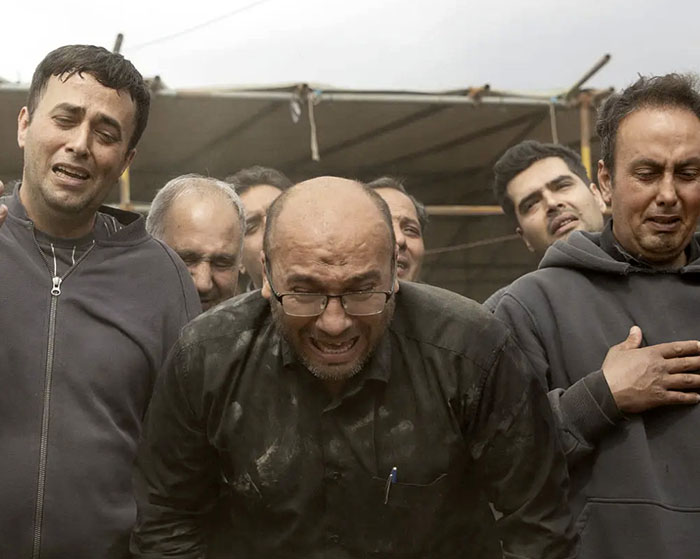
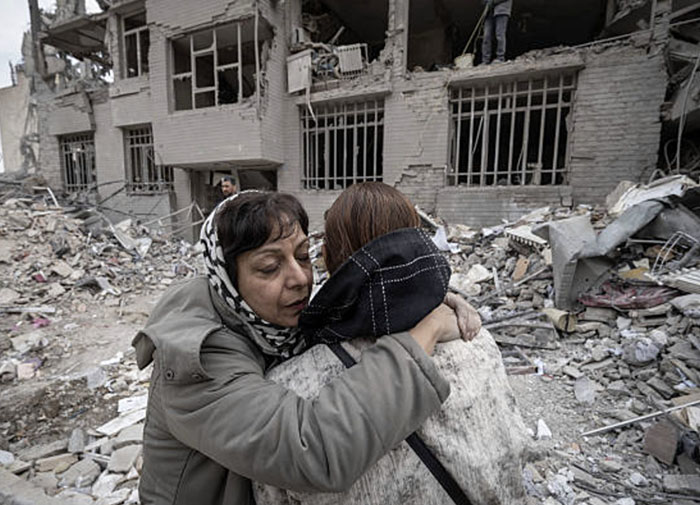
Iraqi Kurds Prepare for War With Iran: Rising Tensions on the Middle East’s Most Volatile Border
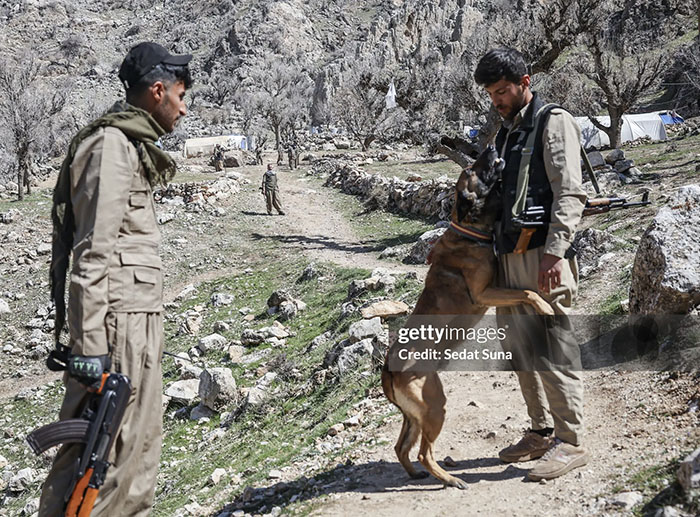
Kurdish Resistance After the 1979 Iranian Revolution
Another major wave of Kurdish unrest occurred following the Iranian Revolution of 1979.
When the monarchy of Shah Mohammad Reza Pahlavi collapsed and the Islamic Republic was established, many Kurdish political groups hoped the new government would grant greater regional autonomy.
However, relations between Kurdish leaders and the new revolutionary government quickly deteriorated.
Kurdish political parties demanded:
-
Regional self-government
-
Cultural rights for Kurdish language and education
-
Greater political representation
The revolutionary leadership rejected these demands, fearing they could lead to separatism and territorial fragmentation.
As tensions escalated, armed conflict erupted between Kurdish groups and Iranian government forces.
Several Kurdish organizations became heavily involved in the conflict, including:
-
The Kurdistan Democratic Party of Iran (KDPI)
-
Komala
-
Various Kurdish leftist movements
The fighting lasted for several years and resulted in thousands of casualties.
Iran eventually regained control over most Kurdish areas, but the conflict left deep political divisions that persist today.