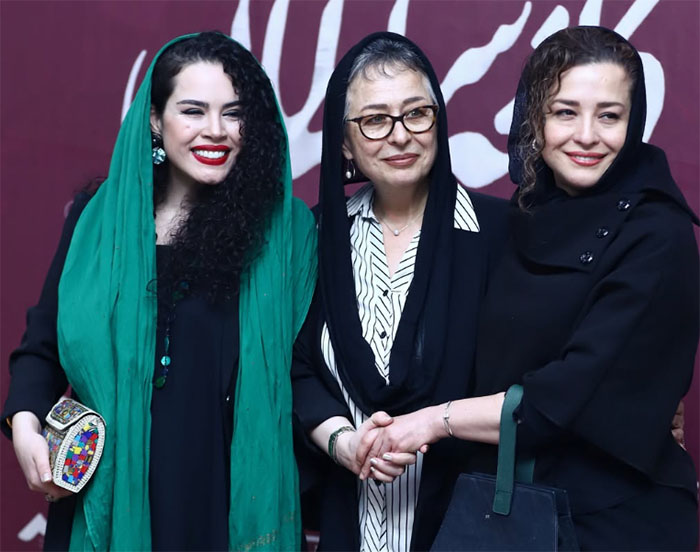
Women Without Hijab: The Propaganda Paradox of Daily Life in Tehran During War
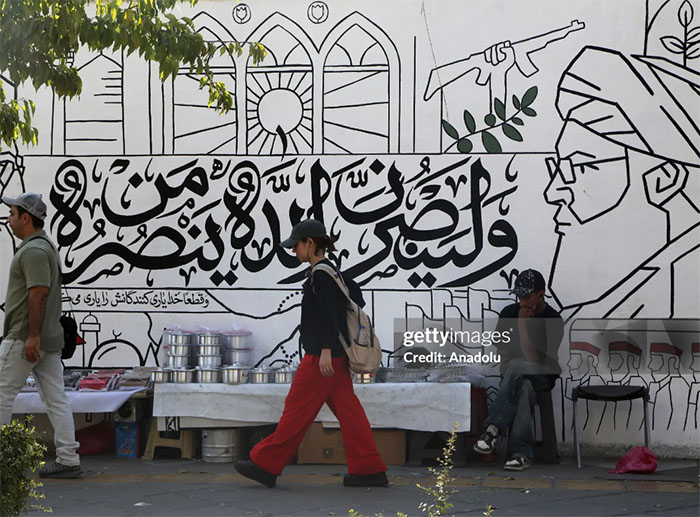
The Economic Dimension of the Propaganda Paradox
The propaganda paradox is not limited to clothing.
It also involves the economy.
Political messaging may emphasize resistance and national strength, while citizens experience inflation, sanctions, currency instability and declining purchasing power.
The result can be a gap between macro-level political narratives and micro-level household realities.
Iranian President Masoud Pezeshkian has described the country as entering a more dangerous phase economically amid pressure following the war.
For ordinary families, however, economic statistics eventually become everyday questions:
How much does food cost?
Can rent be paid?
Is fuel available?
Can a business remain open?
Can imported goods be purchased?
Can a family afford a holiday?
Can young people find employment?
These questions are rarely visible in political slogans.
They are nevertheless central to daily life.
Sanctions and Ordinary Iranian Citizens
US sanctions against Iran have had effects extending beyond government institutions.
Restrictions on financial transactions, international trade and access to certain technologies can affect businesses and consumers.
The political debate surrounding sanctions is highly polarized.
Supporters argue that economic pressure can constrain Iran’s government and its military capabilities.
Critics argue that prolonged economic pressure can place significant burdens on ordinary citizens.
The propaganda paradox emerges again.
The government can frame sanctions as evidence of foreign hostility.
The United States can frame sanctions as an instrument of political pressure.
But an Iranian family experiences the consequences primarily through daily economic decisions.
That lived experience cannot be completely captured by either political narrative.
September 14, 2026 | 6:05 pm