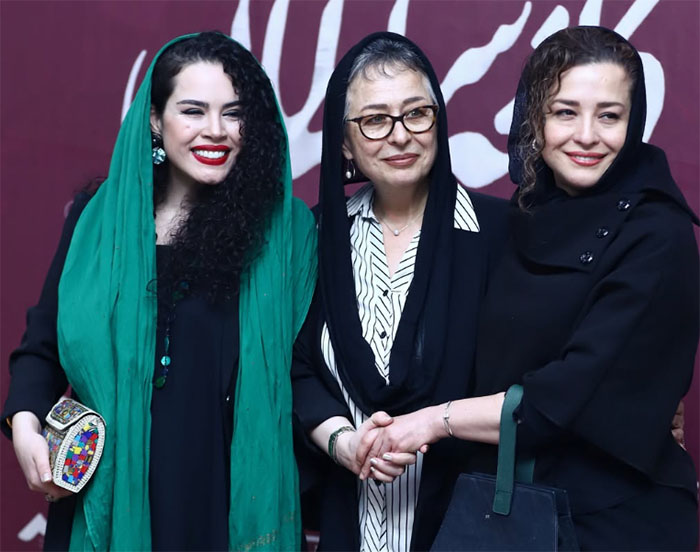
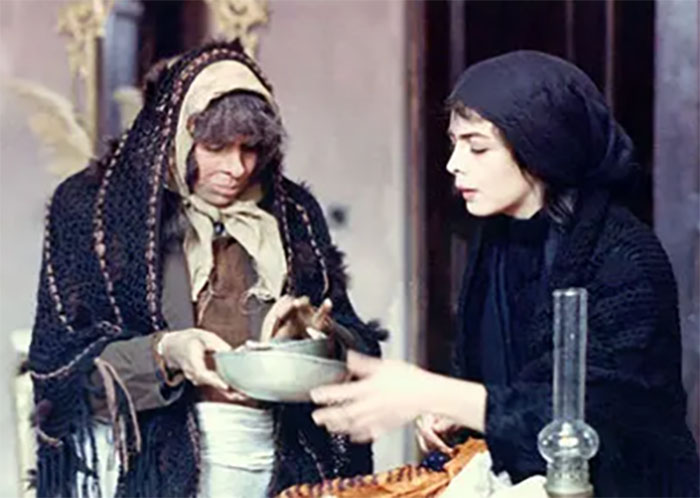
Women Without Hijab: The Propaganda Paradox of Daily Life in Tehran During War
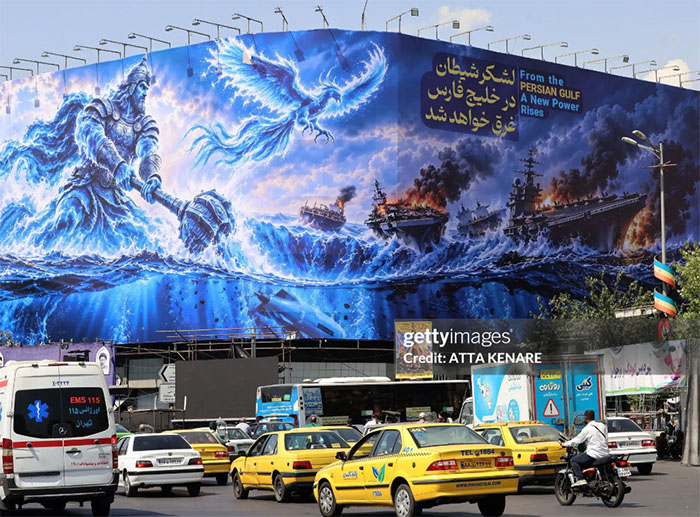
What the Tehran Street Scene Reveals
The photographs described in the September 14, 2026 material offer an unusually complex visual combination.
There are women walking through Tehran.
There are commuters crossing roads.
There are political portraits.
There are Iranian flags.
There are anti-American messages.
There is evidence of continuing urban life.
There is also evidence of a country living under intense geopolitical pressure.
None of these elements exists independently.
Together, they create a snapshot of a society where political conflict and ordinary life coexist.
That coexistence is the heart of the story.
The Image of the “Normal” Iranian Woman
International discussions sometimes search for a single image of an Iranian woman.
Should she be shown wearing a chador?
A hijab?
A headscarf loosely covering her hair?
No headscarf?
Traditional clothing?
Western clothing?
The answer is that Iranian women cannot be represented by one image.
Iranian society contains all of these visual identities.
The attempt to find a single “authentic” Iranian woman creates its own propaganda problem.
The conservative woman can be authentic.
The secular woman can be authentic.
The woman who wears hijab voluntarily can be authentic.
The woman who rejects compulsory hijab can be authentic.
The politically active woman can be authentic.