Women Without Hijab: The Propaganda Paradox of Daily Life in Tehran During War
Why Photographs Matter During War
War changes the meaning of everyday photographs.
When a country is experiencing military confrontation, economic pressure and geopolitical uncertainty, images of ordinary life become important records of social continuity.
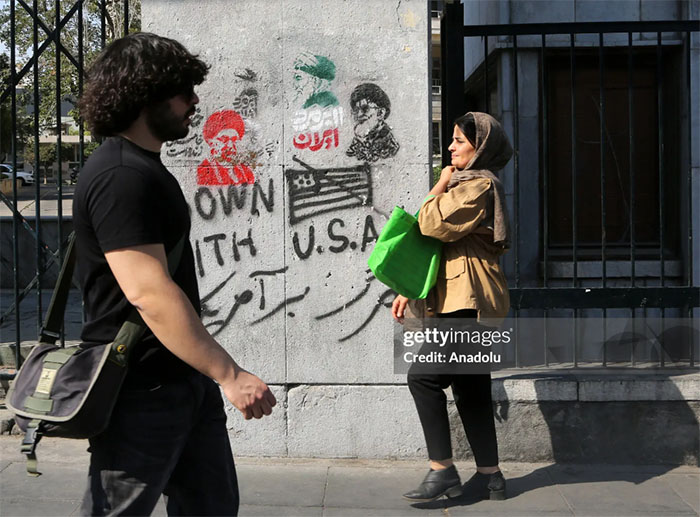
A photograph of a Tehran street can communicate that life has not stopped.
People still commute.
Markets continue operating.
Families still go shopping.
Women continue navigating public spaces.
Children still attend activities where possible.
Businesses attempt to remain open.
This is particularly significant in the context of the Iran-US-Israel conflict.
War coverage frequently focuses on missiles, military facilities, political speeches, explosions and diplomatic confrontations.
Those images are important.
But they represent only one part of society.
The other part is the civilian population attempting to maintain ordinary routines.
Daily Life in Tehran During War
The phrase “daily life in Tehran” can sound almost contradictory during a military crisis.
Yet cities rarely stop functioning completely.
Even under severe political and economic pressure, residents must continue dealing with practical concerns.
People need food.
People need transportation.
People need medicine.
People need employment.
People need communication.
Families need to maintain relationships.
These basic activities create continuity.
That continuity is visible in street photography.
A woman crossing a road may not be thinking about international diplomacy.
A shopkeeper may be concerned about sales rather than foreign policy.
A commuter may be focused on getting home.
A student may be thinking about examinations.
The existence of war does not erase ordinary human priorities.
September 14, 2026 | 6:05 pm