Tehran Without the Filter: Women, Street Life and Social Change
Women, Identity and Everyday Life in Tehran
The story of women in Tehran cannot be understood only through government regulations or international news coverage. Everyday life is considerably more complex.
Women in the capital study at universities, commute to work, meet friends, shop, exercise, visit cafés, attend cultural events and participate in professional life. Their clothing and behavior can vary depending on age, neighborhood, family background, profession and personal preference.
This diversity is particularly visible in photographs of central and northern Tehran.
A woman walking along a busy avenue may dress differently from a woman visiting a religious site. Someone working in an office may follow different expectations from someone spending an evening with friends at a café.
Consequently, life for women in Tehran cannot be reduced to a single image.
Tehran Women and the Question of Freedom
Freedom of dress has become one of the most visible subjects in discussions about Iranian women.
For many observers outside Iran, the hijab is the most recognizable symbol of the country’s restrictions on women. Inside Iran, however, the issue is connected to a much broader set of questions.
These include freedom of expression, personal autonomy, access to public spaces, family relationships, employment opportunities and the role of the state in private life.
For some women, refusing mandatory hijab is a direct statement of independence.
For others, it may be a personal lifestyle choice without an explicitly political intention.
The distinction matters because Iranian society contains many different perspectives.
The Rise of Uncovered Hair in Tehran
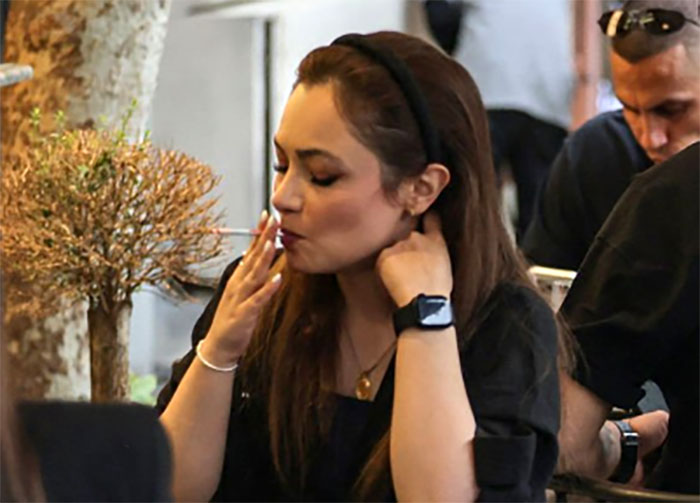
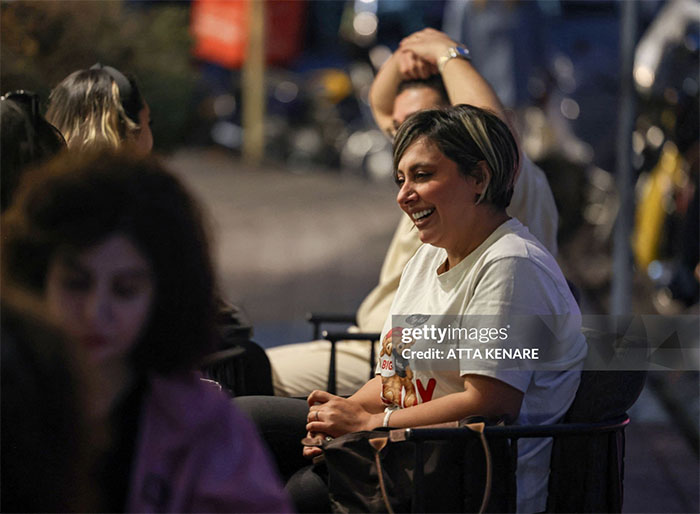
One of the most visible changes in Tehran has been the increasing appearance of women with uncovered hair in certain public environments.
Photographs taken in cafés, shopping districts and streets can show women without the traditional head covering.
The phenomenon became increasingly noticeable following the 2022 protests.
It is sometimes described as “Iran without hijab”, “Tehran without hijab” or “women walking without hijab in Tehran.”
Search interest in these subjects reflects international curiosity about how Iranian society is changing.
Yet the situation remains fluid.
Enforcement can vary, and regulations can change. Women may also face different levels of pressure depending on where they are and what authorities are doing at a particular time.
October 7, 2026 | 8:24 pm