Tehran Without the Filter: Women, Street Life and Social Change
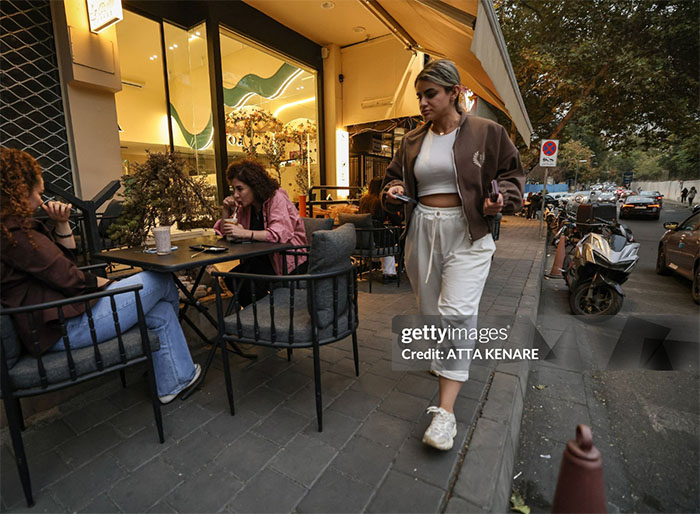
Tehran’s Northern Districts
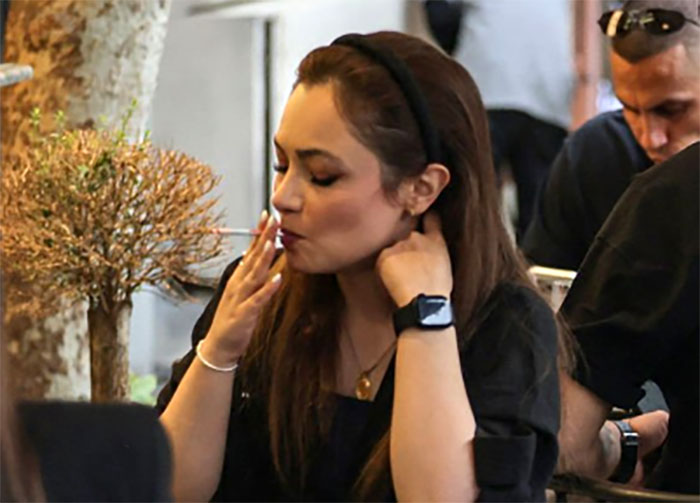
Northern Tehran frequently appears in international photographs of modern Iranian urban life.
The area contains affluent neighborhoods, contemporary restaurants, cafés, luxury stores and modern residential developments.
Districts such as Niavaran, Zafaraniyeh, Elahieh and Tajrish are often associated with a more affluent urban lifestyle.
These areas should not be treated as representative of every part of Tehran.
Economic inequality is substantial, and Tehran’s neighborhoods differ considerably in architecture, income, transportation, public services and social atmosphere.
Nevertheless, northern Tehran has become an important symbol of the city’s contemporary lifestyle.
Traditional Tehran and Modern Tehran
One of Tehran’s defining characteristics is the coexistence of traditional and modern culture.
The Grand Bazaar remains an important commercial and cultural landmark. Historic mosques, shrines and traditional markets coexist with modern offices, cafés and shopping centers.
The city also contains museums, galleries, universities, theaters and cultural institutions.
This mixture makes Tehran difficult to classify as either traditional or modern.
It is both.
A woman wearing a traditional Iranian garment can walk down a street where another woman wears contemporary Western-inspired fashion.
A historic Persian building can stand near a modern tower.
A traditional tea house can exist near a specialty coffee shop.
These contrasts are part of the city’s identity.
October 7, 2026 | 8:24 pm