Tehran Without the Filter: Women, Street Life and Social Change
Tehran in October 2026
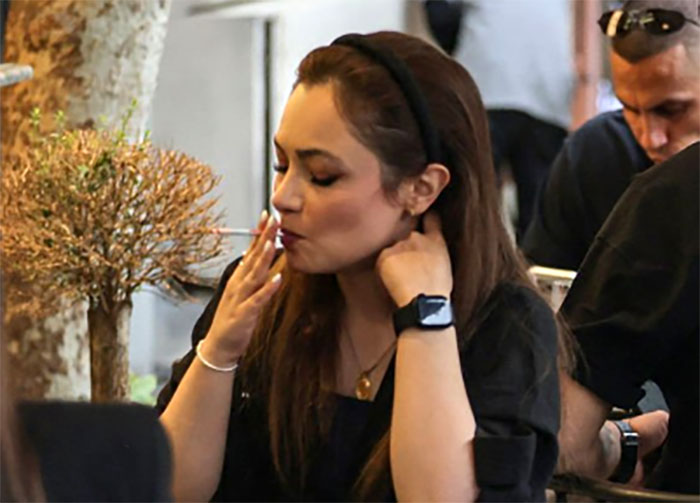
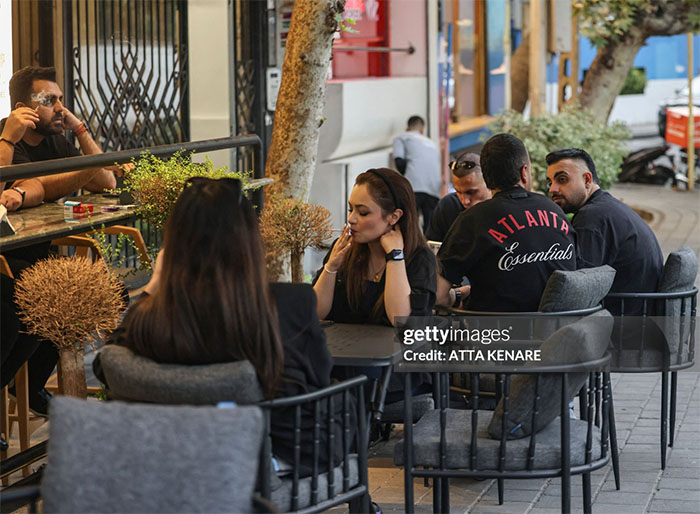
The October 7, 2026 photographs from Tehran provide a contemporary snapshot of everyday life in the Iranian capital. Women are shown walking through public spaces without traditional head coverings, while other scenes show women spending time together at an upscale café.
These images are notable because they capture ordinary urban activity rather than a staged cultural event.
A woman walking down a Tehran street, friends sitting together at a café and people moving through the city can appear entirely routine. Yet in the context of Iran’s dress regulations and the social changes of recent years, such scenes can carry wider significance.
The photographs therefore offer a visual entry point into a much larger discussion about Tehran in 2026, Iranian women, women’s clothing in Iran, Tehran street life and changing social norms.
What the Photographs Show
The photographs accompanying this story show women in Tehran in different everyday environments.
One image shows women walking outdoors without wearing the hijab. Another shows women at an upscale café. Together, the photographs document different aspects of contemporary urban life.
It is important, however, to distinguish between what an image directly shows and what can be inferred from it.
The photographs show clothing and location.
They do not, by themselves, establish the political opinions, religious beliefs or personal motivations of the women depicted.
This distinction is especially important when photographs from Iran are discussed internationally.
Tehran Without a Traditional Head Covering
The visibility of women without traditional head coverings has become increasingly familiar in some parts of Tehran.
For international audiences, this can appear striking because public images of Iran have historically emphasized women wearing the hijab.
Inside Tehran, however, residents experience this changing visual environment directly.
The appearance of uncovered hair in public can reflect changing social expectations, individual decisions or resistance to compulsory dress rules.
The phenomenon is particularly visible among some younger women.