Reza Pahlavi Receives 2026 Freedom Prize in Frankfurt as Thousands of Demonstrate in Germany
The International Significance of the Iranian Diaspora
The Iranian diaspora plays an important role in communicating developments in Iran to international audiences.
Iranian communities established across Europe and North America include academics, entrepreneurs, journalists, students, professionals, political activists and families who have maintained strong connections with their country of origin.
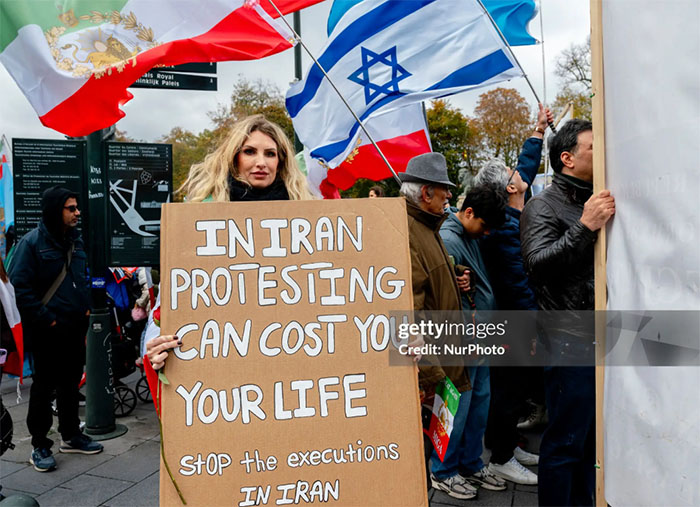
Their political perspectives are diverse, but public demonstrations provide a visible platform for expressing concerns about Iran’s political future.
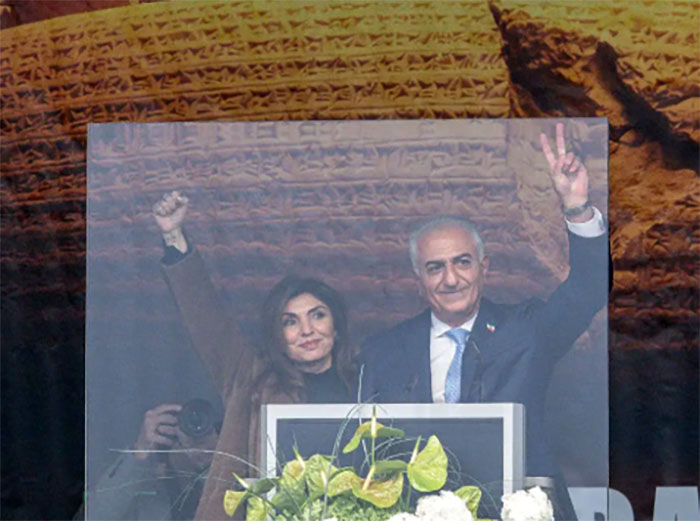
Events such as the Frankfurt Freedom Prize ceremony also demonstrate how diaspora mobilisation can attract international media coverage.
The use of historical Iranian symbols, portraits and political banners helps communicate messages about national identity and political aspirations.
Social media further increases the visibility of these gatherings, allowing photographs and videos to circulate internationally.
However, the size and visibility of demonstrations abroad should not automatically be interpreted as evidence of political consensus inside Iran. The views of people living in the country cannot be reliably established through diaspora gatherings alone.
Any future political transition would ultimately depend on developments inside Iran and the ability of its population to participate freely in determining the country’s political system.
What Does the 2026 Freedom Prize Mean for Iran’s Future?
The 2026 Freedom Prize represents an important symbolic moment for the Iranian opposition and the international recognition of demands for political freedom.
Its significance lies partly in the decision to recognise an entire population rather than an individual political figure.
For supporters of Reza Pahlavi, the Frankfurt ceremony offered an opportunity to demonstrate international visibility and political mobilisation.
For other opposition groups, the event also raised questions about representation, political pluralism and the importance of ensuring that any future government reflects the freely expressed will of Iranian citizens.
The ceremony did not establish a political roadmap for Iran, nor did it determine which political system should replace the Islamic Republic.
Nevertheless, it created a significant international platform for discussing the country’s future.
The historic Paulskirche, the presence of the Iranian diaspora, the demonstrations in Frankfurt and the parallel mobilisation in Brussels all contributed to an event that attracted considerable attention across Europe.
For many participants, the most important message was that the future of Iran should ultimately be decided by its people.
November 7, 2026 | 3:11 pm