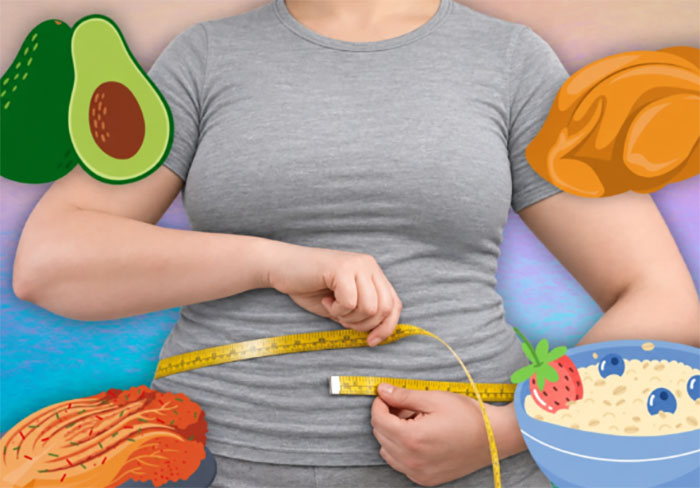
6 Foods That May Act Like Natural GLP-1 Boosters: Foods That Control Appetite and Keep You Full
Weight loss medications such as Ozempic, Wegovy, and other GLP-1-based treatments have changed the conversation around appetite, hunger, and weight management.
These medications work partly by interacting with biological pathways involved in appetite regulation, digestion, insulin secretion, and feelings of fullness. As a result, people taking GLP-1 medications often report that they feel satisfied after eating smaller amounts of food and experience less hunger between meals.
That has naturally led to another question:
Can certain foods increase GLP-1 naturally or produce some of the same appetite-control effects?
The short answer is more complicated than many social-media posts suggest.
There is no food that works exactly like a prescription GLP-1 medication. A bowl of oatmeal, an avocado, or a serving of yogurt does not contain a pharmaceutical dose of semaglutide or another GLP-1 receptor agonist.
However, food can influence many of the same physiological systems involved in appetite regulation.
Protein can stimulate hormones associated with satiety. Fiber can slow digestion and increase fullness. Certain fats can influence appetite hormones. Fermented foods can interact with the gut microbiome, which may affect the production of metabolites involved in appetite regulation.
This is why terms such as “natural Ozempic foods,” “GLP-1 foods,” “Ozempic foods,” and “Nozempic” have become popular online.
The more accurate way to describe these foods is not that they replace Ozempic, but that they may support natural satiety and appetite regulation.
Here are six food categories that can be particularly useful.
- Protein-rich foods
- High-fiber foods
- Oats and beta-glucan-rich foods
- Nuts and seeds
- Avocados and other sources of healthy fats
- Fermented foods
Let’s look at how each category may affect hunger, fullness, digestion, and weight management.
1. Protein-Rich Foods: One of the Best Natural Appetite-Control Strategies
If the goal is to stay full after eating, protein deserves a central place in the diet.
Protein is particularly useful because it tends to be highly satiating.
A meal containing sufficient protein can help people feel satisfied for longer compared with a meal containing mostly rapidly digested carbohydrates.
This is one reason high-protein diets frequently appear in discussions about weight loss.
Why Does Protein Make You Feel Full?
Protein interacts with several physiological mechanisms involved in appetite regulation.
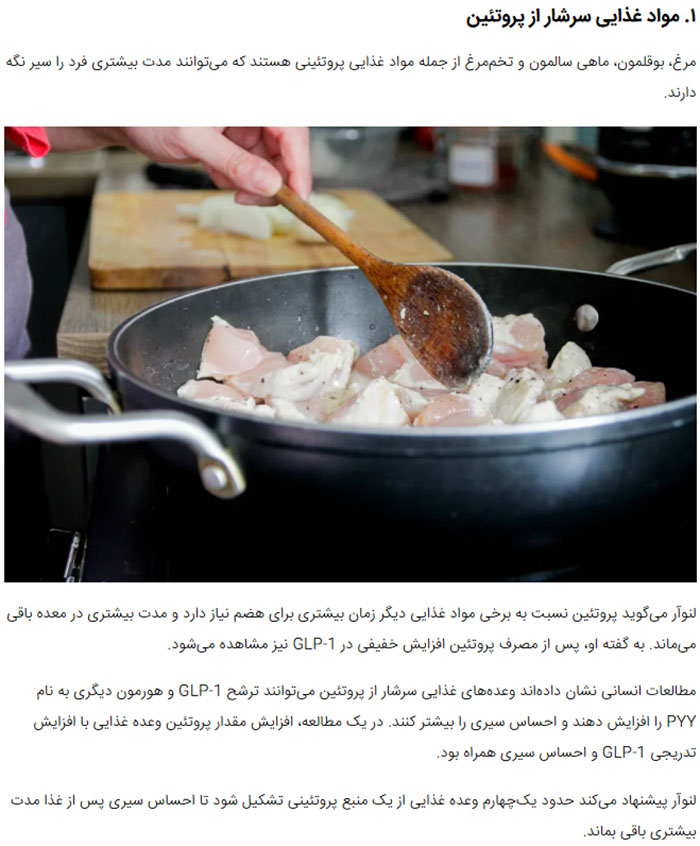
Protein digestion stimulates the release of gastrointestinal hormones associated with satiety, including GLP-1 and peptide YY, often abbreviated as PYY.
These hormones participate in communication between the digestive system and the brain.
Protein also generally requires more digestive processing than carbohydrates and can contribute to a prolonged feeling of satisfaction after eating.
This does not mean protein is literally sitting in the stomach for hours. Rather, protein-rich meals can influence digestion, hormone signaling, and appetite in ways that support longer-lasting satiety.