Reza Pahlavi Receives 2026 Freedom Prize in Frankfurt as Thousands of Demonstrate in Germany
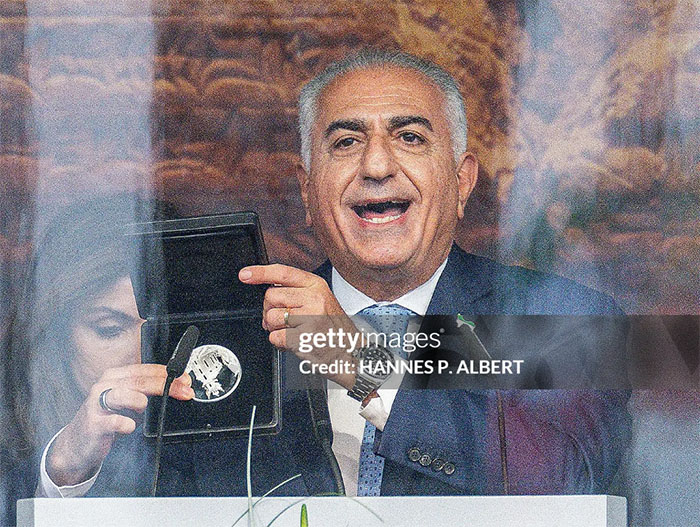
Friedrich Naumann Foundation Awards Freedom Prize 2026 to the Iranian People
The 2026 Freedom Prize ceremony took place on November 7 at Frankfurt’s historic Paulskirche, a building with considerable importance in German democratic history.
The Friedrich Naumann Foundation for Freedom announced in September that it would dedicate its 2026 award to the Iranian people and their struggle for freedom, civil rights and democracy.
Rather than recognising an individual as the sole recipient, the foundation chose to honour an entire population. Reza Pahlavi was selected to receive the award in a fiduciary capacity until freely elected representatives of Iran could accept it directly.
The foundation has presented its Freedom Prize every two years since 2006. The distinction recognises outstanding contributions to liberal civil society and the promotion of democratic values.
Friedrich Naumann Foundation+1
The choice of Frankfurt’s Paulskirche added historical significance to the ceremony. In 1848, the church hosted the first elected German national assembly, where representatives debated national unity, constitutional government and democratic principles.
The location therefore provided a symbolic setting for an award dedicated to the aspirations of the Iranian people.
For many attendees, the ceremony represented more than a formal political recognition. It offered an opportunity to bring international attention to the Iranian opposition movement and the demands of people seeking political reform and fundamental freedoms.
Reza Pahlavi’s Arrival in Frankfurt Draws International Attention
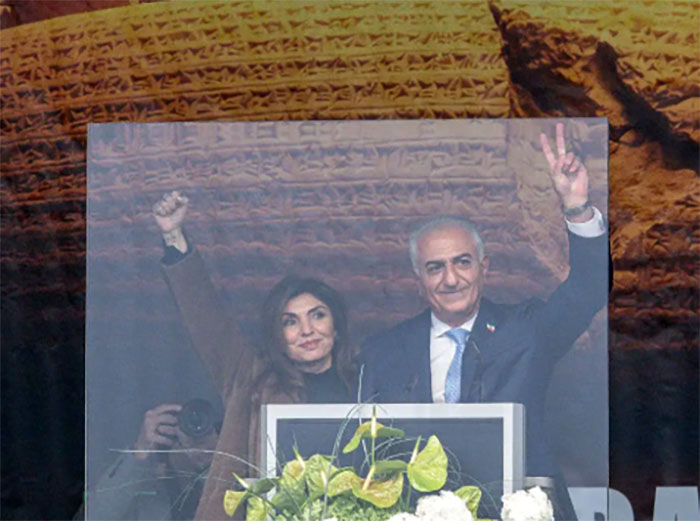
Reza Pahlavi’s arrival at St. Paul’s Church became one of the central moments of the November 7 gathering.
The exiled Crown Prince, who is the son of Mohammad Reza Pahlavi, Iran’s last monarch, was welcomed by supporters who had travelled from different parts of Germany and other European countries.
His appearance generated considerable enthusiasm among sections of the Iranian diaspora. Supporters held Iranian national flags bearing the Lion and Sun emblem, while others carried photographs and banners celebrating his participation in the ceremony.
The atmosphere outside the church reflected the emotional importance of the occasion for many Iranian expatriates. For individuals who have spent decades outside their homeland, the political situation in Iran remains closely connected to questions of national identity, historical memory and the possibility of returning to a country governed through democratic institutions.
Pahlavi’s presence in Frankfurt also attracted international media coverage because of his position as one of the most recognisable figures associated with the Iranian opposition abroad.
His political role, however, remains a subject of debate. While supporters regard him as a potential figure for national unity and political transition, critics question the restoration of monarchical symbolism and emphasise that Iran’s future political system should be determined exclusively through a democratic process.
This disagreement was also visible during the demonstrations surrounding the award ceremony.
November 7, 2026 | 3:11 pm