The Odd Faces of Children in the Blackened Faces Ta’ziyyah Ceremony: A Tradition of Nosh Abad, Kashan
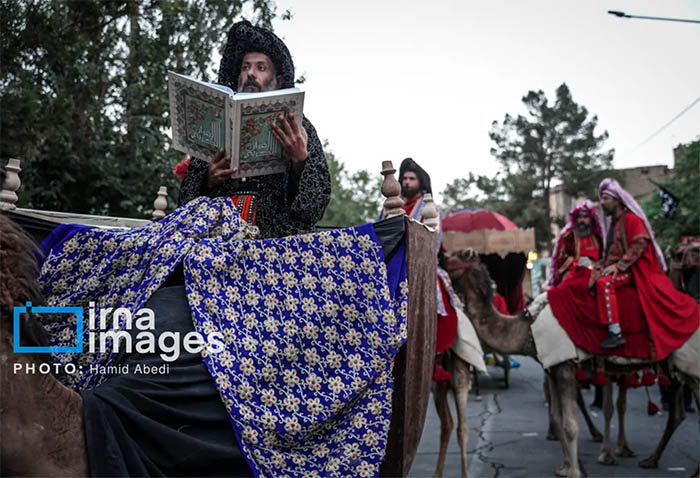
The popularity of these images online has increased interest in topics such as “black faced children Ta’ziyyah,” “Nosh Abad Kashan Muharram ceremony,” “Iranian Ashura traditions,” “Karbala mourning rituals,” and “traditional Iranian religious theater.” These search terms reflect global curiosity about a ceremony that combines history, faith, art, and community participation.
The strange and emotional appearance of the children with blackened faces reminds viewers that traditions often communicate through symbols. A painted face, a traditional costume, or a silent expression can carry centuries of meaning. In the case of Nosh Abad’s Ta’ziyyah, these children become a bridge between the past and the present, allowing an ancient story to continue through new generations.
The images from this ceremony are powerful because they show more than a religious gathering. They show human emotion, cultural identity, and the ability of traditional rituals to preserve memory. The children’s unusual faces are not merely an interesting visual feature; they represent the continuation of a living tradition and the emotional connection between people and history.
As the world becomes increasingly connected through photography and digital media, ceremonies like the Nosh Abad Ta’ziyyah provide a window into cultures that are often unfamiliar to international audiences. The blackened faces of these children have become one of the most memorable symbols of this tradition, capturing the attention of viewers who seek to understand the deeper meaning behind the images.
June 24, 2026 | 8:46 pm