The Odd Faces of Children in the Blackened Faces Ta’ziyyah Ceremony: A Tradition of Nosh Abad, Kashan
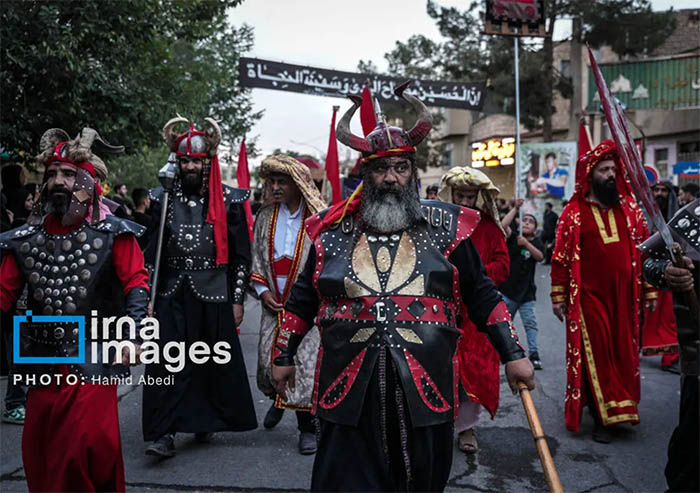
For people unfamiliar with Iranian religious traditions, these images can appear mysterious. The combination of young children, dark facial paint, historical clothing, and a large mourning procession creates a scene that feels almost like a painting from another time. This is one reason why images from the Nosh Abad ceremony frequently attract attention in cultural photography and social media.
The children who participate in Ta’ziyyah are not simply actors in a performance. They are part of a cultural tradition passed down from one generation to another. Their involvement helps preserve the memory of the ceremony and ensures that younger generations remain connected with their cultural and religious heritage. Through participation, they learn the stories, customs, and values associated with the ritual.
The emotional power of the children’s faces comes from their expressions. Unlike modern performances where actors may use dramatic exaggeration, many Ta’ziyyah participants create emotion through simplicity and silence. A child standing quietly with a blackened face can communicate sadness, remembrance, and reflection more strongly than a long speech.
Nosh Abad, located near Kashan, has become widely recognized for preserving traditional Iranian rituals. The city’s Muharram ceremonies attract visitors who want to experience an authentic example of Iranian cultural heritage. The Karbala Caravan Entrance Ceremony represents not only a religious event but also an important example of traditional performance art.
June 24, 2026 | 8:46 pm