The Odd Faces of Children in the Blackened Faces Ta’ziyyah Ceremony: A Tradition of Nosh Abad, Kashan
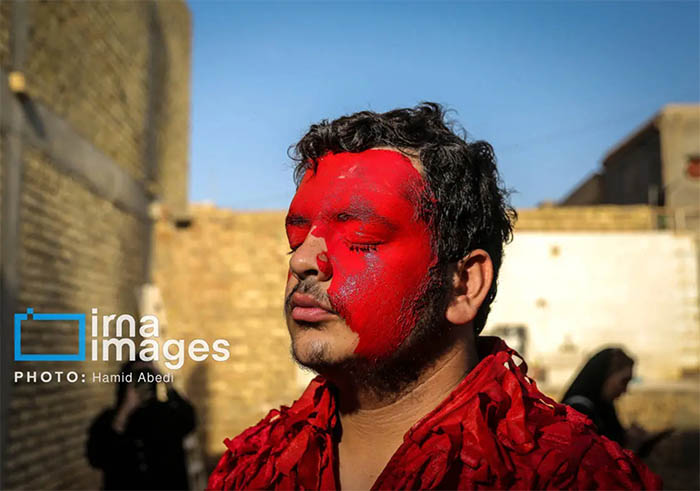
The Role of Muharram Ceremonies in Preserving Cultural Memory
Muharram is one of the most important months in the Islamic calendar for Shia Muslims, particularly because of the remembrance of the events of Karbala. Throughout Iran and other parts of the world, communities hold mourning ceremonies, processions, and religious performances to honor this historical event.
The Ta’ziyyah tradition developed as a way to tell the story of Karbala through dramatic performance. Over centuries, it became a unique form of Iranian cultural expression. It combines religious remembrance with artistic elements such as acting, poetry, music, and visual storytelling.
The Nosh Abad ceremony is especially significant because it maintains many traditional features. Instead of being limited to a theater building, the performance takes place in public spaces where the entire community becomes involved. People gather not only to watch but also to participate emotionally.
The children involved in these ceremonies become part of this collective memory. Their participation demonstrates how cultural traditions are transferred from older generations to younger ones. A child wearing traditional clothing and appearing in the ceremony becomes part of a larger historical narrative.
The blackened faces symbolize the emotional atmosphere of mourning, but they also represent the importance of remembering. In many traditions, remembrance is considered a way of keeping history alive. Through ceremonies like Ta’ziyyah, stories are not only told but experienced.
June 24, 2026 | 8:46 pm