The Odd Faces of Children in the Blackened Faces Ta’ziyyah Ceremony: A Tradition of Nosh Abad, Kashan
Why These Children Capture Global Attention
The images of children with blackened faces during the Nosh Abad Ta’ziyyah ceremony have become some of the most memorable photographs connected with Iranian Muharram traditions. Their appearance creates a powerful visual contrast that immediately attracts attention. The innocence of childhood combined with the serious atmosphere of a mourning ritual creates a scene filled with emotion, symbolism, and cultural meaning.
Many visitors who see the ceremony for the first time are surprised by the unusual appearance of the children. Their faces are painted dark, their expressions are often serious, and their clothing connects them with a historical world that existed centuries ago. This combination makes the children appear almost like characters from an ancient story brought into the present day.
The fascination surrounding these images is not only because of the unusual makeup. The deeper reason is the emotional story that the faces communicate. The children represent a connection between the past and the future. They are young participants carrying the memory of one of the most important historical and religious narratives in Shia culture. Their presence shows how traditions survive through generations.
In cultural photography, powerful images often come from moments where different emotions meet. The children of Nosh Abad represent such a moment. Their young age suggests innocence, while their blackened faces suggest mourning and historical pain. This emotional contrast makes the photographs meaningful far beyond the ceremony itself.
Photographers who document Muharram ceremonies often search for authentic moments that reveal human emotions. The faces of these children provide exactly that. A single image can show sadness, tradition, devotion, and community identity. This is why photographs from the Nosh Abad Ta’ziyyah ceremony frequently appear in collections about Iranian culture, religious festivals, and traditional performances.
The blackened faces also reflect the theatrical nature of Ta’ziyyah. Unlike modern stage performances that rely heavily on technology and special effects, Ta’ziyyah uses simple but meaningful elements. A costume, a voice, a movement, or a painted face can communicate an entire character and emotion.
The use of symbolic appearance has always been important in traditional theater. Across different cultures, performers have used colors and costumes to help audiences understand the meaning of a scene. In Ta’ziyyah, these visual signs help separate characters, express emotions, and create a connection between the performer and the audience.
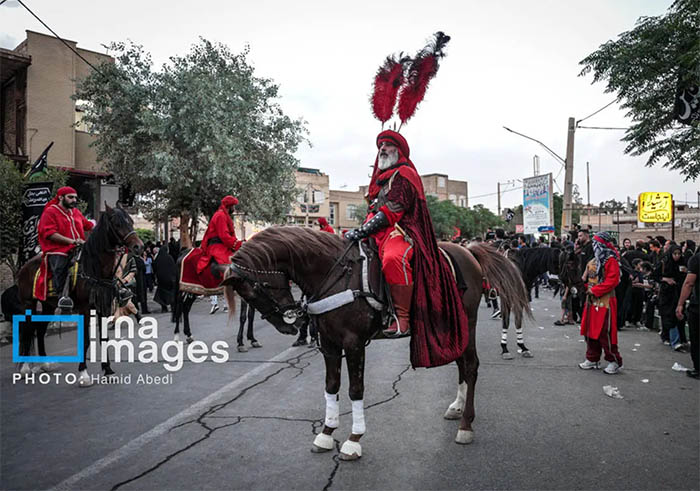
The children’s faces are especially powerful because they do not look like ordinary theatrical makeup. They appear connected to a real community event rather than a staged performance. The streets, the crowd, the traditional clothing, and the emotional reactions of participants all contribute to the feeling that history is being remembered in real time.