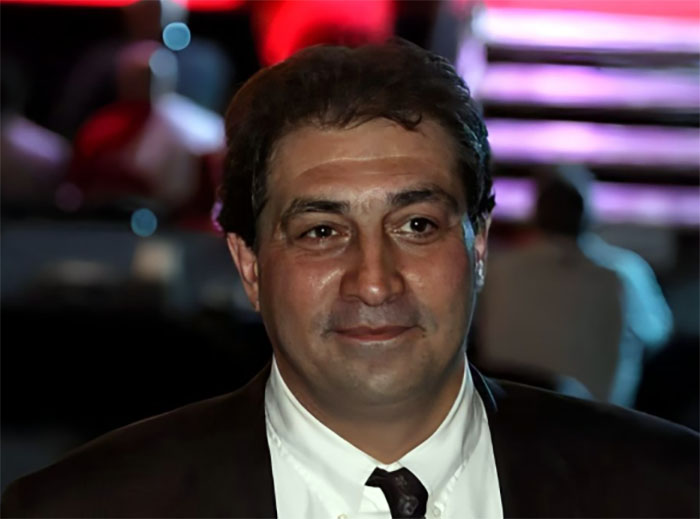
Binesh Bolor “Qaisar,” Identity, and Daily Life in Markets Amid War Tensions
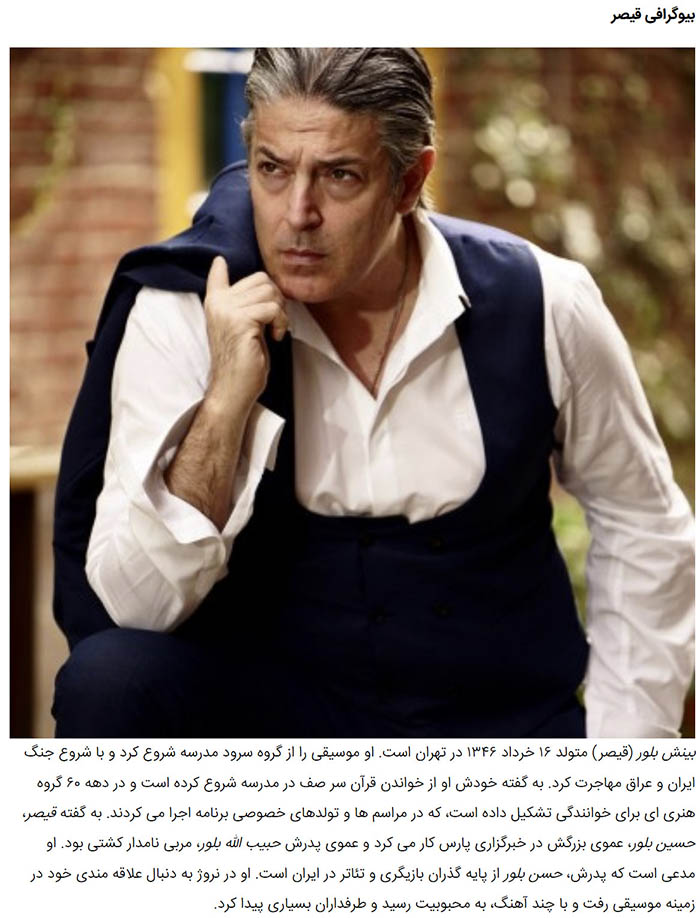
“I Am Not a Politician”: Art in a Political World
Qaisar has consistently emphasized that he is not involved in politics. “I am just a pop singer,” he says. Yet his statements on sanctions and international relations reveal a broader awareness.
He has spoken about historical sanctions on Iran, referencing the era of Mohammad Mossadegh and suggesting that external pressure on Iran is nothing new.
His views reflect a sentiment shared by many Iranians: a desire for strength, stability, and independence.
Even those who avoid politics cannot escape its effects. In markets, cafés, and homes, global decisions become personal realities.
Community, Resilience, and Shared Experience
One of the most striking aspects of life in Tehran today is the role of community.
People talk more. They check in on each other. They share information and support. In uncertain times, these connections become essential.
Markets are not just places to buy food—they are places to connect. Cafés are not just for relaxation—they are spaces for conversation and emotional release.
This collective resilience is a defining feature of Iranian society.
Qaisar’s Views on Security and Regional Conflict
Qaisar has also expressed opinions on regional conflicts, including the role of Iranian forces abroad. Referring to the “Defenders of the Holy Shrine,” he framed their actions as a form of national defense.
He even quoted Napoleon Bonaparte: “Never fight in your bedroom,” suggesting that conflicts should be addressed before reaching domestic territory.
These views, whether agreed upon or not, highlight the interconnectedness of regional politics and national identity.
Living Between Two Realities
For Qaisar, life is divided between Norway, Los Angeles, and Iran. For many Iranians, life is divided in a different way—between normalcy and uncertainty.
This duality defines the current moment:
People continue their routines
But remain alert to change
They plan for the future
But prepare for disruption
In markets, this duality is especially visible. A shopper may carefully select fruit while simultaneously discussing geopolitical developments.
The Emotional Landscape of a Ceasefire
A ceasefire is not peace. It is a pause filled with anticipation.
In Tehran, this anticipation shapes behavior. People are not panicking, but they are not fully relaxed either. They are living in what might be called a “temporary present”—a moment that feels both stable and fragile.
For artists like Qaisar, this environment influences creativity. Music becomes a way to process uncertainty, express identity, and maintain connection.
Conclusion: Homeland, Identity, and Everyday Life
The story of Binesh Bolor is not just about a singer traveling between countries. It is about identity, belonging, and the meaning of home.
In Tehran’s markets, cafés, and streets, these themes come to life. People continue to live, work, and connect—even as uncertainty looms.
The ceasefire may end. Tensions may rise or fall. But the core of daily life remains resilient.
Markets will open. Music will play. Conversations will continue.
And for many Iranians—at home or abroad—the connection to their homeland will endure, no matter the circumstances.