Binesh Bolor “Qaisar,” Identity, and Daily Life in Markets Amid War Tensions
In April 2026, life in Tehran unfolds in a delicate balance between normal routine and geopolitical anxiety. As tensions involving Iran, Israel, and the United States continue under a fragile ceasefire, the most revealing stories are not always found in political statements—but in markets, cafés, and conversations.
Northern Tehran’s fruit and vegetable markets are especially telling. These spaces are not only economic hubs but also emotional barometers. Here, daily life continues: people inspect tomatoes, compare prices, and negotiate over herbs. Yet beneath these ordinary actions lies a persistent question—what happens next?
This sense of uncertainty defines the Iranian experience today. It is not panic, nor is it denial. It is something more complex: a lived tension between stability and unpredictability.
Binesh Bolor “Qaisar”: A Voice Between Two Worlds
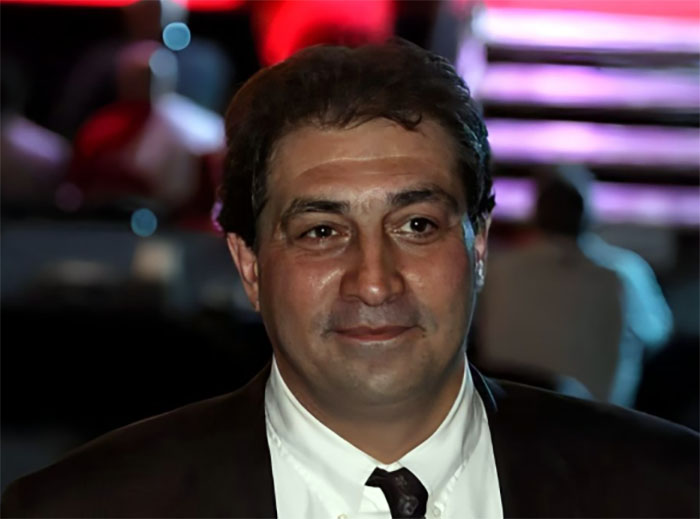
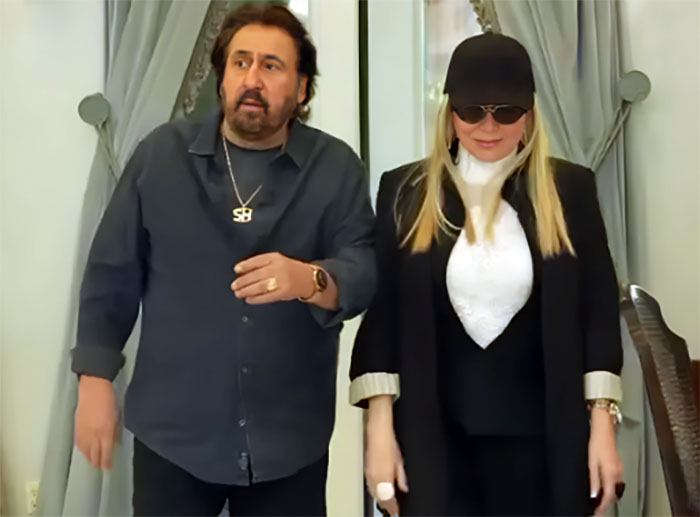
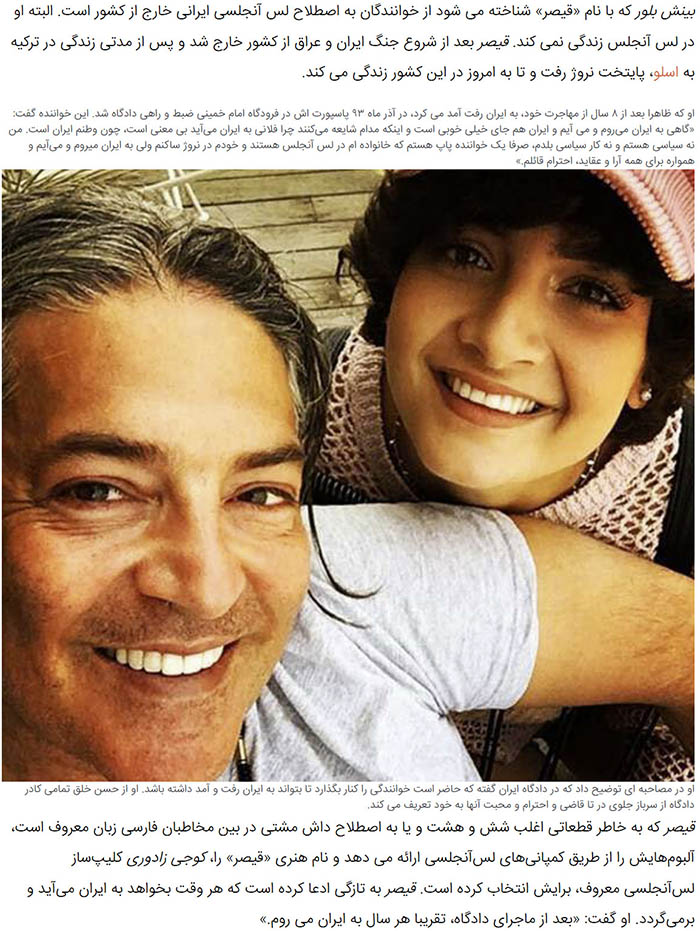
At the heart of this cultural landscape stands Binesh Bolor, widely recognized by his stage name “Qaisar.” His story reflects a broader narrative shared by many Iranians living abroad—one of migration, identity, and an enduring connection to homeland.
Born in 1967 in Tehran, Qaisar’s early life was shaped by music, family, and tradition. However, the outbreak of the Iran-Iraq War forced a turning point. Like many others, he left Iran, first moving to Turkey and eventually settling in Oslo, the capital of Norway.
Despite decades abroad, Qaisar’s connection to Iran never faded. His music, often described as “six-eighth” or dash-mashti style, resonates deeply with Persian-speaking audiences. His songs evoke nostalgia, street culture, and emotional intensity—elements that reflect everyday Iranian life.
April 21, 2026 | 6:52 pm