Binesh Bolor “Qaisar,” Identity, and Daily Life in Markets Amid War Tensions
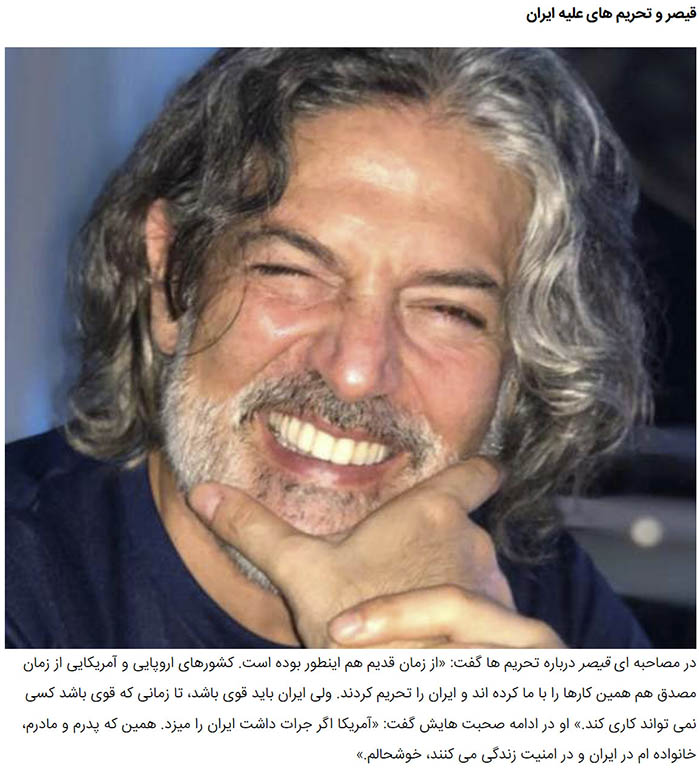
The Los Angeles Iranian Music Scene and Cultural Identity
Although often associated with the so-called “Los Angeles Iranian singers,” Qaisar does not actually reside in Los Angeles. Still, his music is distributed through companies based there, linking him to a broader diaspora music industry.
This “Tehrangeles” scene has long served as a cultural bridge for Iranians abroad. It preserves language, music, and identity, even as artists live far from home. Qaisar’s work fits squarely within this tradition, blending nostalgia with modern influences.
Yet unlike many diaspora artists, Qaisar frequently returns to Iran—a decision that has drawn both attention and controversy.
Returning Home: Travel, Court Cases, and Controversy
Qaisar’s relationship with Iran is not merely symbolic—it is physical and ongoing. He has repeatedly traveled back to his homeland, despite legal and political complications.
In December 2014, upon arrival at Imam Khomeini International Airport, his passport was confiscated, and he was summoned to court. The incident highlights the complexities faced by artists navigating between Iran and the diaspora.
Yet Qaisar’s response was striking. He emphasized respect, not resistance. He described the court staff—from guards to judges—as respectful and kind. He even stated that he was willing to stop singing if it meant being able to return to Iran freely.
His words reflect a key theme: identity over profession.
“Iran is my homeland,” he has said repeatedly. “I go to Iran every year.”