Who Is Babak Takhti? Gholamreza Takhti’s Only Son, His Family, Career, and His Father’s Controversial Death
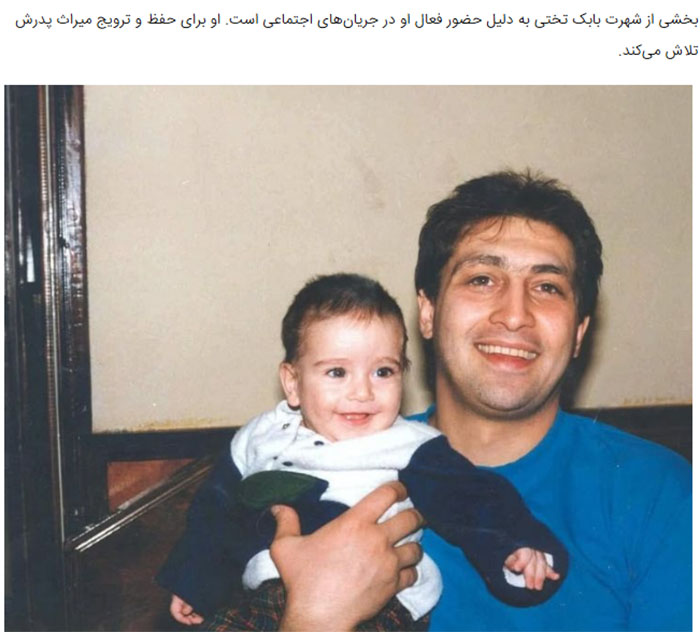
Babak Takhti’s Defense of His Mother
In his account, Babak argues that his mother should not be reduced to a character in stories about his father’s death. He criticizes commentators who use allegations about her private life to explain Takhti’s suicide.
He also emphasizes that Shahla Tavakoli was a young woman whose life was profoundly affected by the death of her husband. In the quoted interview, he describes the consequences of allowing public speculation to define her identity for decades.
The point of his criticism is broader than defending a family member. Babak argues that sensational stories can damage the historical legacy of the person they claim to honor.
If Takhti is remembered as a figure of dignity and moral responsibility, then portraying his death through unverified accusations about his wife may distort rather than preserve that legacy.
His comments also raise questions about gender and public scrutiny. Widows of famous men can find themselves judged according to narratives that treat their personal lives as public property. In this case, Babak argues that the attention paid to his mother’s marriage has often gone beyond what the available evidence can support.
A responsible account should therefore recognize Shahla Tavakoli’s place in the family history without presenting disputed accusations as established fact.
Did Differences Between Gholamreza Takhti and Shahla Tavakoli Cause His Death?
This question has appeared in discussions of Takhti’s final days, but the existence of differences between spouses does not establish a cause of death.
According to Babak’s reported remarks, his parents came from different social backgrounds and had differences in age and outlook. He considers such disagreements normal in a marriage and disputes the claim that they were sufficient to explain the tragedy.
He recalls one example involving cinema attendance during the monarchy. According to his account, Takhti objected to being inside a theater when the imperial anthem played because the audience was expected to stand. Shahla reportedly suggested entering the theater without standing, which caused disagreement between them.
The anecdote illustrates a difference in political conviction and personal conduct. It does not, by itself, establish the state of the marriage as a whole or explain Takhti’s death.
Babak’s broader argument is that a complex historical event should not be reduced to gossip about domestic life. His father’s political commitments, personal beliefs, public pressures and psychological state cannot be reconstructed reliably through one anecdote or one person’s speculation.
The distinction is essential for readers seeking an accurate account of the Takhti family. It is possible to acknowledge that a marriage had difficulties while rejecting unsupported conclusions about the consequences of those difficulties.
October 18, 2026 | 7:57 pm