Who Is Babak Takhti? Gholamreza Takhti’s Only Son, His Family, Career, and His Father’s Controversial Death
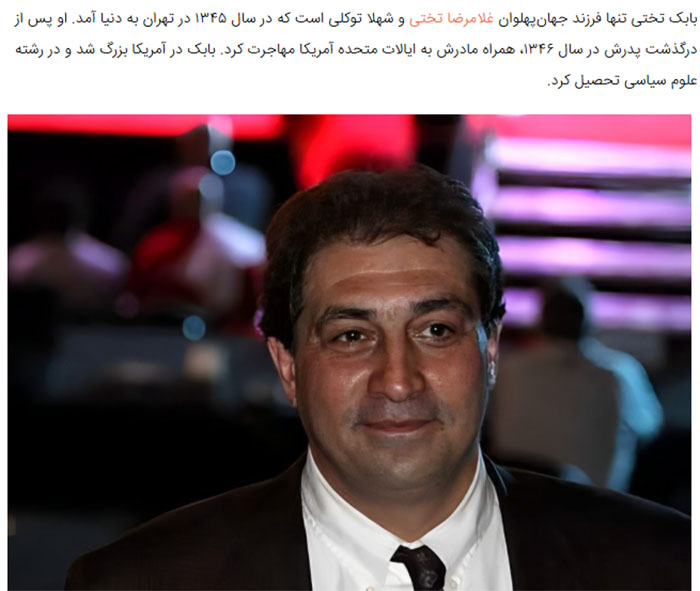
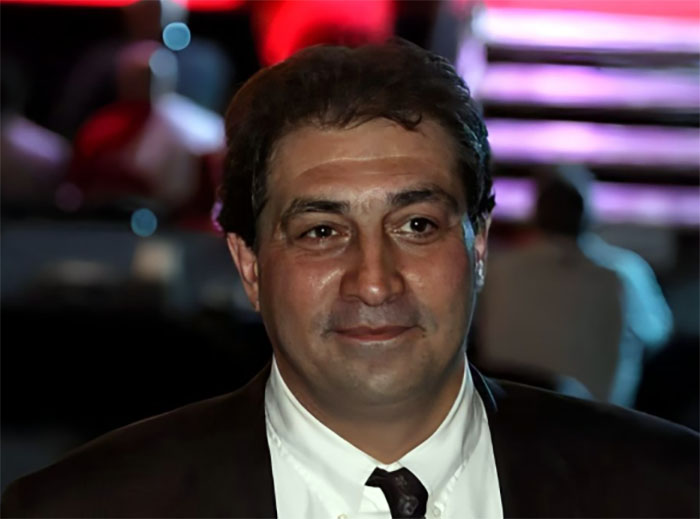
Babak Takhti is an Iranian writer, publisher and the only son of Gholamreza Takhti, the legendary Iranian freestyle wrestler widely remembered as Jahan Pahlavan, or the Champion of the World. His father became one of the most admired figures in Iranian sports history, not only because of his Olympic and world championship achievements but also because of his reputation for generosity, humility, sportsmanship and solidarity with ordinary people.
Although Babak Takhti inherited a name closely associated with Iranian national identity and sporting achievement, he followed a different professional path. Rather than building his public identity around competitive wrestling, he pursued intellectual and literary work, studying political science and becoming involved in writing and publishing.
Babak Takhti is also known for his book Dar Jostoju-ye Pedar, translated as In Search of a Father, in which he examines the life, public image and legacy of his famous father. The book reflects a deeply personal question: how can a son understand a parent who became a national legend before the son was old enough to remember him?
Over the decades, Babak Takhti has spoken about the stories surrounding his father’s death. In the interview described in the source material for this article, he challenges the claim that his father was murdered by SAVAK, criticizes sensationalist reporting about his parents’ marriage and argues that his father’s political commitments and relationship with ordinary Iranians must be considered when interpreting his life.
His account does not eliminate every historical uncertainty. Instead, it provides the perspective of a family member who has spent much of his life confronting the consequences of his father’s fame.
The story of Babak Takhti is therefore about more than the biography of a celebrated athlete’s son. It concerns family memory, Iranian literature, political history, the construction of national heroes and the difficulty of separating documented events from stories that grow around a public figure after death.
Babak Takhti Biography: Early Life and Childhood
Babak Takhti was born in Tehran in 1967, according to biographical accounts that place his birth in the months before his father’s death. His parents were Gholamreza Takhti and Shahla Tavakoli, who married in November 1966.
The timing of Babak’s birth shaped the course of his childhood. Gholamreza Takhti died on January 7, 1968, when his son was still a baby. Babak therefore grew up without personal memories of his father as a living parent. Much of what he came to know about Gholamreza Takhti necessarily came through photographs, family recollections, historical records, published accounts and the stories told by people who had known the wrestler.
For most children, a parent’s identity is developed through everyday experience. They remember conversations, habits, disagreements, affection and shared experiences. Babak Takhti faced a different situation: his father’s private identity was inseparable from an enormous public reputation.
Across Iran, Gholamreza Takhti was remembered as an Olympic champion and a symbol of moral conduct. His admirers associated him with javanmardi, a traditional ideal of courage, fairness, generosity and honorable behavior. His fame meant that Babak encountered his father not only as a family member but also as a historical figure whose image belonged to millions of people.
This creates an unusual challenge for anyone trying to understand a deceased parent. The public may believe that it already knows the person through sporting achievements, newspaper articles, political associations and popular stories. The family, however, may have access to different memories and may feel that public narratives overlook important personal details.
Babak’s later interest in his father’s life can be understood within this context. His book In Search of a Father suggests an effort to investigate the person behind the national image rather than simply repeat familiar stories about the wrestler.
October 18, 2026 | 7:57 pm