Who Is Babak Takhti? Gholamreza Takhti’s Only Son, His Family, Career, and His Father’s Controversial Death
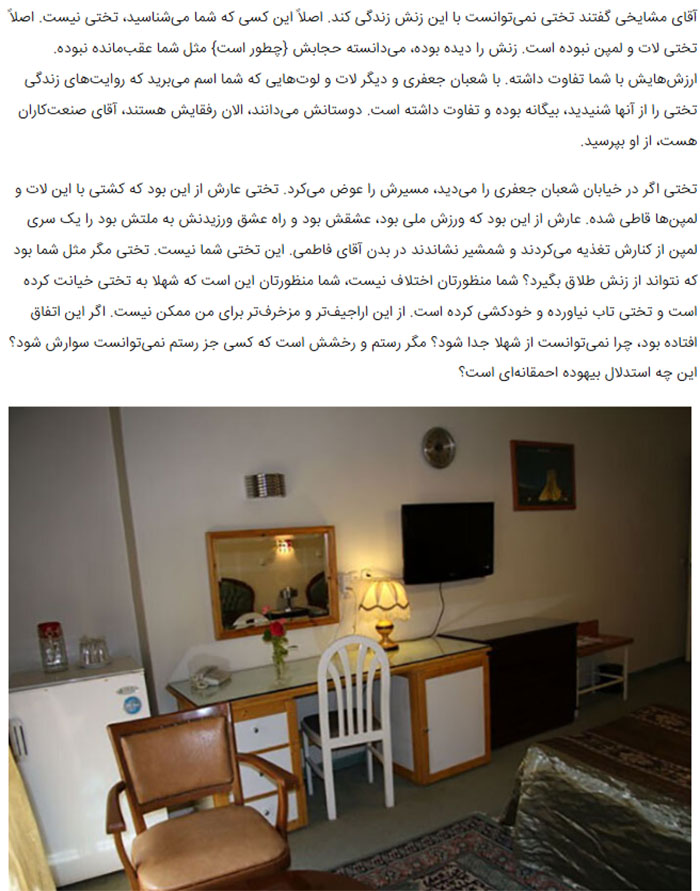
Babak Takhti’s Visit to the Atlantic Hotel
The Atlantic Hotel became an important location in the controversy because it was where Takhti’s body was found.
In Babak’s account, the hotel visit was an attempt to test a narrative he had previously accepted. He recalls that the manager spoke to him in familiar, emotional terms and challenged the long period during which Babak had not visited him.
The meeting forced Babak to confront the difference between a public accusation and the account of a person who had been accused.
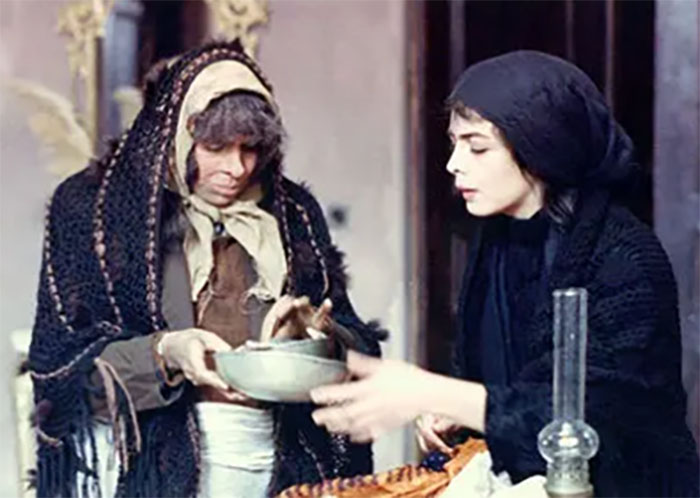
He describes having believed that the hotel was a SAVAK safe house, partly because that image had appeared in an early film about Takhti. His later conversation with the manager led him to reconsider the story.
The episode illustrates how cultural representations can influence historical beliefs. A film can give a theory emotional power and visual credibility even when it is not intended to function as a definitive historical record.
When a dramatic portrayal becomes the dominant public image of an event, audiences may remember the film’s version more clearly than the underlying evidence.
Babak’s interview challenges readers to revisit assumptions formed through films, rumors and repeated commentary.
Did Babak Takhti Face Warnings After Rejecting the Murder Theory?
According to the supplied interview account, Babak said that a publication called Yalasarat issued warnings to him after he publicly stated that his father had committed suicide.
This detail illustrates how politically and emotionally charged the subject remained. Even decades after Takhti’s death, challenging the murder narrative could provoke a strong reaction among people who regarded it as an essential part of the wrestler’s legacy.
The reported warnings should be attributed to Babak’s account unless independently corroborated through contemporary documentation.
The broader point is that Takhti’s death became more than a question about an individual event. It evolved into a debate about political history, national identity, public trust and the meaning of heroism.
For some people, rejecting the murder theory may appear to diminish the political significance of Takhti’s life. For others, accepting suicide does not diminish his achievements or the importance of his political commitments.
The two questions are not identical. A person can be a courageous political figure and still die by suicide. Conversely, a person’s political opposition does not establish that the state caused their death.
Maintaining this distinction allows a more careful discussion of both Takhti’s life and the historical controversy.
One of the most important themes in Babak Takhti’s interview is his criticism of sensationalist media coverage.
He argues that discussions of his father’s death have too often focused on scandal, speculation and the private lives of family members rather than the historical circumstances surrounding the tragedy.
In particular, Babak criticizes television coverage that revisits Takhti’s death through dramatic claims about his marriage. He contrasts this approach with the reporting published in 1967 and 1968, which he believes deserves more careful consideration than later sensationalized accounts.
His criticism is directed at the tendency to transform a complicated historical event into a personal scandal. Instead of examining Takhti’s political commitments, social concerns and the available evidence, some commentators have emphasized alleged marital conflict as the principal explanation for his death.
Babak argues that this framing damages his father’s legacy and unfairly places his mother under suspicion.
October 18, 2026 | 7:57 pm