War Conflict and the Hijab: The Role of Women in Socio-Political Movements
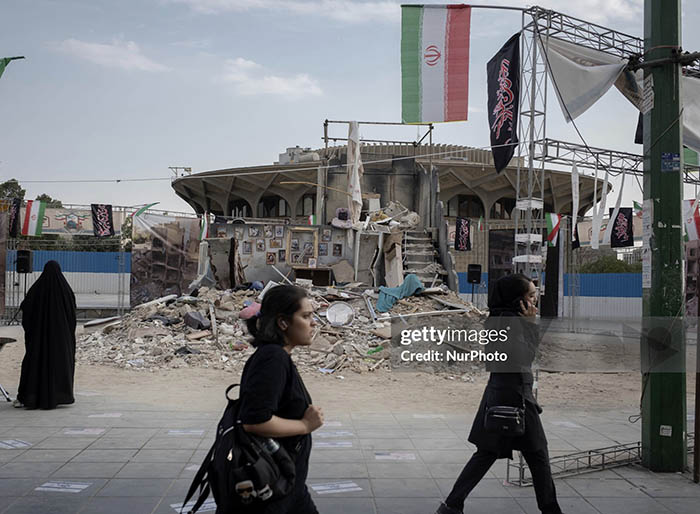
Section 2: The Cultural and Religious Significance of the Hijab in Iran
2.1 Historical Evolution of the Hijab in Iran
In pre-modern Iran, dress was diverse, reflecting regional, social, and cultural distinctions. The 20th century, however, saw a shift towards Western-style dress among urban elites, especially during the Pahlavi dynasty.
The 1979 Islamic Revolution marked a turning point, where the hijab was mandated as part of Islamic identity and societal order. The new government enforced strict dress codes, viewing the hijab as a symbol of Islamic faith and resistance against Western cultural imperialism.
2.2 Hijab as a Symbol of Islamic Identity and Resistance
Post-revolution, the hijab became a deeply embedded symbol of Islamic fidelity and national unity. It also reflected resistance to Western influence, embodying the Islamic Republic’s ideological stance.
Over time, the hijab’s meaning has evolved. For many women, it remains a religious obligation; for others, it has become a symbol of political identity—either embraced or contested through protests.
2.3 Contemporary Interpretations and Movements
In recent decades, movements like “My Stealthy Freedom” and “Women for Freedom” have challenged compulsory hijab laws, advocating for personal choice. Despite repression, many women wear hijab as an act of faith, cultural pride, or political resistance.
The hijab’s symbolism is complex—serving as both a tool of state control and a badge of religious and cultural identity.
August 7, 2025 | 4:21 pm
More stories
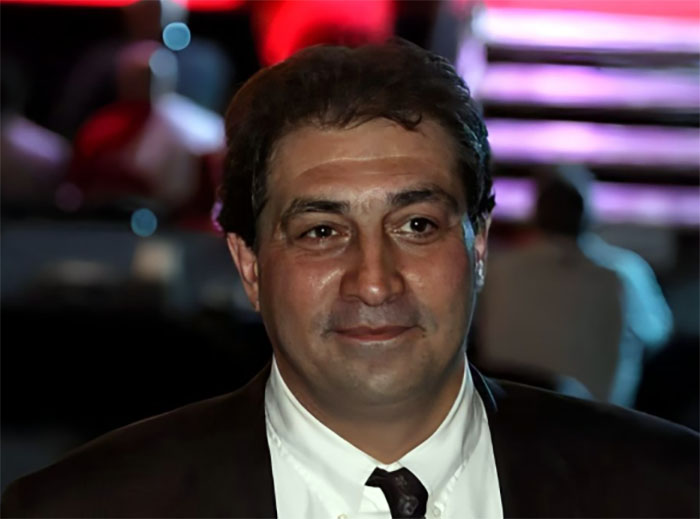
Who Is Babak Takhti? Gholamreza Takhti’s Only Son, His Family, Career, and His Father’s Controversial Death
Introduction Babak Takhti is an Iranian writer, publisher and the only son of Gholamreza Takhti, the legendary Iranian freestyle wrestler … Continue reading ➝
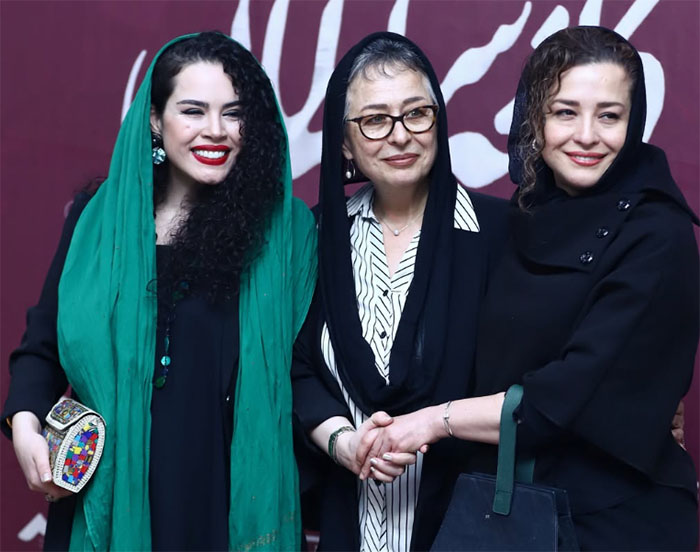
Azita Hajian, Mehraveh Sharifinia and Melika Sharifinia Attend Cafe Soltan Private Screening at Megamall Cinema
Introduction The private screening of Cafe Soltan, the Iranian feature film directed by Mostafa Razagh-Karimi and produced by Morteza Razagh-Karimi, … Continue reading ➝
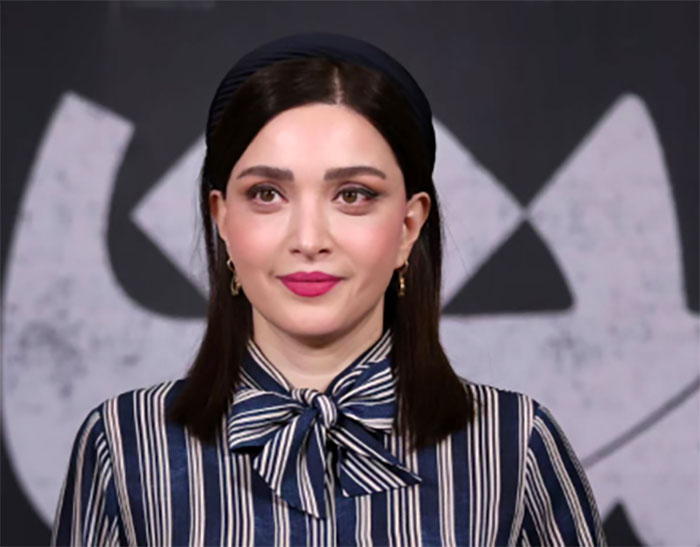
Bot (Bet) Movie: Hamid Nematollah’s Drama Holds Private Screening at Galleria Cinema Complex
Introduction The Iranian social drama Bot, also transliterated as Bet and associated with the English title Idol, has attracted attention … Continue reading ➝
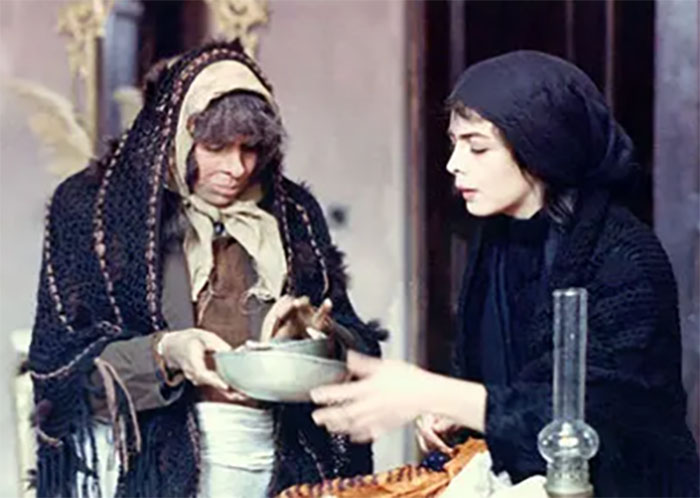
10 Fascinating Stories About Most Famous Actresses: Behind-the-Scenes Secrets From Iconic Films and TV Shows
Introduction 1. Gohar Kheirandish in Banoo: The Makeup That Could Not Hide Her Beauty Film: Banoo (The Lady) Director: Dariush … Continue reading ➝
9 Famous Celebrity Love Stories That Captivated the World
Introduction 1. Googoosh and Dariush: The Rumored Romance Between Two Iranian Music Legends Few names are as recognizable in Iranian … Continue reading ➝