War Conflict and the Hijab: The Role of Women in Socio-Political Movements
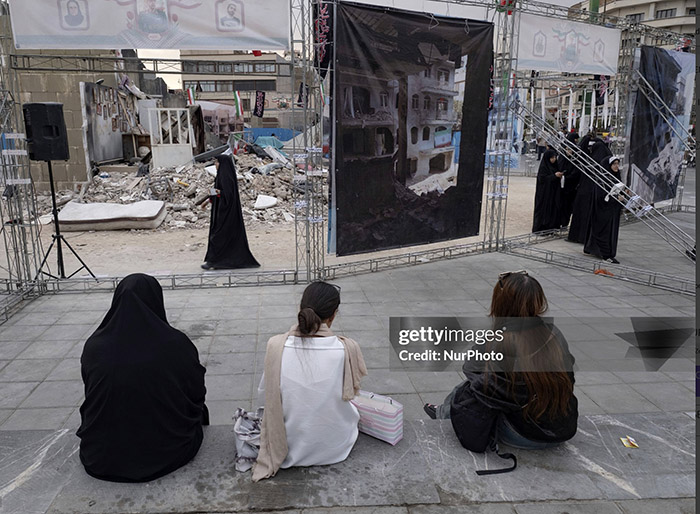
Section 1: Historical Context of Iran-Israel Relations
1.1 Origins of the Iran-Israel Rivalry
The roots of Iran-Israel hostility stretch back to the mid-20th century. After the founding of Israel in 1948, Iran’s leadership viewed the Jewish state with suspicion, aligning with regional Arab countries opposing Israel’s establishment. Iran maintained diplomatic relations with Israel until the 1979 Islamic Revolution, which dramatically shifted its foreign policy.
Post-revolution, Iran adopted an explicit anti-Zionist stance rooted in ideological, religious, and political convictions. The new Islamic Republic saw Israel as an illegitimate entity occupying Palestinian lands and supporting regional regimes opposed to Iran’s revolutionary ideals.
Iran’s support for Palestinian groups like Hamas and Islamic Jihad, and its backing of Hezbollah in Lebanon, symbolized its ideological opposition and strategic resistance. These alliances turned Iran into a regional power opposing Israel’s military and political presence, framing their rivalry as part of a broader Islamic resistance movement.
1.2 The 1979 Iranian Revolution and Its Aftermath
The Islamic Revolution was transformative, overthrowing the monarchy of Shah Mohammad Reza Pahlavi and establishing an Islamic theocratic state under Ayatollah Khomeini. The revolution aimed to export revolutionary ideals across the Muslim world, positioning Iran as a leader of Islamic resistance.
The revolution also resulted in a complete overhaul of Iran’s foreign relations, especially with Israel. The new regime condemned Israel’s policies and severed diplomatic ties, framing the conflict as part of a religious and ideological struggle.
1.3 Regional and Global Dynamics
Iran’s opposition to Israel intensified during the Iran-Iraq War (1980–1988), where external threats united the nation. Meanwhile, Israel strengthened its regional alliances with Gulf Arab states, leveraging military superiority supported by Western powers.
In the 21st century, Iran’s nuclear program and regional influence have heightened tensions, with Israel perceiving Iran’s nuclear ambitions as existential threats. International sanctions, cyber warfare, and covert operations have become tools in this ongoing rivalry, shaping regional stability.
August 7, 2025 | 4:21 pmMore stories

Who Is Babak Takhti? Gholamreza Takhti’s Only Son, His Family, Career, and His Father’s Controversial Death
Introduction Babak Takhti is an Iranian writer, publisher and the only son of Gholamreza Takhti, the legendary Iranian freestyle wrestler … Continue reading ➝
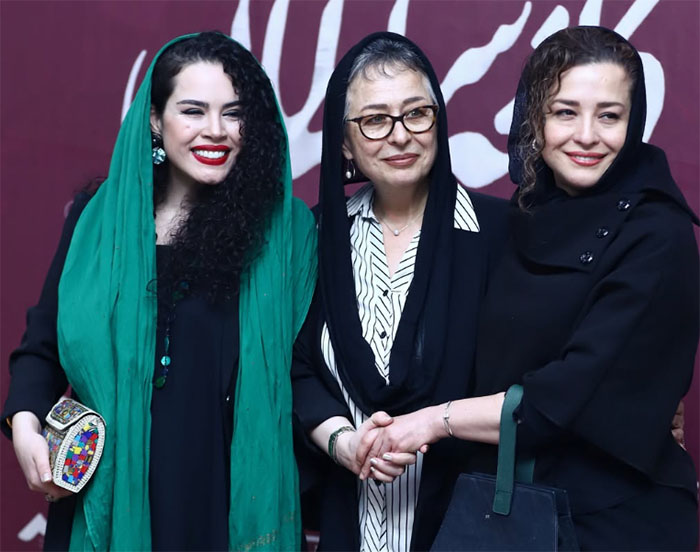
Azita Hajian, Mehraveh Sharifinia and Melika Sharifinia Attend Cafe Soltan Private Screening at Megamall Cinema
Introduction The private screening of Cafe Soltan, the Iranian feature film directed by Mostafa Razagh-Karimi and produced by Morteza Razagh-Karimi, … Continue reading ➝

Bot (Bet) Movie: Hamid Nematollah’s Drama Holds Private Screening at Galleria Cinema Complex
Introduction The Iranian social drama Bot, also transliterated as Bet and associated with the English title Idol, has attracted attention … Continue reading ➝
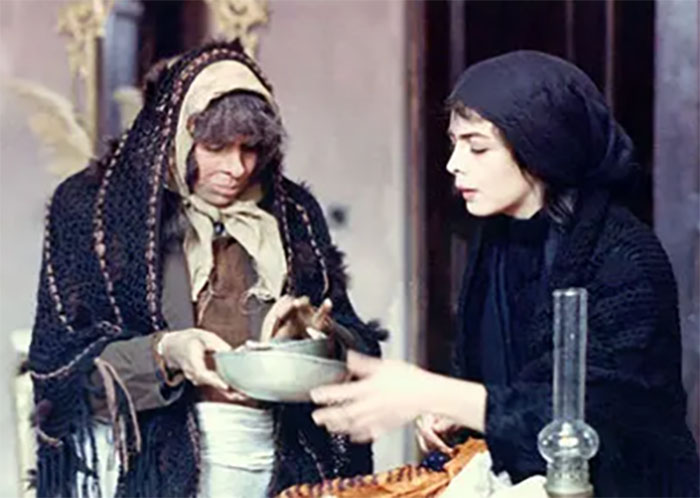
10 Fascinating Stories About Most Famous Actresses: Behind-the-Scenes Secrets From Iconic Films and TV Shows
Introduction 1. Gohar Kheirandish in Banoo: The Makeup That Could Not Hide Her Beauty Film: Banoo (The Lady) Director: Dariush … Continue reading ➝
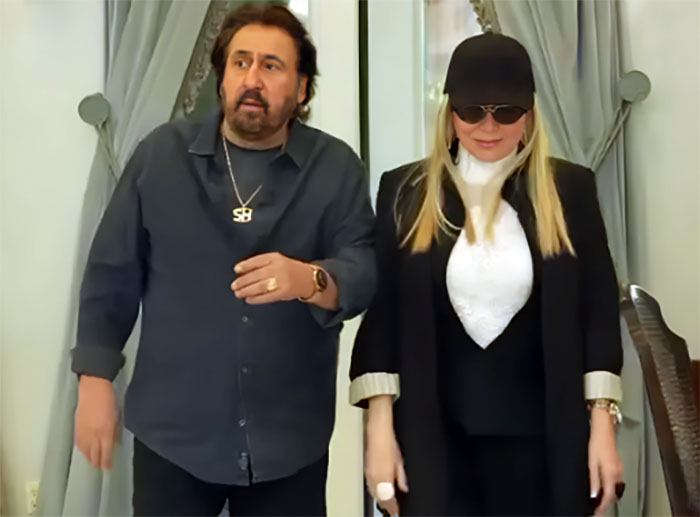
9 Famous Celebrity Love Stories That Captivated the World
Introduction 1. Googoosh and Dariush: The Rumored Romance Between Two Iranian Music Legends Few names are as recognizable in Iranian … Continue reading ➝