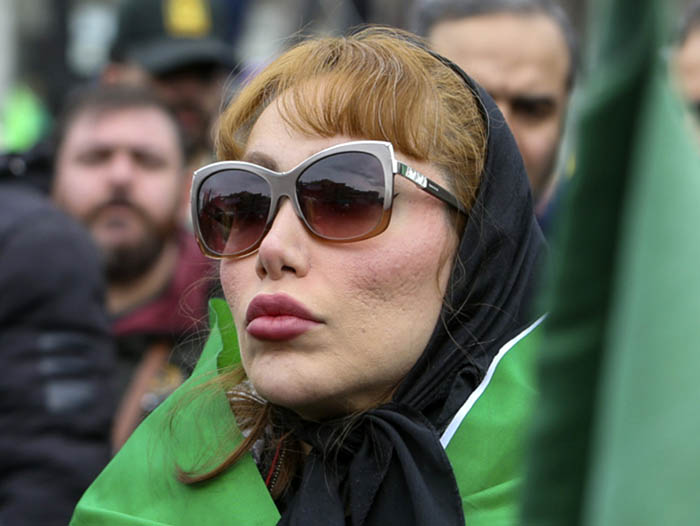
Political Turmoil and Opposition Movements: The Role of Reza Pahlavi and International Diplomacy
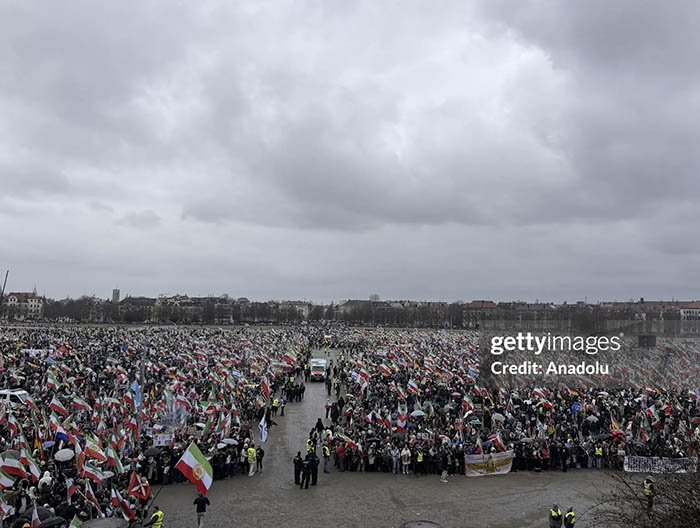
Regional Dynamics and Iran’s Neighbors
Iran’s internal unrest influences neighboring countries like Iraq, Afghanistan, and the Gulf Cooperation Council (GCC) states. Concerns over spillover effects, refugee flows, and proxy conflicts complicate regional stability.
U.S. and European Union Policies
Western countries have adopted a mix of sanctions, diplomatic engagement, and support for civil society organizations. The effectiveness of these strategies remains debated, with some advocating for increased pressure and others promoting dialogue.
Nuclear Negotiations and Iran’s Future
Iran’s nuclear program remains a contentious issue. International efforts such as the JCPOA (Joint Comprehensive Plan of Action) negotiations aim to curb nuclear proliferation, but internal instability and regime hardening complicate these efforts.
Conclusion
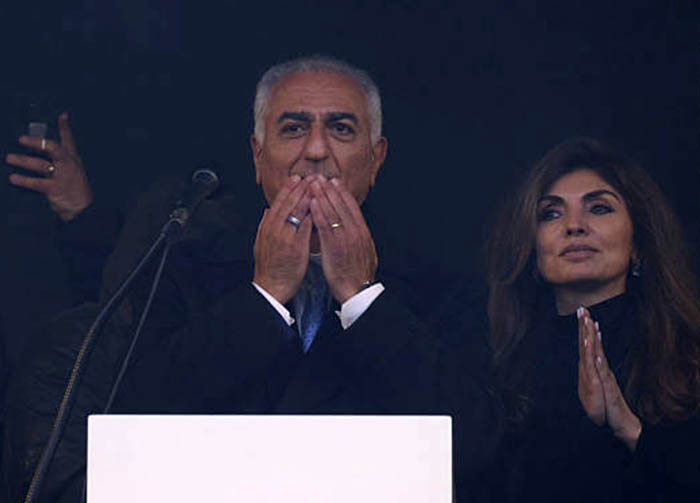
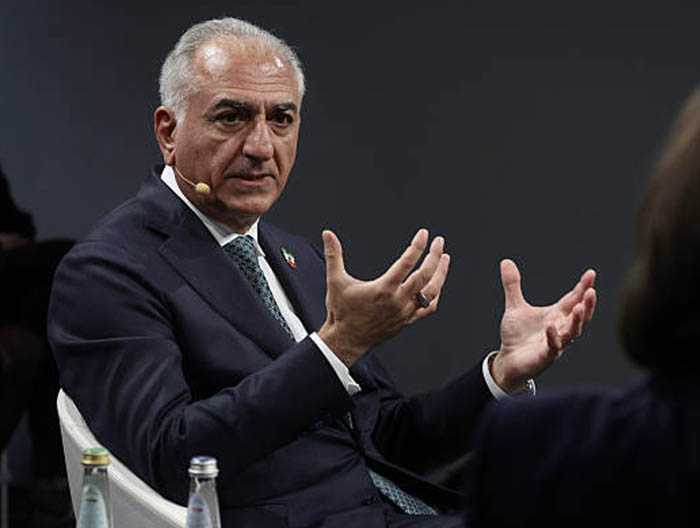
Iran’s ongoing political crisis, marked by mass protests, government repression, and international attention, continues to shape the geopolitical landscape of the Middle East and beyond. Figures like Reza Pahlavi symbolize the aspiration for a democratic Iran, while global forums such as the Munich Security Conference highlight the international community’s concern and engagement.
Support for Iranian opposition movements, diplomatic pressure, and regional stability efforts are crucial in shaping Iran’s future. As the world watches, the hope for transition and reform persists amid challenges and uncertainties.