Political Turmoil and Opposition Movements: The Role of Reza Pahlavi and International Diplomacy
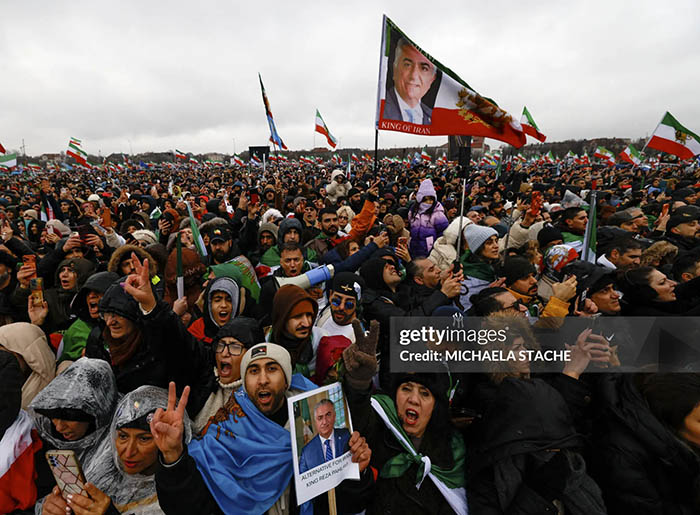
The Pahlavi Dynasty and Its Historical Significance
The Pahlavi dynasty, founded by Reza Shah Pahlavi in 1925, ruled Iran until the Islamic Revolution of 1979. Reza Shah’s modernization efforts, including infrastructure development, education reform, and efforts to reduce foreign influence, left a significant legacy. His son, Mohammad Reza Pahlavi, continued these policies but faced increasing opposition due to authoritarian rule, corruption, and suppression of political dissent.
The Shah’s regime was characterized by its close ties to Western powers, especially the United States, which provided support amidst Cold War geopolitics. However, widespread dissatisfaction among Iranians over political repression, economic inequality, and cultural restrictions culminated in the 1979 revolution, overthrowing the monarchy and establishing the Islamic Republic.
The Rise of the Islamic Republic and Its Impact
Post-1979, Iran transformed into a theocratic state under Ayatollah Khomeini. The revolution was driven by a coalition of secular nationalists, religious fundamentalists, and leftist groups, unified in their opposition to the Shah’s regime. The new leadership consolidated power, suppressing dissent and establishing a political system rooted in Islamic law.
The Islamic Republic’s policies led to a complex political landscape, with internal factions vying for influence. The regime’s stance on issues like nuclear development, regional policies, and internal repression have created ongoing tensions with Western countries.
The Emergence of Opposition Figures
Over the decades, opposition figures like Reza Pahlavi have emerged as voices calling for reform or regime change. Pahlavi’s advocacy for constitutional monarchy, democracy, and civil liberties resonates with segments of the Iranian population disillusioned with the current regime.
Despite exile, Reza Pahlavi has maintained influence through social media, international diplomacy, and support from diaspora communities. His consistent message advocates for peaceful transition and human rights, positioning him as a central figure in Iran’s opposition landscape.
February 14, 2026 | 4:36 pmMore stories
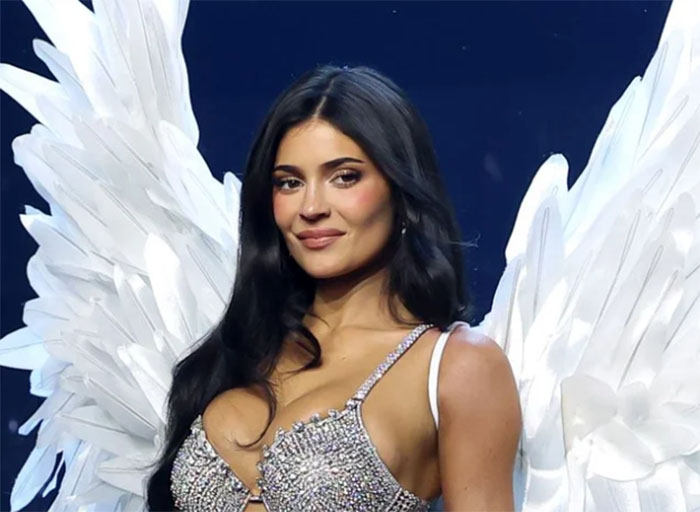
Kylie Jenner Makes Victoria’s Secret Fashion Show Debut in $50 Million Fantasy Bra
Introduction Babak Takhti is an Iranian writer, publisher and the only son of Gholamreza Takhti, the legendary Iranian freestyle wrestler … Continue reading ➝
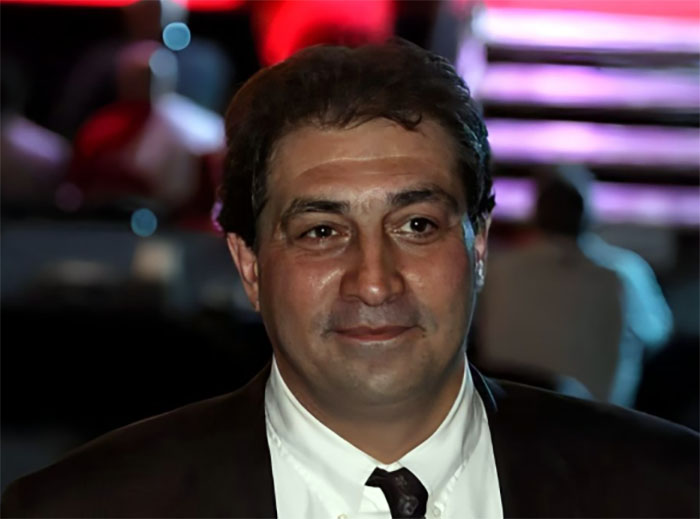
Who Is Babak Takhti? Gholamreza Takhti’s Only Son, His Family, Career, and His Father’s Controversial Death
Introduction Babak Takhti is an Iranian writer, publisher and the only son of Gholamreza Takhti, the legendary Iranian freestyle wrestler … Continue reading ➝
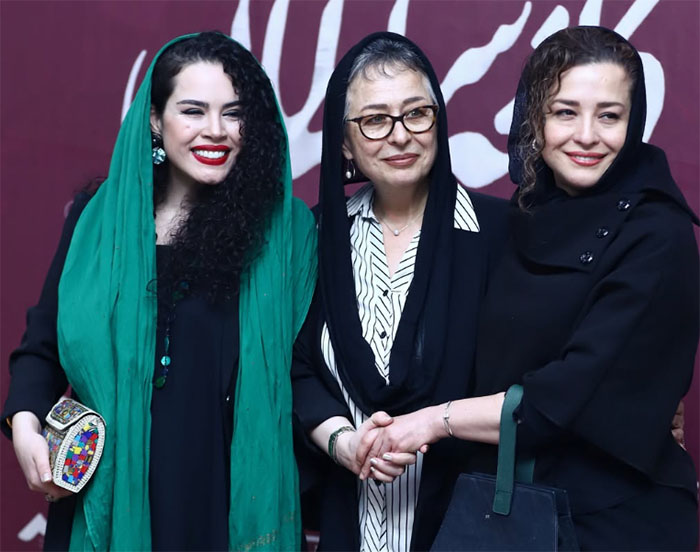
Azita Hajian, Mehraveh Sharifinia and Melika Sharifinia Attend Cafe Soltan Private Screening at Megamall Cinema
Introduction The private screening of Cafe Soltan, the Iranian feature film directed by Mostafa Razagh-Karimi and produced by Morteza Razagh-Karimi, … Continue reading ➝
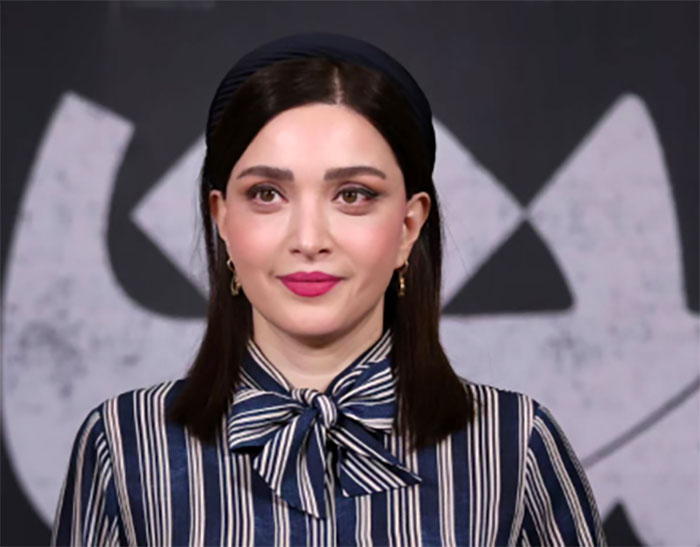
Bot (Bet) Movie: Hamid Nematollah’s Drama Holds Private Screening at Galleria Cinema Complex
Introduction The Iranian social drama Bot, also transliterated as Bet and associated with the English title Idol, has attracted attention … Continue reading ➝
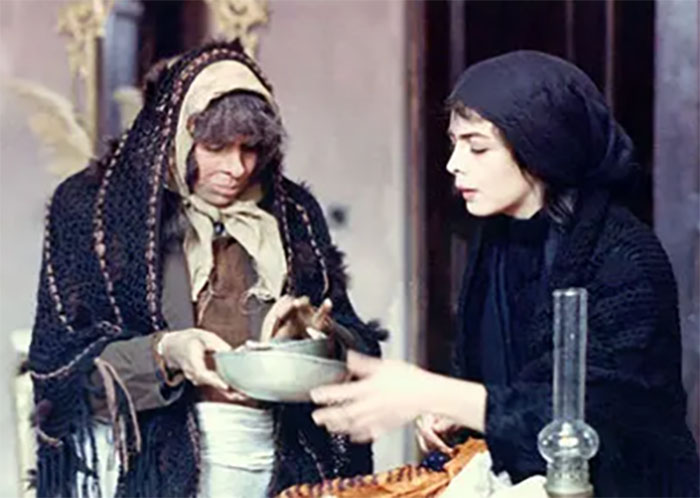
10 Fascinating Stories About Most Famous Actresses: Behind-the-Scenes Secrets From Iconic Films and TV Shows
Introduction 1. Gohar Kheirandish in Banoo: The Makeup That Could Not Hide Her Beauty Film: Banoo (The Lady) Director: Dariush … Continue reading ➝