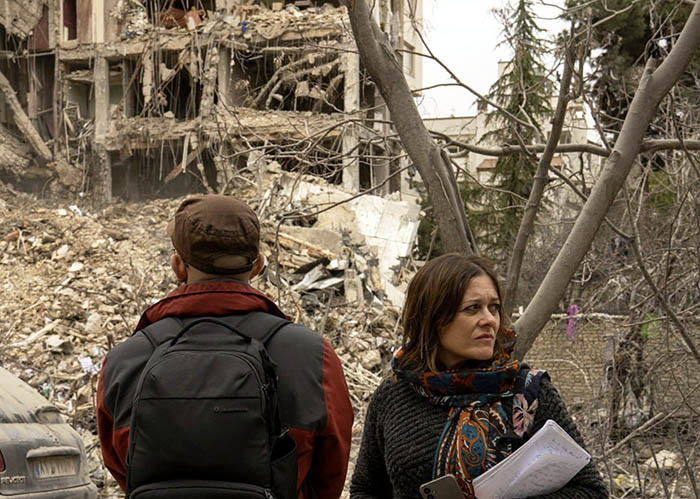
The Behesht Zahra Funeral and the War’s Deepening Crisis: Context, Reactions, and Regional Implications
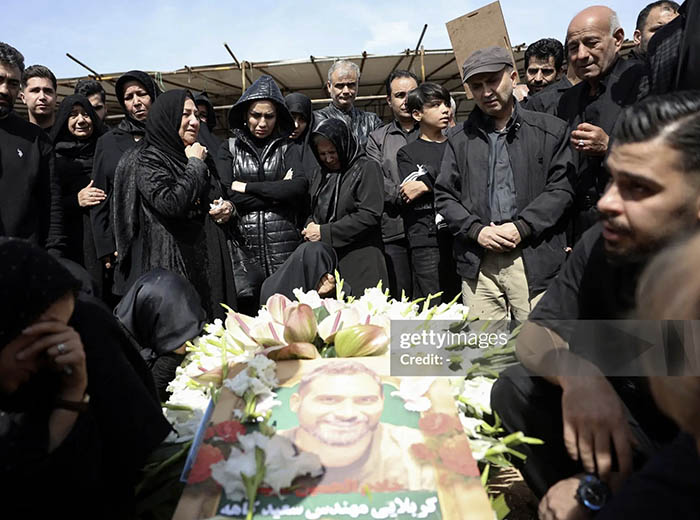
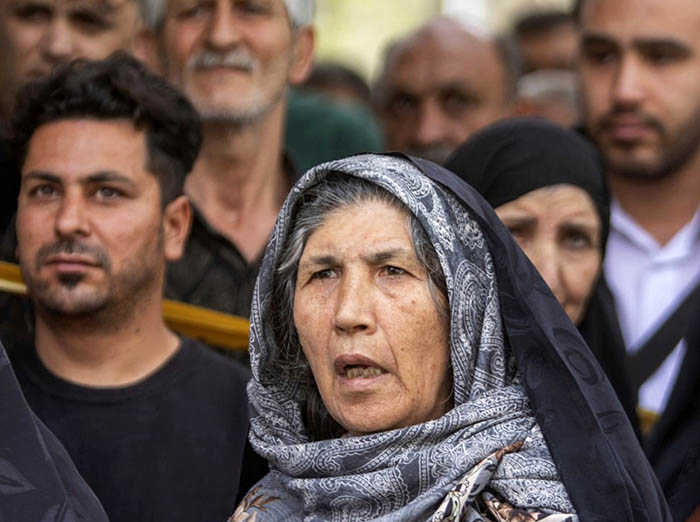
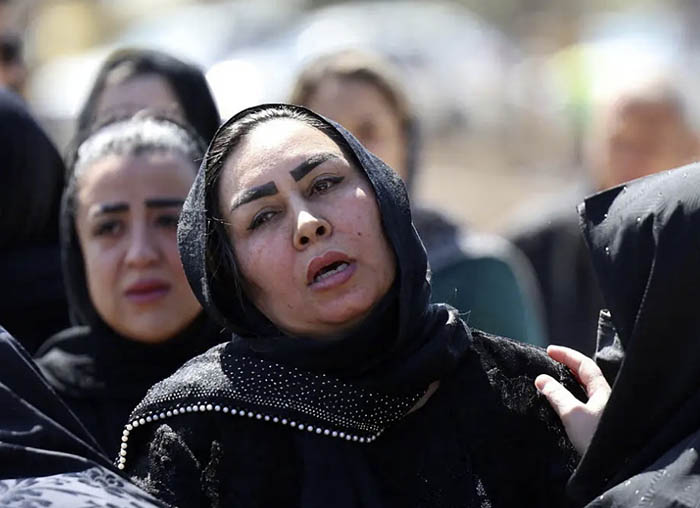
The human dimension of the conflict remains most visible in sites like Behesht Zahra cemetery, where the physical act of mourning transforms into a symbol of national experience. The funerals represent both individual loss and collective memory, as communities grapple with the realities of war. Children grow up witnessing grief and resilience simultaneously, while adults navigate the dual responsibilities of survival and remembrance. This shared mourning process contributes to the social fabric of Iran, shaping public attitudes toward national defense, foreign policy, and the broader conflict.
Looking forward, the trajectory of the Middle East war in 2026 remains uncertain. While diplomatic channels offer potential pathways to resolution, entrenched positions and uncompromising demands from both Tehran and Washington threaten to prolong the conflict. Ceasefire negotiations, confidence-building measures, and international mediation remain essential, yet their success depends on the willingness of all parties to compromise. Without tangible agreements, the cycle of violence may continue, deepening humanitarian suffering, destabilizing the region, and extending the geopolitical consequences far beyond Iran’s borders.
The long-term implications of the war are profound. Societal trauma, displacement, and economic disruption may persist for years, influencing political decisions and shaping regional alignments. Global energy markets and trade routes face ongoing uncertainty, while the human cost, embodied in the funerals at Behesht Zahra, underscores the urgency of addressing both immediate and structural consequences. The conflict serves as a stark reminder that military strategy, diplomacy, and humanitarian considerations are intertwined, with each funeral, missile strike, and negotiation reflecting the complex reality of modern warfare in the Middle East.