The Behesht Zahra Funeral and the War’s Deepening Crisis: Context, Reactions, and Regional Implications
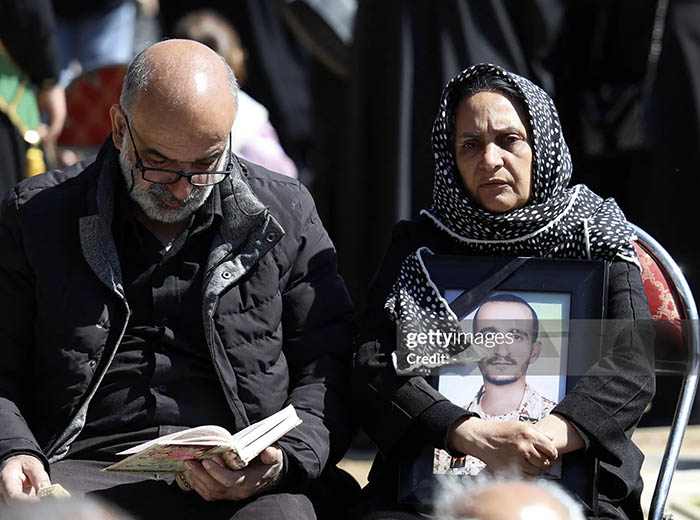
The events of March 26, 2026, at Behesht Zahra cemetery in southern Tehran, where mourners carried coffins draped in Iranian flags, marked not only the personal tragedies of loss but also the symbolic heart of a nation under siege. The funerals, widely covered by international media, underscored the scale of the casualties that have emerged from nearly four weeks of intense fighting involving Iran, the United States, and Israel. Families gathered to mourn relatives who had been killed in the conflict, reflecting a collective grief that mirrors the broader societal strain in Iran. The images of weeping men and women, solemn processions, and tightly clustered crowds carrying caskets reverberated across media channels, creating a stark visual narrative of both sacrifice and resistance.
The Middle East war of 2026 cannot be understood without reference to decades of tension between Iran and its adversaries. Iran’s strategic positioning in the region, bolstered by alliances with militia groups in Iraq, Lebanon, Syria, and Yemen, has long been a source of concern for U.S. and Israeli policymakers. Over the past twenty years, successive rounds of sanctions, covert operations, and military interventions have framed the perception of Iran as both a threat and a key regional actor. The 2026 escalation followed a series of preemptive strikes targeting Iranian military installations, leadership figures, and infrastructure, which Iran responded to with missile attacks and drone operations directed at Israel and U.S. assets in the Gulf. The resulting cycle of violence rapidly expanded the theater of conflict beyond initial expectations, with civilian populations increasingly caught in the crossfire.
March 26, 2026 | 2:36 pmMore stories
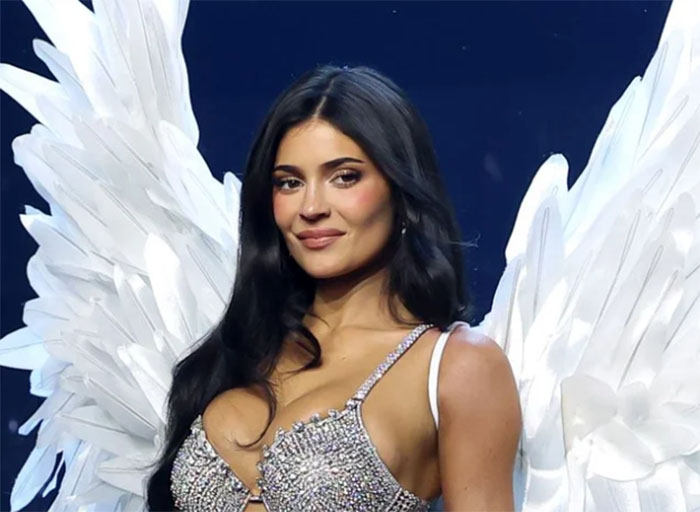
Kylie Jenner Makes Victoria’s Secret Fashion Show Debut in $50 Million Fantasy Bra
Introduction Babak Takhti is an Iranian writer, publisher and the only son of Gholamreza Takhti, the legendary Iranian freestyle wrestler … Continue reading ➝
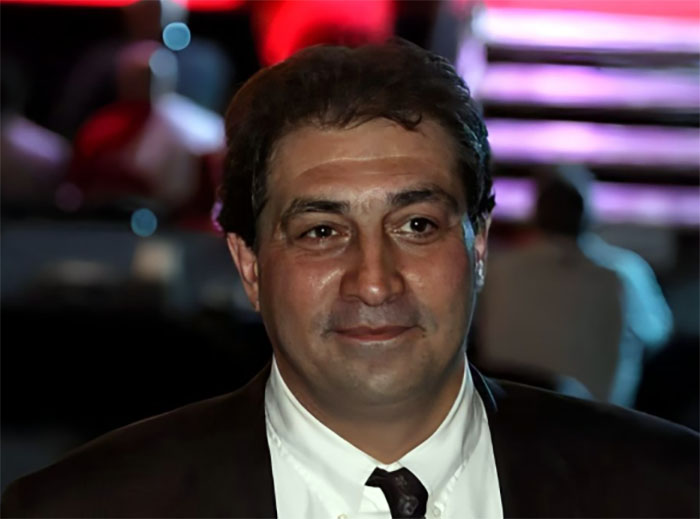
Who Is Babak Takhti? Gholamreza Takhti’s Only Son, His Family, Career, and His Father’s Controversial Death
Introduction Babak Takhti is an Iranian writer, publisher and the only son of Gholamreza Takhti, the legendary Iranian freestyle wrestler … Continue reading ➝
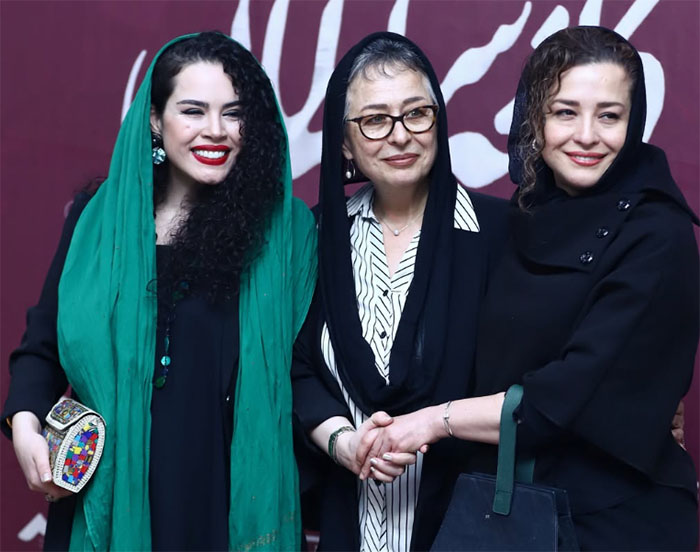
Azita Hajian, Mehraveh Sharifinia and Melika Sharifinia Attend Cafe Soltan Private Screening at Megamall Cinema
Introduction The private screening of Cafe Soltan, the Iranian feature film directed by Mostafa Razagh-Karimi and produced by Morteza Razagh-Karimi, … Continue reading ➝
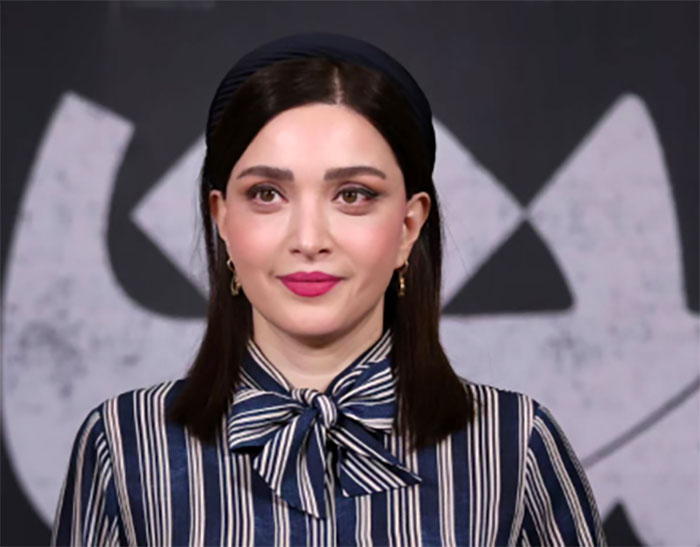
Bot (Bet) Movie: Hamid Nematollah’s Drama Holds Private Screening at Galleria Cinema Complex
Introduction The Iranian social drama Bot, also transliterated as Bet and associated with the English title Idol, has attracted attention … Continue reading ➝
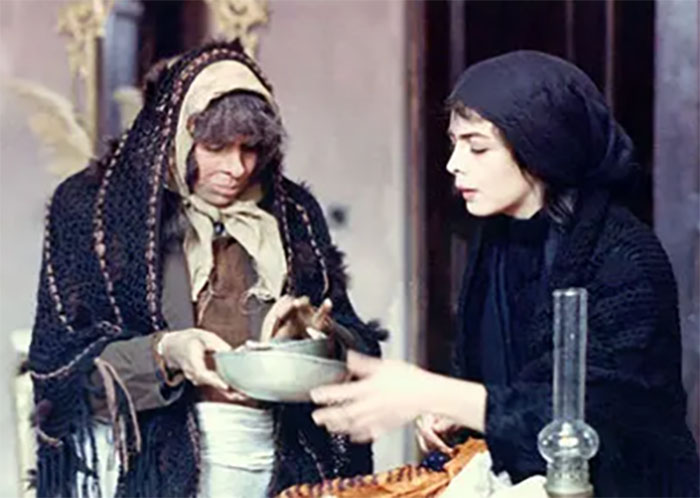
10 Fascinating Stories About Most Famous Actresses: Behind-the-Scenes Secrets From Iconic Films and TV Shows
Introduction 1. Gohar Kheirandish in Banoo: The Makeup That Could Not Hide Her Beauty Film: Banoo (The Lady) Director: Dariush … Continue reading ➝