The Behesht Zahra Funeral and the War’s Deepening Crisis: Context, Reactions, and Regional Implications
Long-Term Implications
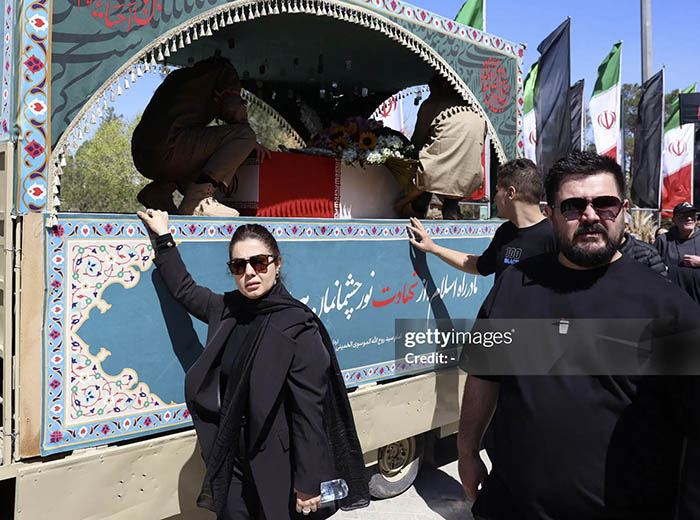
The funerals at Behesht Zahra serve as a somber reminder of the human toll of this conflict. As coffins were carried along pathways lined with mourners, the weight of loss was visible in the tears, chants, and collective silence. While official Iranian media emphasized the heroism of those killed and framed the narrative around resistance and national defense, the stark human suffering was evident to all observers. Hospitals in Tehran and other cities reported surges in casualties, both from military engagements and accidents resulting from missile strikes, while humanitarian organizations highlighted the growing strain on medical facilities and the urgent need for aid. Families of the fallen confront not only emotional grief but also the economic hardships imposed by war, with many losing their primary breadwinners and facing uncertain futures.
The strategic dimension of the conflict has also profoundly shaped regional security dynamics. The Gulf states, particularly Saudi Arabia and the United Arab Emirates, have closely monitored military movements and naval deployments in the Strait of Hormuz, where threats to shipping lanes have global economic implications. Iran’s regional allies and proxies, including Hezbollah in Lebanon and Shia militias in Iraq, have conducted retaliatory operations, extending the conflict into neighboring territories. Israel has maintained heightened alert levels, reinforcing air defense systems and preparing for potential Iranian missile and drone strikes. The United States has escalated its military presence in the region, signaling both deterrence and readiness to support Israel, while simultaneously advocating for diplomatic solutions.
Despite the intensity of combat, diplomatic efforts continue in parallel. President Donald Trump publicly called for Iran to engage in serious peace talks, warning that failure to negotiate “before it is too late” could escalate the humanitarian and strategic consequences further. Tehran, however, has publicly rejected U.S. overtures, proposing its own conditions for a ceasefire, including guarantees over navigation rights in the Strait of Hormuz and compensation for war-related damages. International actors, including China, Russia, and the European Union, have urged both sides to de-escalate, offering mediation and frameworks for negotiation. The complexity of these diplomatic efforts reflects not only the deep mistrust between Tehran and Washington but also the broader geopolitical interests of regional powers, some of whom are skeptical of a U.S.-led resolution.
The war has also brought the role of media and information into sharp focus. Iranian state media has highlighted the funeral processions at Behesht Zahra to reinforce national unity and public resolve, framing the conflict as a struggle against external aggression. In contrast, Western media coverage has emphasized the security threats posed by Iran, the responses of Israel and the United States, and the human cost to civilians. Social media platforms have amplified both perspectives, providing real-time reporting from civilians in conflict zones while also contributing to the spread of disinformation. The narratives constructed in the media shape both domestic and international perceptions of the war, influencing public opinion, diplomatic initiatives, and the broader strategic calculus.
March 26, 2026 | 2:36 pmMore stories

Kylie Jenner Makes Victoria’s Secret Fashion Show Debut in $50 Million Fantasy Bra
Introduction Babak Takhti is an Iranian writer, publisher and the only son of Gholamreza Takhti, the legendary Iranian freestyle wrestler … Continue reading ➝
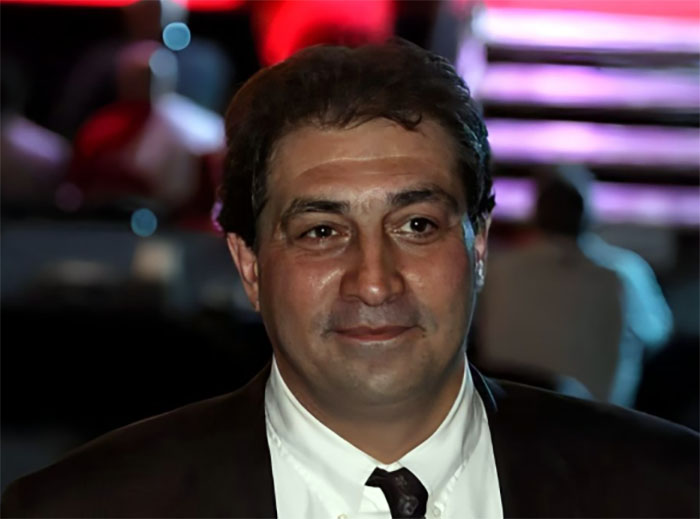
Who Is Babak Takhti? Gholamreza Takhti’s Only Son, His Family, Career, and His Father’s Controversial Death
Introduction Babak Takhti is an Iranian writer, publisher and the only son of Gholamreza Takhti, the legendary Iranian freestyle wrestler … Continue reading ➝
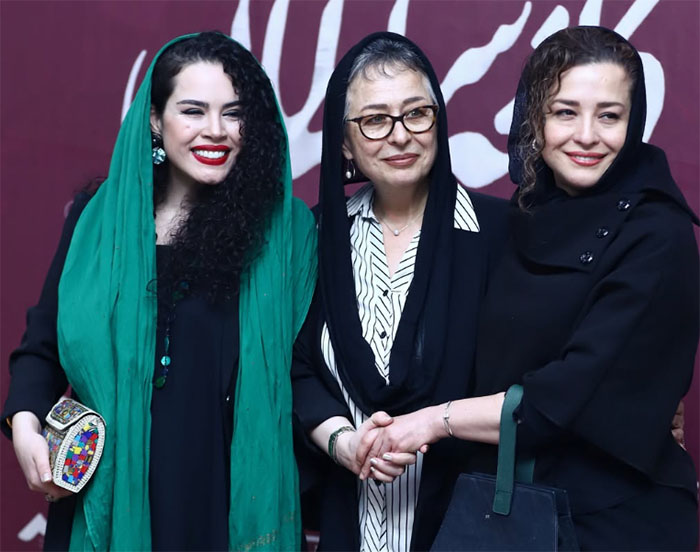
Azita Hajian, Mehraveh Sharifinia and Melika Sharifinia Attend Cafe Soltan Private Screening at Megamall Cinema
Introduction The private screening of Cafe Soltan, the Iranian feature film directed by Mostafa Razagh-Karimi and produced by Morteza Razagh-Karimi, … Continue reading ➝

Bot (Bet) Movie: Hamid Nematollah’s Drama Holds Private Screening at Galleria Cinema Complex
Introduction The Iranian social drama Bot, also transliterated as Bet and associated with the English title Idol, has attracted attention … Continue reading ➝
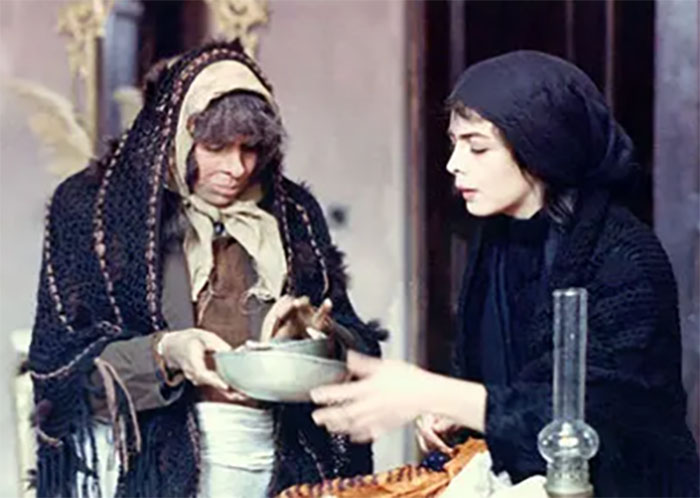
10 Fascinating Stories About Most Famous Actresses: Behind-the-Scenes Secrets From Iconic Films and TV Shows
Introduction 1. Gohar Kheirandish in Banoo: The Makeup That Could Not Hide Her Beauty Film: Banoo (The Lady) Director: Dariush … Continue reading ➝