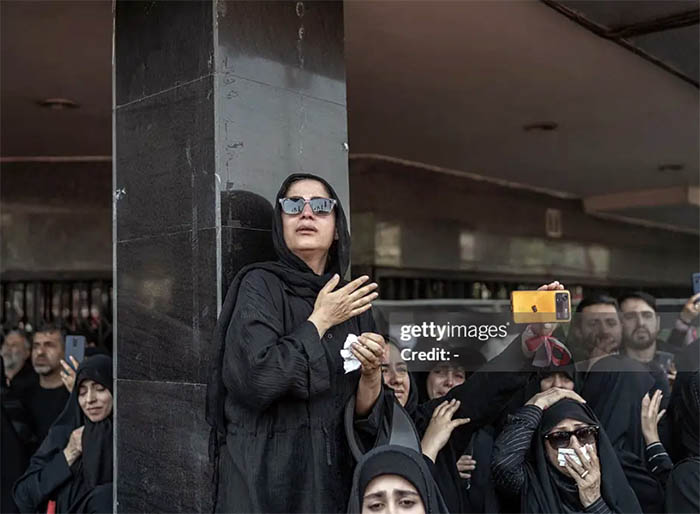
Tehran’s Farewell to Ali Khamenei: A Nation Mourns, A Political Era Comes to an End
A Leader Who Defined Modern Iran
Ali Khamenei’s influence on Iran extended far beyond the walls of government institutions. After becoming supreme leader in 1989, following the death of Ayatollah Ruhollah Khomeini, he became the central figure guiding the country’s political, military, and ideological direction.
During his long tenure, Iran experienced some of its most consequential moments: confrontation with the United States, decades of sanctions, disputes over its nuclear program, regional conflicts, and changing relationships with neighboring countries.
Supporters saw Khamenei as a guardian of Iran’s independence and a leader who resisted foreign intervention. They credited him with preserving the Islamic Republic through years of pressure and conflict.
His opponents, however, criticized his leadership for limiting political freedoms, expanding the power of security institutions, and maintaining a system they considered deeply restrictive.
Regardless of political views, few could deny the scale of his influence. His death marked the end of one of the longest political chapters in the history of the Islamic Republic.
July 6, 2026 | 10:35 pm