Tehran Without the Filter: Women, Street Life and Social Change
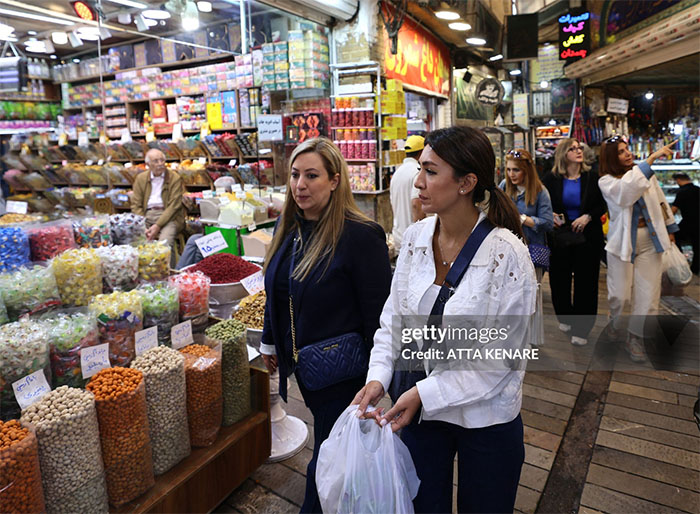
Life in Tehran
Tehran is home to millions of people and functions as the political, economic, educational and cultural center of Iran.
The city stretches across a large area between the Alborz Mountains and the southern plains. Northern Tehran is generally associated with wealthier neighborhoods, modern apartment buildings, restaurants, cafés and shopping centers, while southern districts have different architectural, economic and social characteristics.
For visitors looking at photographs of Tehran, it can be easy to mistake one neighborhood for the entire city.
In reality, Tehran street life changes significantly from one district to another.
The capital contains traditional bazaars alongside contemporary shopping malls. Historic houses coexist with high-rise residential buildings. Religious institutions stand near universities, restaurants and entertainment venues. Young people use social media while older generations maintain traditions that have existed for decades.
This mixture makes Tehran one of the most visually and culturally complex cities in the Middle East.
Tehran’s Multicultural and Multigenerational Identity
Tehran is also a city shaped by migration from across Iran.
People from different provinces, ethnic backgrounds and family traditions have moved to the capital for education, employment and economic opportunity. This creates a metropolitan culture that is considerably more diverse than a simple image of “Tehran society” might suggest.
A young professional in northern Tehran may have a lifestyle very different from a family living in a traditional neighborhood in the south of the city. Students, business owners, artists, engineers, government employees, factory workers and entrepreneurs all contribute to the city’s identity.
This diversity is one reason why photographs of Tehran should be interpreted carefully.
There is no single Iranian woman, no single Tehran lifestyle and no single definition of modern Iranian culture.
The Role of Young Women
Young women have been particularly visible in discussions about social change in Iran.
They have grown up during a period of rapid technological development and increasing exposure to international culture. Smartphones and social networks have made international fashion, music, entertainment and lifestyle trends accessible to a much larger population.
At the same time, young women remain connected to Iranian traditions through family, language, food, festivals and cultural history.
The result is often a combination of identities rather than a rejection of one identity in favor of another.
A young woman in Tehran can participate in contemporary global culture while remaining deeply connected to Persian traditions.
October 7, 2026 | 8:24 pm