Tehran Without the Filter: Women, Street Life and Social Change
Tehran Without the Filter
The phrase “Tehran without the filter” can describe an attempt to look beyond simplified images of Iran and examine the everyday city as it is experienced by its residents.
Tehran is not a single cultural environment. It is a huge metropolitan area with different social groups, economic backgrounds, generations and lifestyles. What is visible in an upscale northern Tehran café may look very different from daily life in another part of the city.
The same is true of women’s clothing.
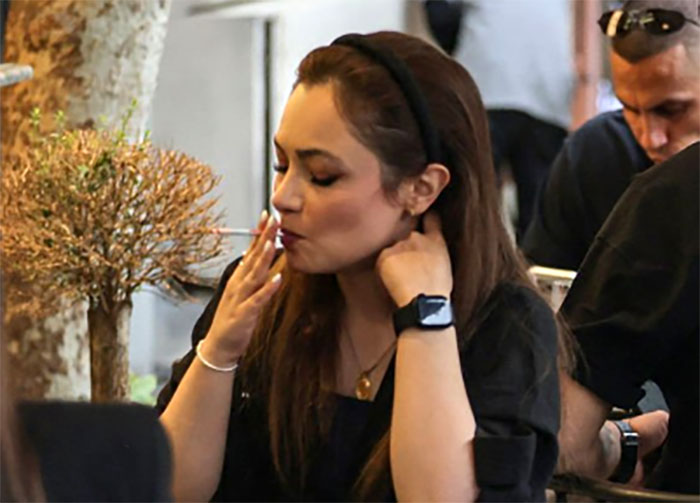
While Iranian law has historically required women to observe hijab in public, photographs and videos from Tehran in recent years have increasingly shown women appearing in public without traditional head coverings. The phenomenon became especially visible after the nationwide protests that followed the death of Mahsa Amini in 2022.
The issue of women without hijab in Tehran therefore extends beyond fashion. It has become associated with questions surrounding personal autonomy, public space, generational change, social norms and the relationship between citizens and government regulations.
Women Without Hijab in Tehran
Women walking without hijab in Tehran represent one of the most visible signs of changing social behavior in contemporary Iran.
The hijab has been legally mandatory for women in public places in Iran since the establishment of the Islamic Republic. Enforcement has varied over time and across different environments, however. In recent years, the visible presence of women without head coverings has become increasingly common in some parts of major Iranian cities.
Tehran is particularly significant because it is the country’s largest urban center and a major cultural, educational and economic hub.
A woman walking through a café, shopping district, park or busy street without a head covering can therefore become part of a much larger social story.
The visual difference can be immediately noticeable, particularly to international audiences accustomed to seeing photographs of Iran in which women are uniformly depicted wearing the hijab.
But Tehran’s social reality is more complicated.
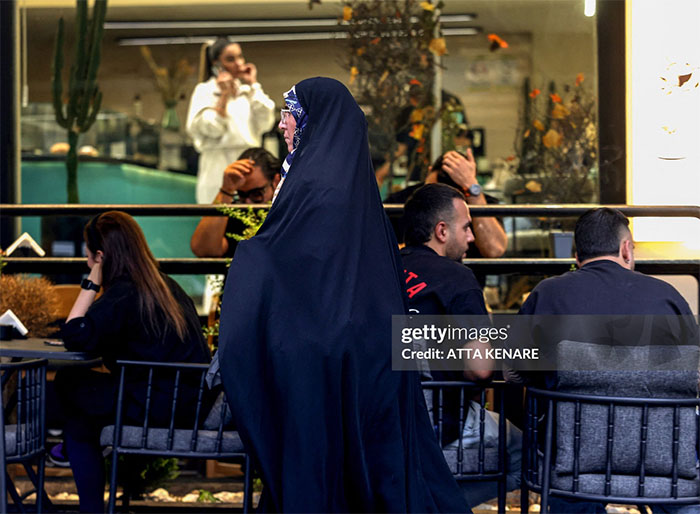
Some women continue to wear the hijab as a matter of religious belief, family tradition or personal preference. Others wear it because of social expectations or legal requirements. Some women choose increasingly relaxed forms of covering, while others appear publicly without it despite legal restrictions.
This diversity is an important part of understanding Iranian women and Tehran society.
October 7, 2026 | 8:24 pm