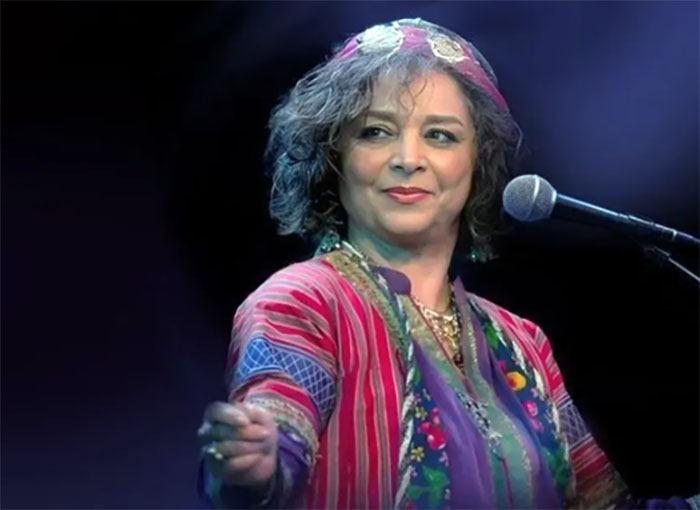
Sima Bina Receives the 16th Bita Prize from Stanford University
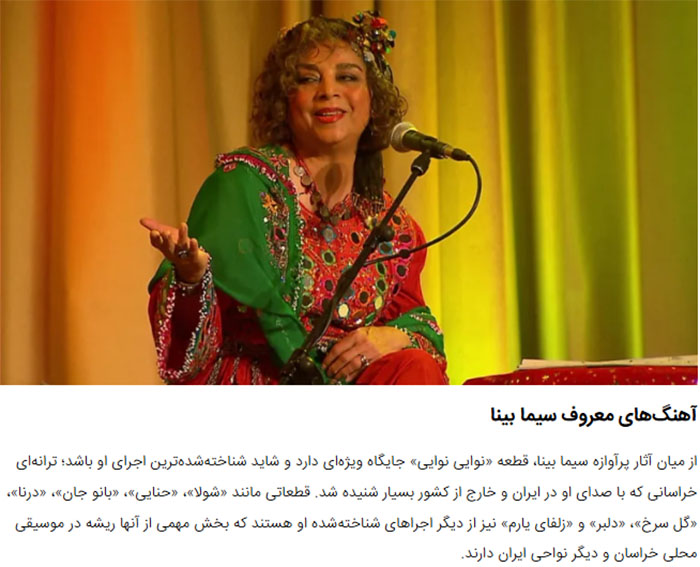
Sima Bina and the Meaning of Cultural Memory
Music can function as a form of memory.
A melody can survive even when its original environment changes.
A song can preserve words that are no longer commonly spoken.
A recording can preserve a performance style that later generations might never encounter directly.
This makes musicians like Sima Bina important cultural memory keepers.
Her work documents not only sounds but human experiences.
The Relationship Between Music and Identity
Iranian regional music is closely connected to identity.
A melody can identify a region.
A dialect can identify a community.
An instrument can evoke a particular cultural environment.
A rhythm can be associated with a ceremony.
A lullaby can connect generations.
Bina’s work brings these layers together.
Her performances demonstrate that Iranian identity cannot be reduced to one musical style.
Iranian music is plural.
It is regional.
It is historical.
And it is constantly evolving.
Sima Bina’s Contribution to World Music
Although Bina’s work is rooted in Iranian culture, her international career places her within the wider world music movement.
World music audiences often seek musical traditions that preserve a strong connection to cultural identity.
Bina’s performances provide exactly this kind of connection.
Her work does not attempt to transform Iranian music into Western pop.
Instead, it presents traditional and regional material through the voice and interpretation of a highly experienced Iranian musician.
This has helped her work reach audiences who may have had little previous exposure to Khorasani music.
November 9, 2026 | 6:01 pm