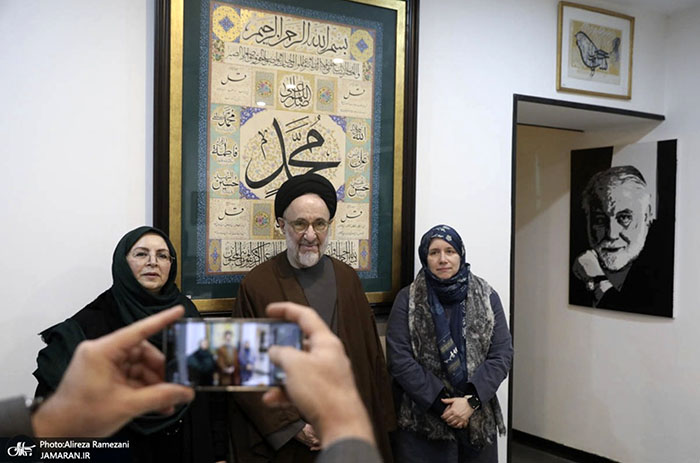
Seyyed Mohammad Khatami Visits Dr. Hassan Habibi Museum: A Reflection on Reform and Legacy
The Legacy of Cultural Renaissance
One of the most palpable aspects of Khatami’s presidency was the cultural renaissance that emerged during his time in office. Khatami advocated for cultural freedoms, leading to a flourishing of artistic expression in Iran. Writers, filmmakers, and artists found new opportunities to explore themes of identity, history, and social issues, often using subtle allegory and symbolism to critique prevailing norms.
This period saw the rise of influential filmmakers, such as Abbas Kiarostami and Mohsen Makhmalbaf, whose works gained international acclaim. They not only showcased the richness of Iranian culture but also addressed universal themes that resonated globally. Khatami’s administration encouraged such artistic endeavors, understanding their role in fostering dialogue, understanding, and ultimately, reform.
Even today, the echoes of that cultural movement are felt. New generations of artists continue to challenge societal boundaries and express themselves through various mediums, using their craft as a form of resistance against censorship and oppression. As these young creatives draw inspiration from the past, they also seek to express their contemporary realities, bridging historical contexts with modern challenges. This dynamic interplay between tradition and modernity reflects Khatami’s vision for a society that values cultural dialogue.
The Impact of Khatami on Women’s Rights
Khatami’s presidency also marked a significant moment in the discourse surrounding women’s rights in Iran. He acknowledged the pivotal role women play in the social fabric of society and advocated for policies that aimed to enhance their position. Under Khatami, women’s participation in various sectors, particularly education and employment, improved, setting a precedent for future generations.
Despite this progress, the struggles for women’s rights remain ongoing. Contemporary Iranian women, influenced by Khatami’s vision, have increasingly challenged legal and social constraints imposed upon them. Movements advocating for gender equality and women’s rights have gained momentum, pushing against traditional barriers and demanding change.
Activists today often cite Khatami’s principles, emphasizing that empowering women is essential for achieving broader societal reform. The fight for women’s rights is now intertwined with the larger struggle for democracy and human rights, echoing Khatami’s understanding that progress in one area is interconnected with progress in others.
More stories
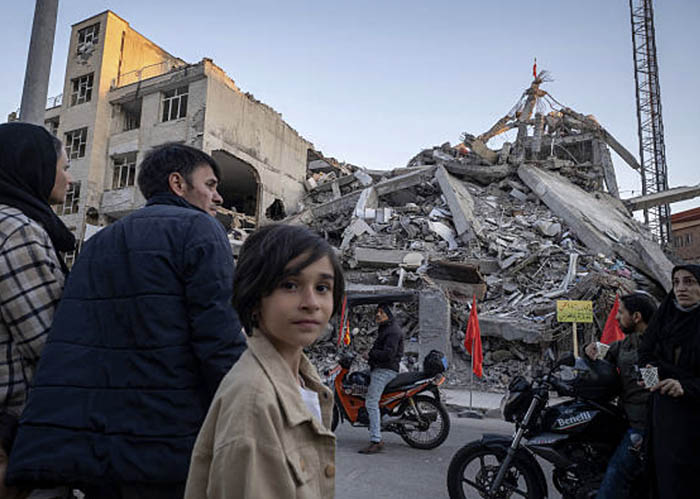
The Islamic Republic’s Instrumental Misuse of War Ruins: Propaganda
Introduction In the aftermath of the March 9 military strikes attributed to joint U.S.-Israeli operations, parts of residential Tehran were … Continue reading ➝
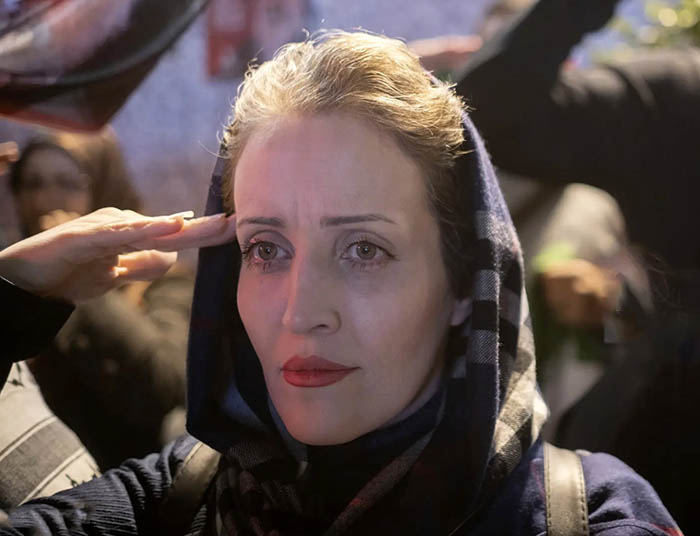
Iran Funeral Ceremony 2026: Rising Tensions After Killing of IRGC Intelligence Chief Majid Khademi
Introduction The funeral ceremony of Majid Khademi, the head of the Islamic Revolutionary Guard Corps (IRGC) Intelligence Organization, has become … Continue reading ➝
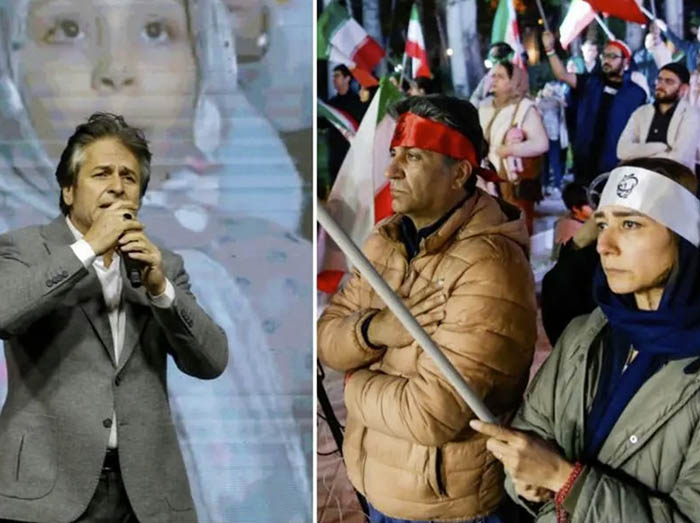
Tajik and Zanko Street Concert in Ferdows Garden: A Powerful Musical Tribute
Introduction On the evening of Tuesday, 18 Farvardin 1405, Ferdows Garden became the heart of an unforgettable cultural moment in … Continue reading ➝
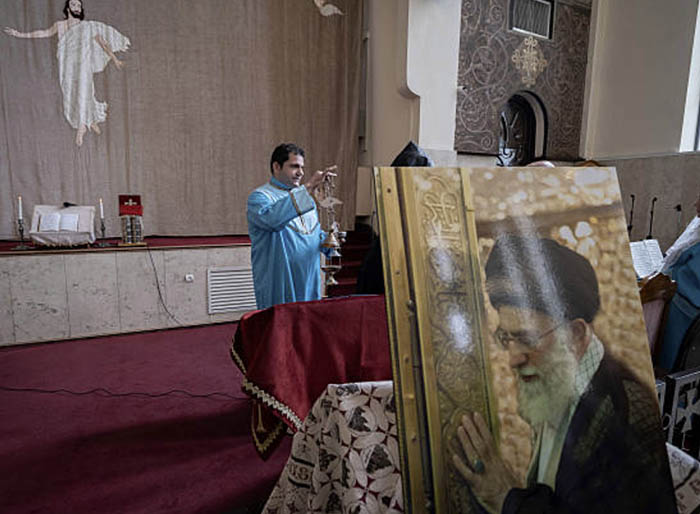
Prayer Ceremony for Late Supreme Leader Ali Khamenei, The bloodthirsty dictator Amid Ceasefire Tensions
Introduction The death of Ali Khamenei on April 8, 2026, has sent shockwaves across Iran and the wider Middle East, … Continue reading ➝
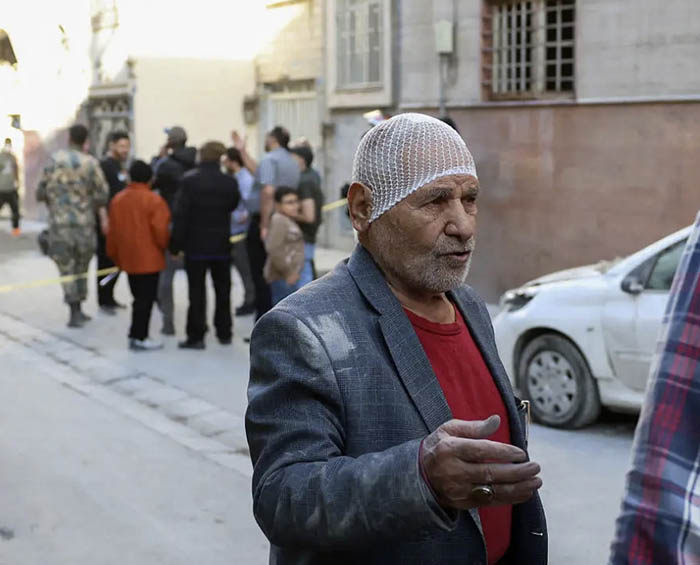
Israeli-American Strikes in Tehran 2026: Synagogue Destroyed Amid Escalating War
Introduction The ongoing conflict between Iran, Israel, and the United States has reached a devastating new chapter. On April 7, … Continue reading ➝