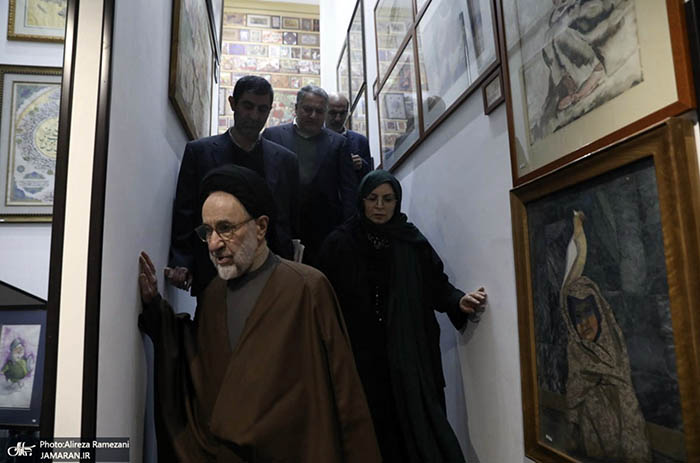
Seyyed Mohammad Khatami Visits Dr. Hassan Habibi Museum: A Reflection on Reform and Legacy
The Emergence of New Political Movements
In recent years, Iran has witnessed a resurgence of political activism, driven predominantly by young people disillusioned with the status quo. Khatami’s influence persists as these movements draw on his ideas of reform and dialogue. Activists today often invoke his teachings in their demands for political and social change.
The 2019 protests over economic pressure and governmental policies highlighted the unresolved issues that Khatami had warned about during his tenure. Protesters called for greater freedoms, transparency, and accountability—echoing Khatami’s original reformist agenda. Although state-sanctioned crackdowns often met these protests, the very existence of such movements signifies that Khatami’s vision of an engaged citizenry has not been lost.
Moreover, the proliferation of social media platforms provides an unprecedented opportunity for activists to organize and share their messages. Young Iranians demonstrate their creativity and resilience by utilizing digital tools to bypass censorship and disseminate information. This modern form of activism resonates with Khatami’s emphasis on freedom of expression and cultural dialogue, forging a path toward a participatory democracy.
The Global Impact of Khatami’s Dialogue
Khatami’s “Dialogue Among Civilizations” initiative has also garnered international attention, leading to collaborations with organizations and foundations across the globe. His vision of fostering mutual understanding among diverse cultures has been embraced by many regional and global institutions aiming to bridge divides through cultural exchanges, educational programs, and interfaith dialogue.
The concept also resonates in the broader context of global challenges such as terrorism, xenophobia, and nationalism, where cultural misunderstandings often lead to conflict. Khatami’s approach invites not only dialogue but also the recognition of shared human values, encouraging societies to engage in collaborative solutions to address mutual challenges.
In this regard, Khatami’s ideals are a reminder of the potential for cultural diplomacy in shaping international relationships. As the world grapples with rising tensions, cultural engagement rooted in Khatami’s philosophy may provide pathways toward greater peaceful coexistence.
February 4, 2025 | 10:54 pmMore stories

Marco Rubio: Personal Life, Identity, and the nightmare of the sons of the Islamic Republic in USA
Introduction Marco Rubio stands as one of the most influential American political figures of the 21st century, particularly in the … Continue reading ➝
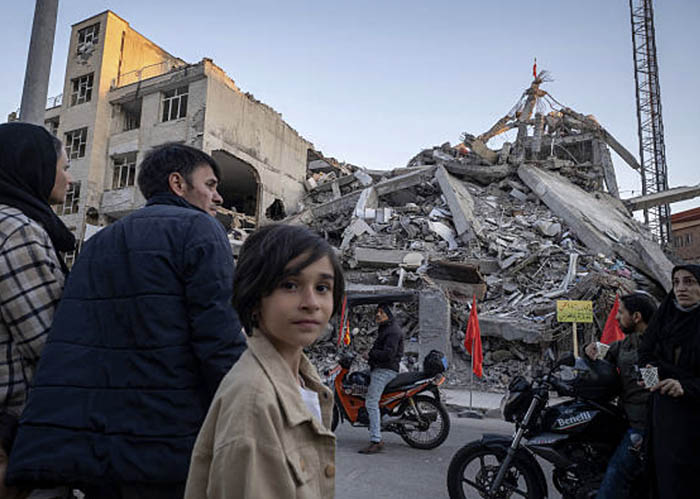
The Islamic Republic’s Instrumental Misuse of War Ruins: Propaganda
Introduction In the aftermath of the March 9 military strikes attributed to joint U.S.-Israeli operations, parts of residential Tehran were … Continue reading ➝
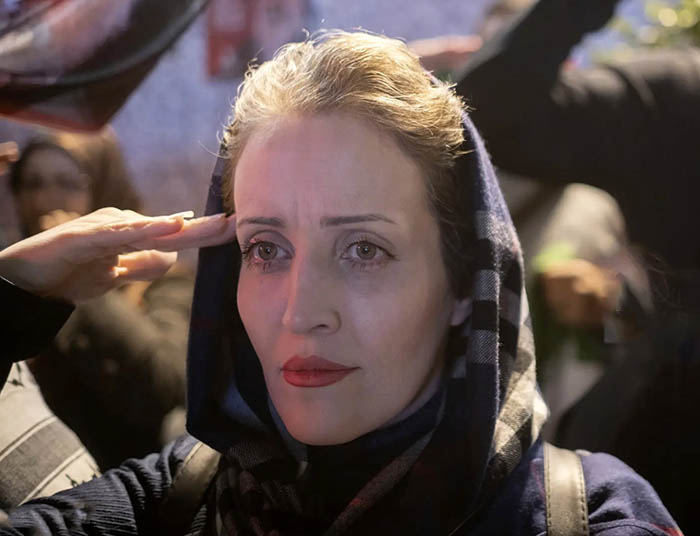
Iran Funeral Ceremony 2026: Rising Tensions After Killing of IRGC Intelligence Chief Majid Khademi
Introduction The funeral ceremony of Majid Khademi, the head of the Islamic Revolutionary Guard Corps (IRGC) Intelligence Organization, has become … Continue reading ➝
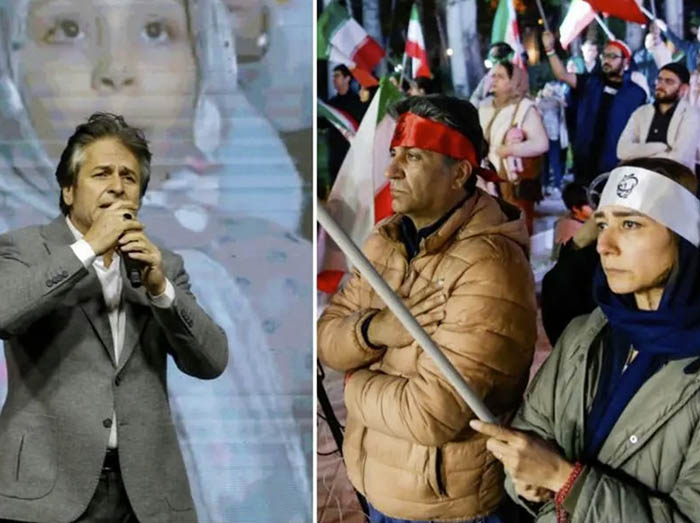
Tajik and Zanko Street Concert in Ferdows Garden: A Powerful Musical Tribute
Introduction On the evening of Tuesday, 18 Farvardin 1405, Ferdows Garden became the heart of an unforgettable cultural moment in … Continue reading ➝
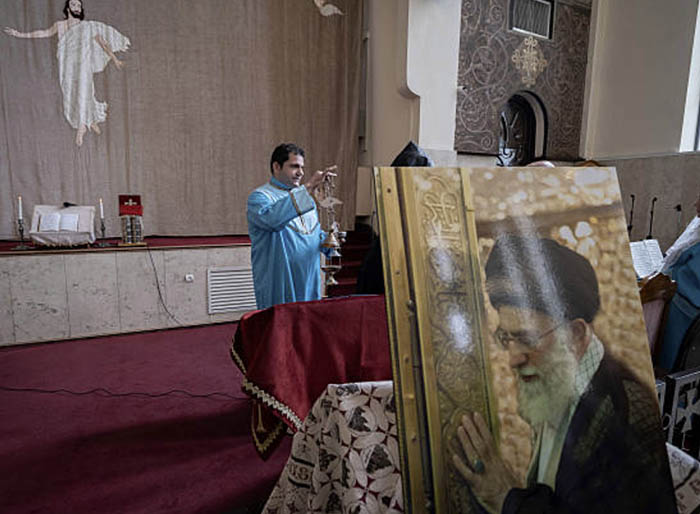
Prayer Ceremony for Late Supreme Leader Ali Khamenei, The bloodthirsty dictator Amid Ceasefire Tensions
Introduction The death of Ali Khamenei on April 8, 2026, has sent shockwaves across Iran and the wider Middle East, … Continue reading ➝