Separo House: The Best Thatched House in the World of 2025
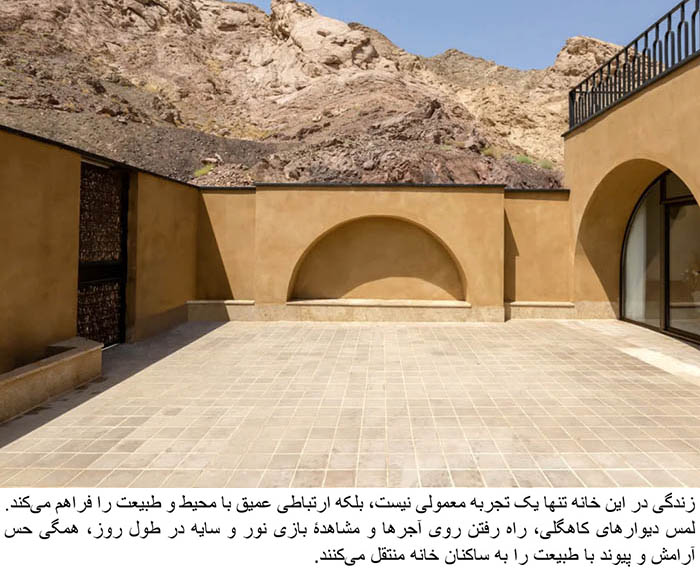
Educational Initiatives and Knowledge Transfer
The success of the Separo House can serve as a catalyst for educational programs aimed at fostering a new generation of architects and builders who appreciate the value of integrating traditional practices with modern design principles. By establishing workshops and training sessions that highlight the techniques and materials used in constructing the Separo House, local universities and architectural schools can cultivate an environment of learning that respects heritage while promoting sustainability.
1. Workshops and Hands-on Training:
Local artisans and craftsmen can lead workshops focused on traditional building techniques, such as clay construction, thatching, and the creation of curved roofs. This knowledge transfer not only preserves these essential skills but also empowers community members to participate actively in their economic development.
2. Academic Collaborations:
Universities and design schools can collaborate with local communities to create programs that allow students to engage in real-world projects like the Separo House. These initiatives can help students understand the complexities of cultural sensitivity, sustainable design, and community engagement, preparing them for careers that prioritize ethical practices in architecture.
Policy Implications and Community Resilience
The recognition of the Separo House on national and international platforms can encourage policymakers to support similar initiatives that blend sustainability with cultural preservation. Some potential policy implications and community resilience strategies include:
1. Incentives for Sustainable Building:
Local governments could offer financial incentives, grants, or tax breaks for projects that utilize traditional materials and techniques, promoting sustainable practices that benefit both the environment and the local economy.
2. Heritage Conservation Programs:
Implementing policies aimed at preserving traditional architectural styles can help maintain the cultural identity of communities in the face of modernization. Encouraging the adaptive reuse of existing structures rather than their demolition can foster continuity and respect for historical context.
3. Community-Led Development Initiatives:
Empowering local residents to have a say in development projects within their neighborhoods can lead to solutions that truly reflect the needs and desires of the community. Engaging residents in the planning and design process for future structures can result in buildings that enhance rather than disrupt the existing cultural landscape.
More stories
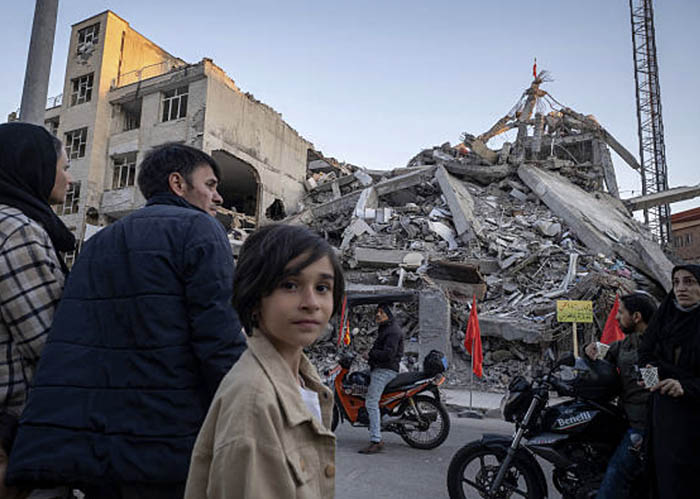
The Islamic Republic’s Instrumental Misuse of War Ruins: Propaganda
Introduction In the aftermath of the March 9 military strikes attributed to joint U.S.-Israeli operations, parts of residential Tehran were … Continue reading ➝

Iran Funeral Ceremony 2026: Rising Tensions After Killing of IRGC Intelligence Chief Majid Khademi
Introduction The funeral ceremony of Majid Khademi, the head of the Islamic Revolutionary Guard Corps (IRGC) Intelligence Organization, has become … Continue reading ➝
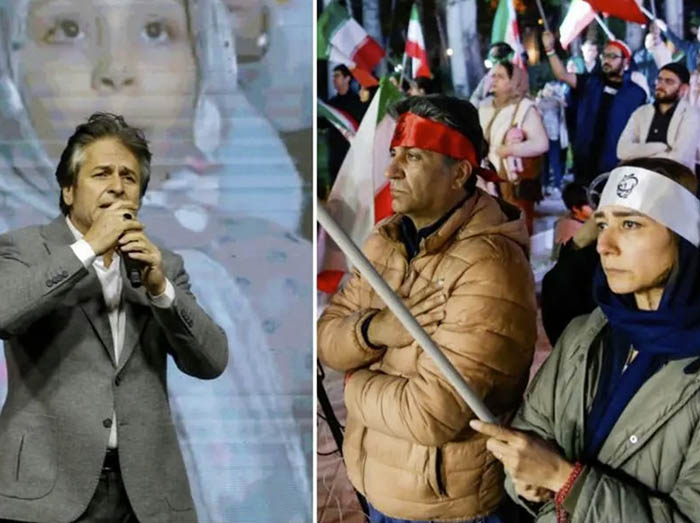
Tajik and Zanko Street Concert in Ferdows Garden: A Powerful Musical Tribute
Introduction On the evening of Tuesday, 18 Farvardin 1405, Ferdows Garden became the heart of an unforgettable cultural moment in … Continue reading ➝
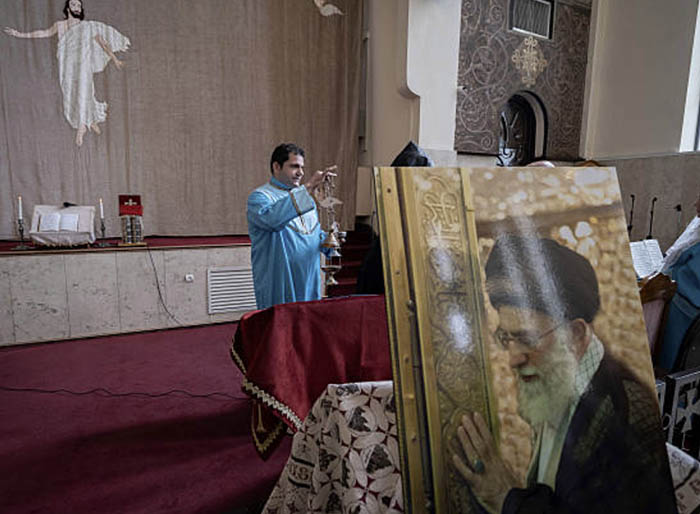
Prayer Ceremony for Late Supreme Leader Ali Khamenei, The bloodthirsty dictator Amid Ceasefire Tensions
Introduction The death of Ali Khamenei on April 8, 2026, has sent shockwaves across Iran and the wider Middle East, … Continue reading ➝
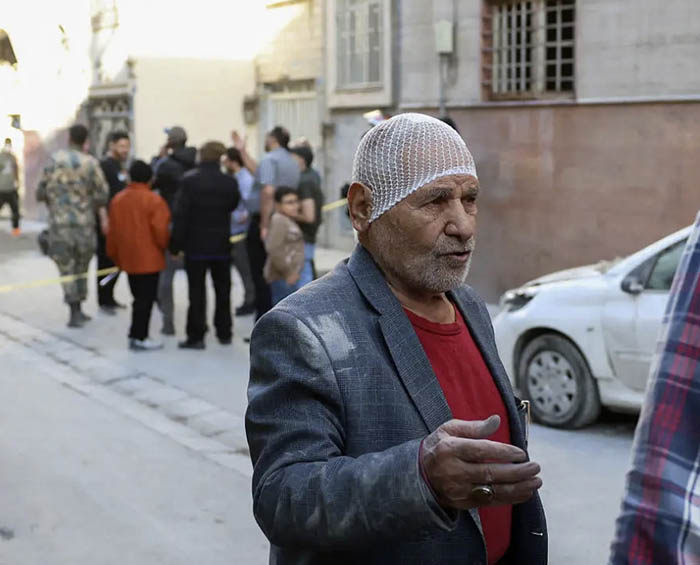
Israeli-American Strikes in Tehran 2026: Synagogue Destroyed Amid Escalating War
Introduction The ongoing conflict between Iran, Israel, and the United States has reached a devastating new chapter. On April 7, … Continue reading ➝