Sam Asghari Walks the Runway at the Blue Jacket Fashion Show Los Angeles 10th Anniversary
The Blue Jacket as a Fashion Symbol
The blue jacket is the central visual element of the initiative.
Fashion is particularly effective at creating symbols because clothing is immediately visible. A jacket can be photographed, redesigned, styled, shared online, and recognized across different events.
At the Blue Jacket Fashion Show, designers and participants have repeatedly interpreted the concept in different ways.
That flexibility is important.
The goal is not to create a single uniform outfit. Instead, designers can use their own aesthetic language while maintaining the recognizable blue-jacket identity.
This creates a runway that can include classic tailoring, contemporary menswear, luxury fashion, casual interpretations, avant-garde silhouettes, and celebrity styling.
The result is visually varied while maintaining a common message.
In 2025, for example, Los Angeles coverage described designers including Tommy Hilfiger and Epperson among the creatives contributing interpretations of the blue jacket, alongside designers and brands including Perry Ellis International, Urban Zen, Rubin & Chapelle, and Diana Mahrach.
The fashion element therefore serves two functions.
First, it makes the event visually compelling.
Second, it gives participants a common symbol around which the health conversation can be organized.
W Hollywood Becomes a Stage for Men’s Health Awareness
The September 29, 2026 event took place at W Hollywood, placing the Blue Jacket Fashion Show in one of Los Angeles’s most recognizable entertainment environments.
Hollywood is synonymous with celebrity culture, film premieres, television, fashion events, red carpets, and media attention.
Holding a men’s health event in this setting creates a deliberate contrast.
A runway is normally associated with beauty, style, luxury, and entertainment.
The Blue Jacket Fashion Show uses that same environment to talk about cancer.
The result is a hybrid event where entertainment and public health coexist.
For photographers, the event provides visually compelling celebrity imagery.
For fashion media, it provides runway content.
For entertainment outlets, it provides celebrity appearances.
For healthcare organizations, it provides an opportunity to communicate about prostate cancer.
For attendees, it provides an environment in which conversations about men’s health can become more socially visible.
That combination helps explain why the Blue Jacket Fashion Show has continued to attract public figures.
Celebrities at the 2026 Los Angeles Blue Jacket Fashion Show
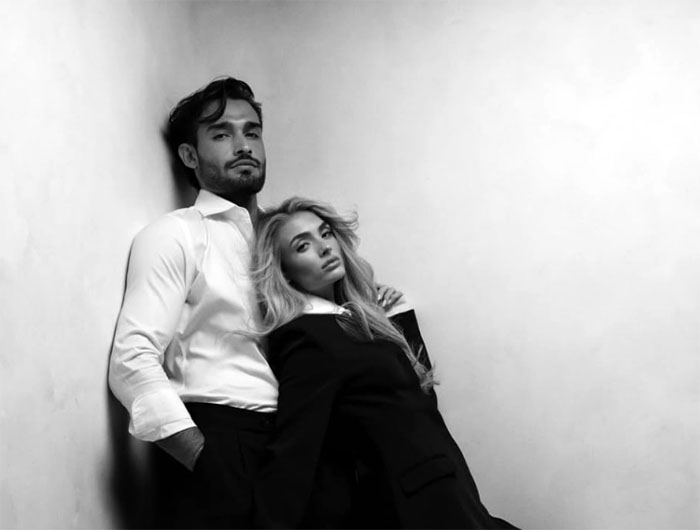
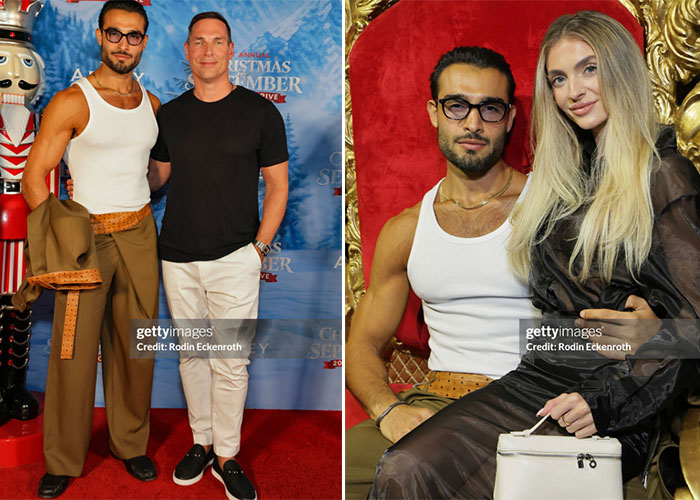
Sam Asghari was one of several recognizable names associated with the 2026 Los Angeles event.
Coverage of the evening identified performers and personalities from television, film, music, sports, fashion, and entertainment.
Among those appearing on the runway were Gleb Savchenko, Ian Ziering, Jon B, Everett Osborne, Brett Brown, Ricco Ross, Terrence Terrell, David Lascher, Jordan Wisely, Jonathan Tanigaki, Rodney Peete, Corey Calliet, and Dante Young, among others.
The broad mix of personalities is part of the event’s strategy.
Prostate cancer is not exclusively a medical issue.
It affects families, partners, friends, workplaces, communities, and individuals.
Bringing together people from different sectors communicates the idea that men’s health should not remain confined to a doctor’s office.
The presence of entertainment figures can help normalize conversations about health.
The presence of athletes can connect the issue to physical fitness and performance.
The presence of physicians can provide medical expertise.
The presence of designers connects the event to fashion.
And the presence of advocates provides personal and community perspectives.
Physicians Join the Runway
One of the most notable elements of the Los Angeles event was the participation of medical professionals.
The Knockturnal reported that four physicians associated with the prostate cancer awareness effort participated alongside the celebrity and fashion community: Dr. Matthew Rettig of UCLA, Dr. Jun Gong of Cedars-Sinai, Dr. Przemyslaw Twardowski of Providence, and Dr. Daniel Daneshvar of UC Irvine, with interviews conducted by UCLA nurse practitioner Nazy Zomorodian.
Their presence emphasizes the connection between entertainment and medicine.
A celebrity can attract attention, but medical professionals help connect awareness to evidence-based healthcare information.
This distinction is important.
A fashion show cannot diagnose prostate cancer.
A celebrity cannot determine whether an individual should undergo screening.
Those decisions belong in conversations between individuals and qualified healthcare professionals.
What a public event can do is encourage people to begin those conversations.