Roozbeh Eskandari’s Relation with Mohammad Khatami and Political Context
The political landscape of Iran has been tumultuous for decades, marked by revolutionary upheavals, social unrest, and ongoing struggles for reform and human rights. Central to this landscape are the figures of celebrities and public personalities who often serve as cultural icons, but also as political actors. In recent years, the Iranian diaspora, particularly in Western countries like Canada, the United States, and European nations, has played a significant role in advocating for change, exposing government abuses, and supporting protests against the Islamic Republic.
Amidst this backdrop, some Iranian celebrities have aligned themselves with the regime, engaging in government propaganda and defending policies that many in the international community view as oppressive. Conversely, others have taken courageous stances against the regime, risking exile and social ostracism. The role of these figures is complex, often reflecting personal, political, and ideological conflicts.
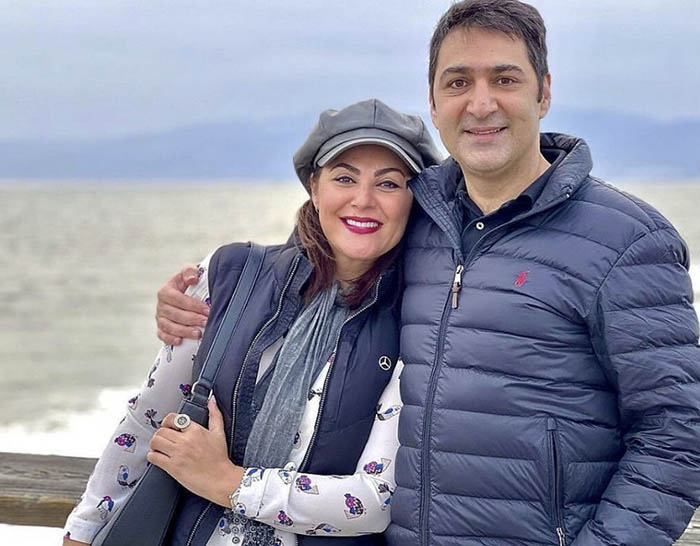
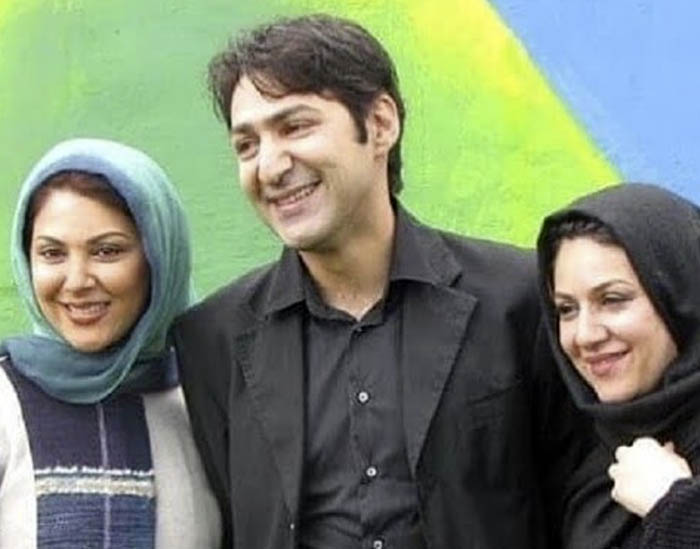
This article examines one such figure—Roozbeh Eskandari—brother of well-known Iranian actresses Setareh Eskandari and Laleh Eskandari. It provides an in-depth analysis of his recent activities, family background, and his controversial statements criticizing whistleblowers and protesters. We will explore the broader implications for Iranian activism, diaspora politics, and the international narrative surrounding Iran’s internal conflicts.
Profile of Roozbeh Eskandari
Roozbeh Eskandari background is intertwined with the cultural fabric of Iran, being part of a family that has achieved fame through acting and media presence. His sisters, Setareh and Laleh Eskandari, are prominent film and television actresses in Iran, known for their roles in popular dramas and movies. Historically, the Eskandari family has maintained a public image aligned with the status quo, often participating in government-promoted cultural events.
However, in recent years, Roozbeh has emerged as a vocal figure on international platforms, especially in Western media outlets. He has positioned himself as an environmental expert and a critic of the Iranian regime, often speaking from abroad—most notably from Canada—about issues of social justice, human rights, and political reform.
His recent public statements have attracted significant attention, especially his video released last night. In this video, Roozbeh openly criticizes Iranian whistleblowers and figures within the diaspora who support the protests. He questions the motives behind their activism, asking whether they have ever had a genuine connection to the system they oppose or if their actions are driven by foreign interests.
The Significance of Roozbeh Eskandari’s Recent Video
In the latest video, Roozbeh Eskandari challenges the narrative of Iranian whistleblowers—those who expose government corruption and human rights abuses. He criticizes them for allegedly betraying Iran and questions their loyalty. He also targets the celebrity agents and influencers in the diaspora, accusing them of repeating government propaganda and undermining the genuine movement for change.
Roozbeh’s words reflect a broader debate within the Iranian community about loyalty, activism, and the true nature of resistance. His questioning of “People’s Judgment”—a reference to the popular protests and the desire for justice—raises critical questions about the authenticity and motives of those advocating for reform.
The Role of Celebrities in Iranian Propaganda and Resistance
Iranian celebrities like Setareh and Laleh Eskandari have historically played a dual role. On the one hand, they are cultural icons, shaping public opinion through their art and social media. On the other, some have been accused of acting as tools of the regime, promoting government narratives and discrediting opposition.
In exile, many of these figures face a dilemma: supporting their country’s regime or standing with the protesters risking exile, social backlash, or worse. The use of social media platforms like Clubhouse and Instagram has amplified their influence, making them key players in shaping diaspora perspectives.
February 12, 2026 | 10:22 pm