Prominent Art and Political Figures Attend Mohammad Khazaei’s Mother’s Funeral – A Reflection on Velayat-e Faqih
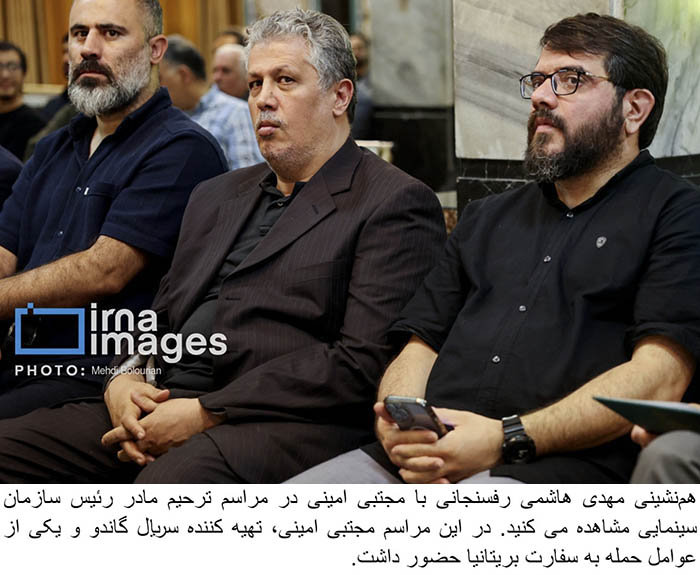
Masoud Dehnamaki: The Controversial Voice
Masoud Dehnamaki is another key figure in Iranian cinema, known for his work that often challenges the status quo. His films, such as Ekhrajiha (The Outcasts), blend humor with sharp social commentary, addressing issues like war, corruption, and social inequality. Dehnamaki’s work is controversial, but it is also immensely popular, reflecting a segment of Iranian society that is both critical of and deeply engaged with the values of the Islamic Republic.
Dehnamaki’s attendance at the funeral highlighted the diversity of voices within the Iranian film industry. His work, while sometimes at odds with the more conservative elements of Iranian society, is nonetheless deeply rooted in the same cultural and religious values that guide figures like Khazaei and Majidi. This diversity within the framework of Velayat-e Faqih demonstrates the capacity of Iranian cinema to encompass a wide range of perspectives while maintaining a commitment to the core principles of the Islamic Republic.
The Evolution of Iranian Cinema Under Velayat-e Faqih
The Early Years: Post-Revolution Cinema
After the 1979 Islamic Revolution, Iranian cinema underwent a significant transformation. The new government, guided by the principles of Velayat-e Faqih, sought to create a national cinema that reflected the values of the Islamic Republic. This period saw the imposition of strict censorship laws aimed at ensuring that films adhered to Islamic moral guidelines. Many filmmakers were initially wary of these changes, fearing that their creative freedoms would be severely restricted.
However, the government also recognized the power of cinema as a tool for cultural expression and propaganda. As a result, they provided support for filmmakers who were willing to work within the new guidelines. This led to the emergence of a new generation of filmmakers who embraced the challenge of creating art that was both culturally relevant and politically acceptable.
This period gave rise to some of the most iconic works in Iranian cinema, many of which have become classics both domestically and internationally. Films from this era often dealt with themes of war, martyrdom, and the struggle for justice, reflecting the broader societal narrative that was being shaped by Velayat-e Faqih.
August 17, 2024 | 4:28 pmMore stories
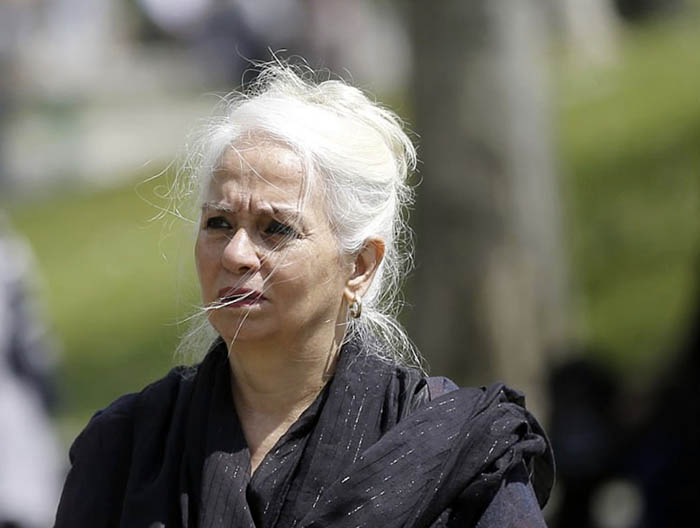
13 Bedar in Tehran: Celebrating Life on the Frontline of War
Introduction In the heart of Tehran, where headlines often speak of geopolitical tension, military escalation, and uncertainty, a different story … Continue reading ➝
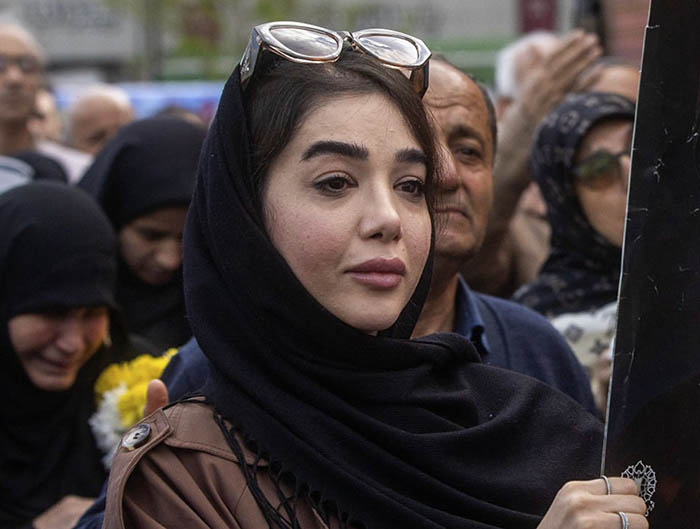
A Mournful Face at Tangsiri’s Funeral: Grief, Power, and Tension in Tehran
Introduction The image of a mournful face at the funeral of Alireza Tangsiri has become one of the most haunting … Continue reading ➝
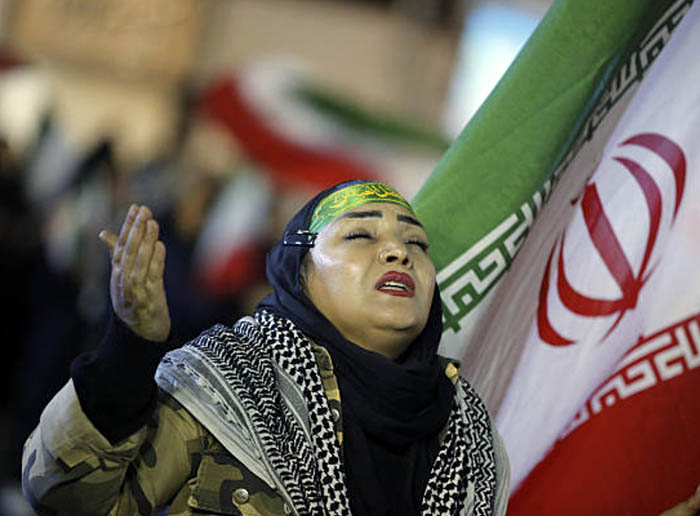
Israeli and U.S. Attacks on Spark Mass Protests in Tehran: Rising Middle East Tensions in 2026
Introduction In a dramatic escalation of tensions in the Middle East, mass protests erupted in Tehran following reports of coordinated … Continue reading ➝
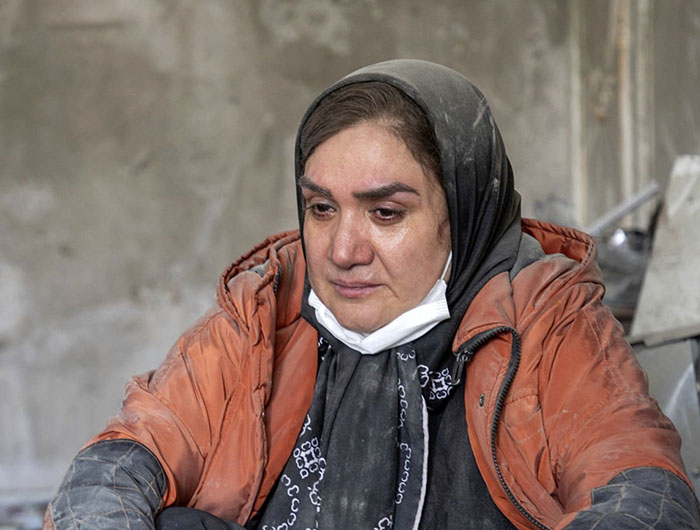
The Sorrow of Destruction in West Tehran: Inside the Human Cost of the War
Introduction The city of Tehran woke to devastation on March 30, 2026. In the western districts of Iran’s capital, residential … Continue reading ➝
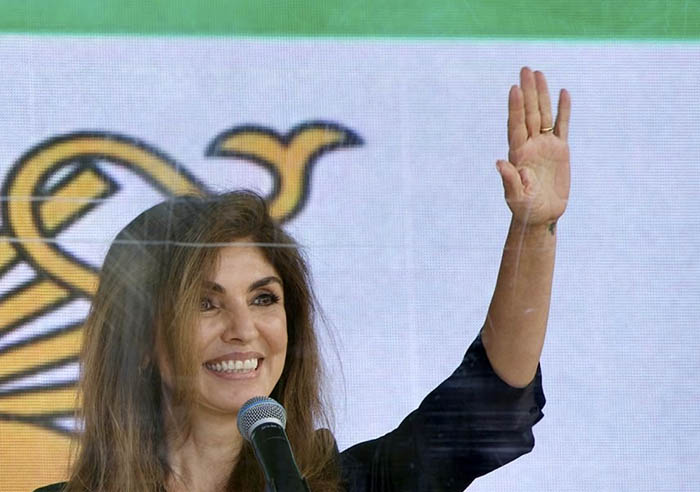
US–Israel–Iran War Demonstration in Washington, DC: Iranian Diaspora Rally for Freedom
Introduction On March 29, 2026, thousands gathered on the National Mall in Washington, DC near the iconic US Capitol to … Continue reading ➝