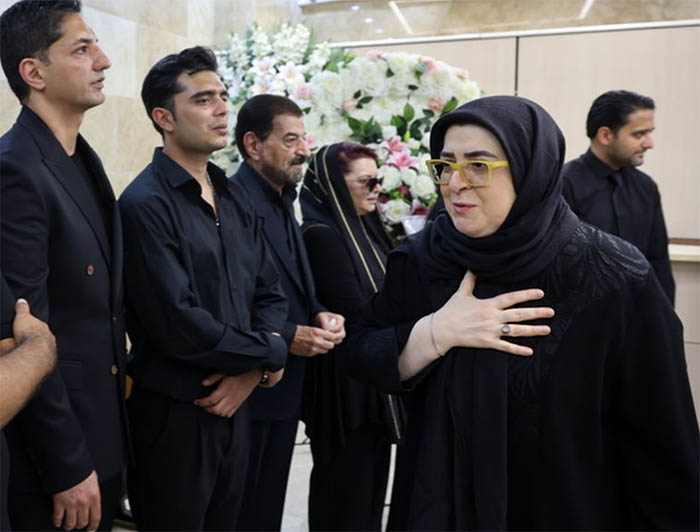
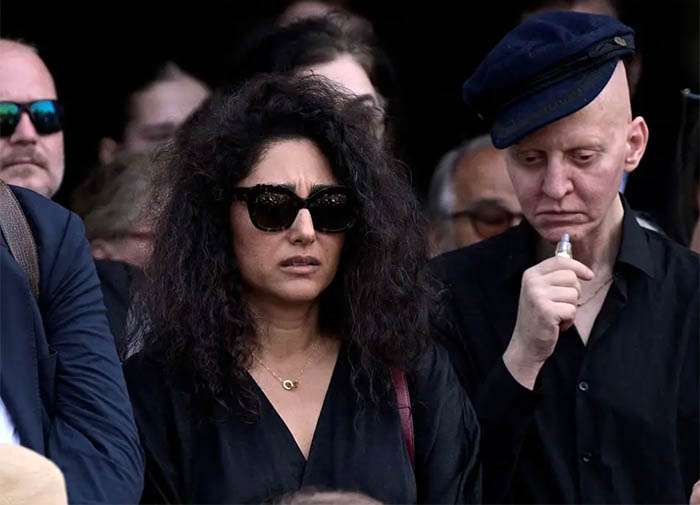
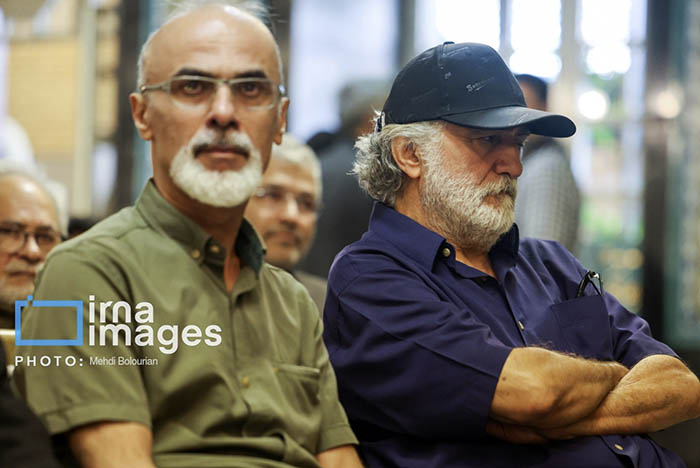
Prominent Art and Political Figures Attend Mohammad Khazaei’s Mother’s Funeral – A Reflection on Velayat-e Faqih
The Golden Age: International Recognition
The 1990s and early 2000s are often referred to as the “Golden Age” of Iranian cinema. During this time, Iranian filmmakers began to gain international recognition for their work, winning numerous awards at major film festivals around the world. Directors like Abbas Kiarostami, Mohsen Makhmalbaf, and Jafar Panahi became household names in the global film community.
While these filmmakers often pushed the boundaries of what was acceptable within the framework of Velayat-e Faqih, they also managed to create works that were deeply reflective of Iranian society. Their films explored themes such as identity, family, and the human condition, all while navigating the complex landscape of censorship and political oversight.
The success of these filmmakers helped to elevate Iranian cinema on the world stage, demonstrating that it was possible to create art that was both culturally specific and universally resonant. This period also saw a softening of censorship policies, as the government recognized the potential of cinema to enhance Iran’s cultural diplomacy.
Contemporary Iranian Cinema: Navigating Challenges
In recent years, Iranian cinema has faced new challenges as the political and social landscape of the country has evolved. The government’s relationship with the film industry has become more complex, with ongoing debates about the role of censorship, the depiction of social issues, and the influence of Western culture.
Despite these challenges, Iranian filmmakers continue to produce work that is both artistically innovative and culturally significant. The influence of Velayat-e Faqih remains strong, but there is also a growing recognition of the need to engage with contemporary issues in a way that resonates with modern audiences.
Figures like Mohammad Khazaei have played a crucial role in guiding the industry through this period of change. His leadership has been marked by a commitment to preserving the cultural integrity of Iranian cinema while also encouraging innovation and creativity. This balance is crucial as Iranian cinema continues to navigate the complexities of a rapidly changing world.