Political Protests 2026: Memorials, Anti-Government Movements, and the Future of Political Landscape
Memorial Ceremonies for Protest Victims: Significance and Impact
Memorial ceremonies in Iran, especially those marking the 40th day after a loved one’s death—known as “Chaharshanbe Suri”—are culturally significant. On February 17, 2026, thousands gathered at the Tehran Musalla to honor those killed in protests, calling attention to the ongoing violence.
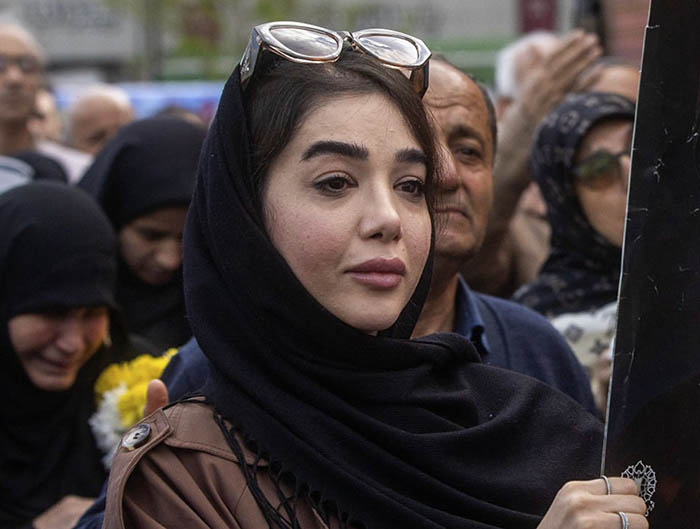
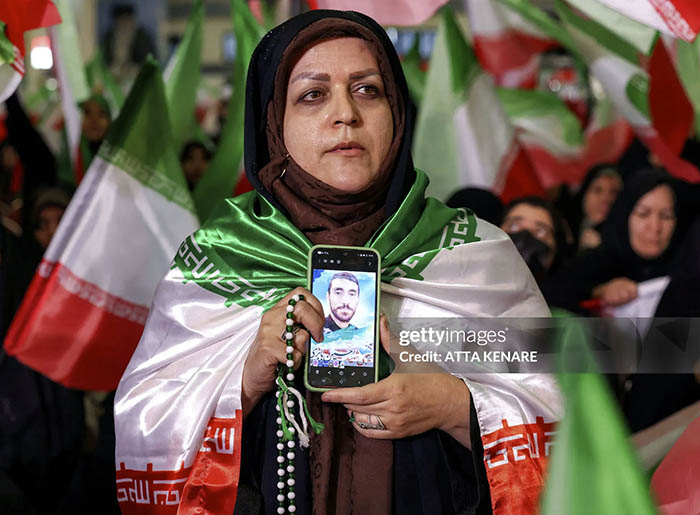
During these events, families and activists hold photographs of slain protesters, loudly lament their loss, and call for justice. The memorial at Tehran’s Musalla drew prominent political figures, including Iran’s First Vice President Mohammad Reza Aref and government spokesperson Fatemeh Mohajerani. Their attendance underscores the event’s importance in Iran’s political discourse.
The memorials serve several critical functions:
- Honoring Martyrs: Recognizing those who sacrificed their lives for freedom and justice.
- Mobilizing Support: Reinforcing collective identity among protesters and sympathizers.
- International Awareness: Drawing global attention to Iran’s human rights violations and political repression.
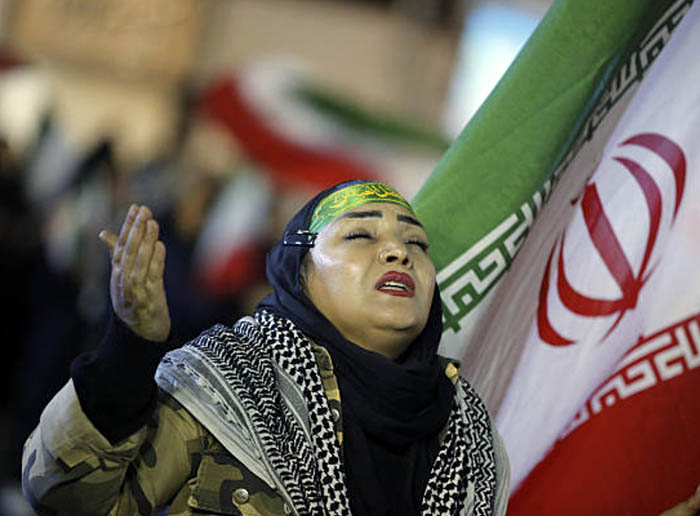
In addition, images of protesters confronting government officials—such as a woman draped in the Iranian flag—highlight the emotional intensity and resilience of Iran’s civil society.
February 17, 2026 | 9:57 pm