Political Protests 2026: Memorials, Anti-Government Movements, and the Future of Political Landscape
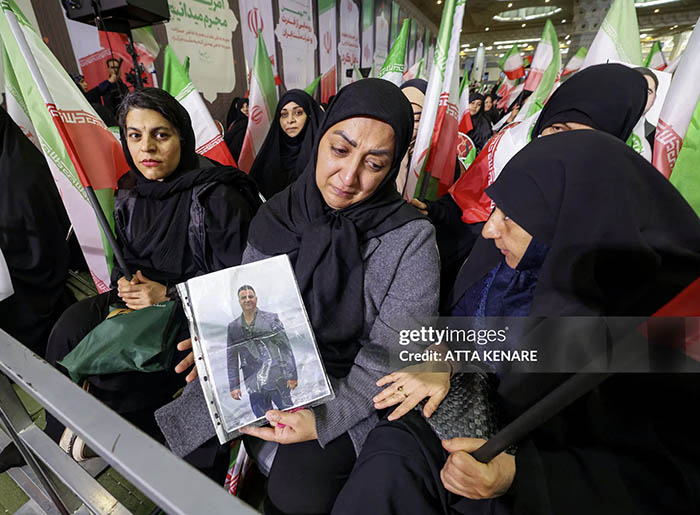
The killing of peaceful protesters by government forces, including the Islamic Revolutionary Guard Corps (IRGC) and Basij militia, in January 2026 marks a tragic and alarming escalation in Iran’s ongoing civil unrest. These acts of violence highlight the regime’s brutal tactics to suppress dissent and maintain control amidst widespread demands for political reform, human rights, and social justice.
The Tragic Events of January 2026
In January 2026, Iran witnessed a series of brutal crackdowns on peaceful demonstrations across multiple cities. Despite the protests being largely peaceful, security forces—primarily the IRGC and Basij militia—employed live ammunition, tear gas, and mass arrests to disperse crowds. Human rights organizations have reported that dozens of protesters, including women, children, journalists, and activists, were killed during these operations.
The Role of IRGC and Basij in Suppressing Protests
The IRGC (Islamic Revolutionary Guard Corps) and Basij militia are paramilitary forces historically tasked with safeguarding the Islamic regime. During protests, these forces act as the regime’s primary instruments of repression, often employing excessive and lethal force. Their involvement in January 2026 was reportedly premeditated and coordinated, with reports indicating that snipers and security units targeted crowds indiscriminately.
International Condemnation and Human Rights Violations
The massacre of peaceful protesters drew immediate condemnation from international human rights organizations, including Amnesty International, Human Rights Watch, and the United Nations. These groups described the killings as gross violations of human rights, emphasizing that the Iranian government had used excessive force against unarmed civilians.
February 17, 2026 | 9:57 pmMore stories
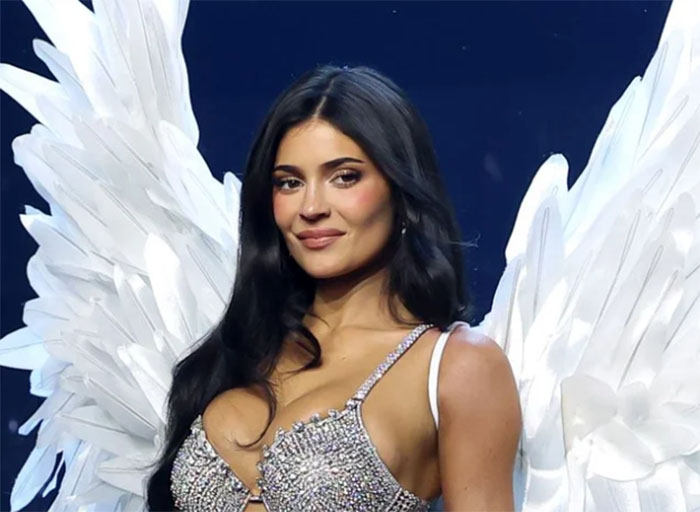
Kylie Jenner Makes Victoria’s Secret Fashion Show Debut in $50 Million Fantasy Bra
Introduction Babak Takhti is an Iranian writer, publisher and the only son of Gholamreza Takhti, the legendary Iranian freestyle wrestler … Continue reading ➝
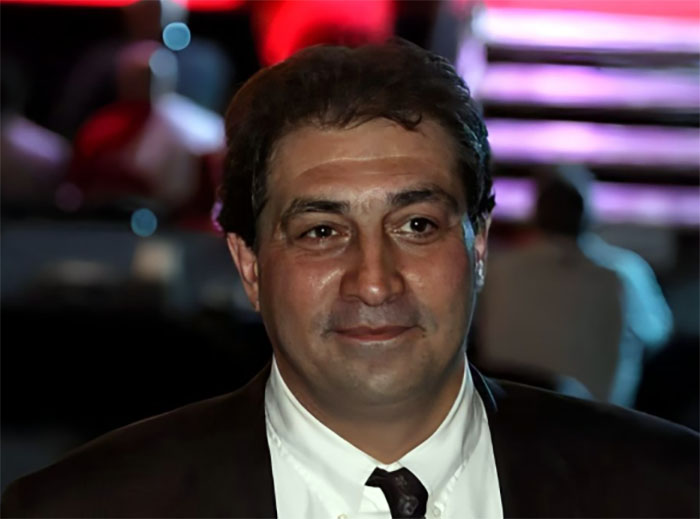
Who Is Babak Takhti? Gholamreza Takhti’s Only Son, His Family, Career, and His Father’s Controversial Death
Introduction Babak Takhti is an Iranian writer, publisher and the only son of Gholamreza Takhti, the legendary Iranian freestyle wrestler … Continue reading ➝
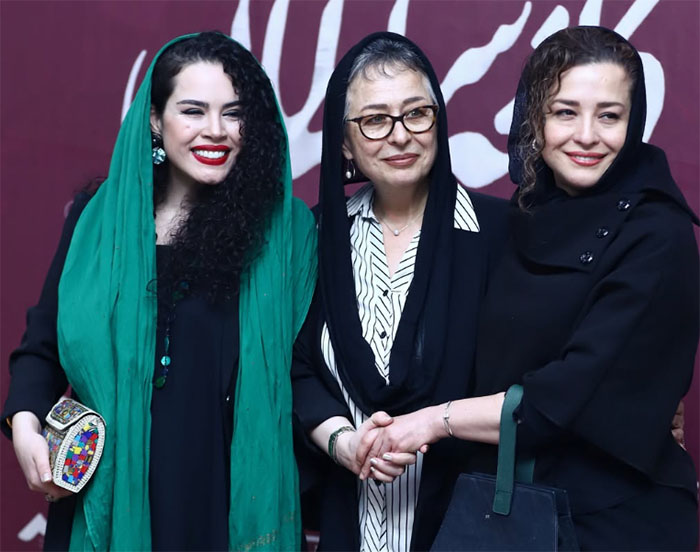
Azita Hajian, Mehraveh Sharifinia and Melika Sharifinia Attend Cafe Soltan Private Screening at Megamall Cinema
Introduction The private screening of Cafe Soltan, the Iranian feature film directed by Mostafa Razagh-Karimi and produced by Morteza Razagh-Karimi, … Continue reading ➝
Bot (Bet) Movie: Hamid Nematollah’s Drama Holds Private Screening at Galleria Cinema Complex
Introduction The Iranian social drama Bot, also transliterated as Bet and associated with the English title Idol, has attracted attention … Continue reading ➝
10 Fascinating Stories About Most Famous Actresses: Behind-the-Scenes Secrets From Iconic Films and TV Shows
Introduction 1. Gohar Kheirandish in Banoo: The Makeup That Could Not Hide Her Beauty Film: Banoo (The Lady) Director: Dariush … Continue reading ➝