Night Gatherings in Tehran During Wartime in Vanak and the Transformation of Urban Space
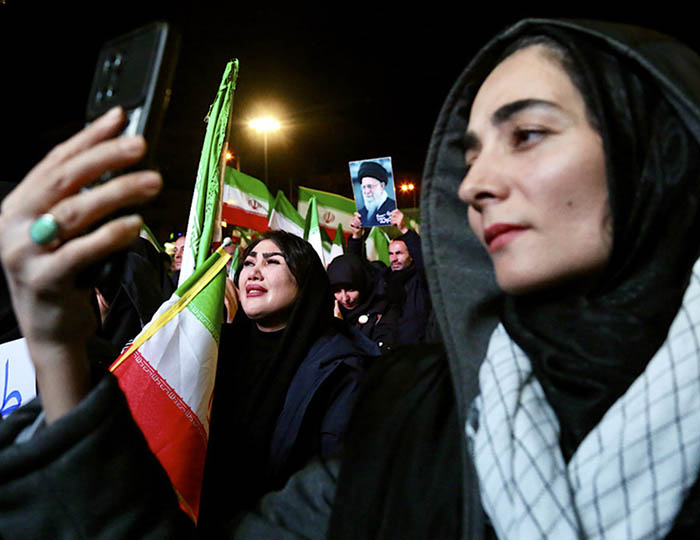
Ultimately, the significance of nighttime gatherings in Tehran during wartime lies in their ability to reveal the underlying resilience of the city and its. Through their presence in places like Vanak, individuals contribute to a collective narrative that extends beyond the immediate challenges of conflict. The night becomes a canvas on which the complexities of urban existence are displayed, highlighting the interplay between individual actions and shared experiences. In this sense, the gatherings are not merely responses to wartime conditions but integral components of the city’s identity, reflecting its capacity to adapt, endure, and continue functioning in the face of uncertainty.
As the patterns of nighttime gatherings in Tehran continue to evolve under wartime conditions, the interplay between visibility and invisibility becomes increasingly significant. In districts like Vanak, where wide intersections meet dense residential clusters, the ability to be seen and to remain unseen at the same time defines how people navigate public space after dark. The glow of streetlights and storefronts creates pockets of illumination, while side streets and building entrances offer moments of retreat. This duality allows gatherings to form and dissolve fluidly, without fixed boundaries or clear beginnings and endings, reinforcing the organic nature of urban interaction during periods of tension.
The continuity of these gatherings is closely tied to the adaptability of the population. Tehran’s residents are accustomed to adjusting their routines in response to shifting political and economic realities, and wartime conditions amplify this adaptability. In Vanak, this is reflected in the way people move through the area, often blending everyday activities with subtle forms of observation and participation. A simple evening walk, a at a café, or a brief conversation on a sidewalk can all become part of a larger pattern of that contributes to the collective atmosphere of the neighborhood. These micro-interactions accumulate over time, creating a sense of ongoing engagement that does not rely on formal organization.
March 29, 2026 | 7:36 pmMore stories

Kylie Jenner Makes Victoria’s Secret Fashion Show Debut in $50 Million Fantasy Bra
Introduction Babak Takhti is an Iranian writer, publisher and the only son of Gholamreza Takhti, the legendary Iranian freestyle wrestler … Continue reading ➝

Who Is Babak Takhti? Gholamreza Takhti’s Only Son, His Family, Career, and His Father’s Controversial Death
Introduction Babak Takhti is an Iranian writer, publisher and the only son of Gholamreza Takhti, the legendary Iranian freestyle wrestler … Continue reading ➝
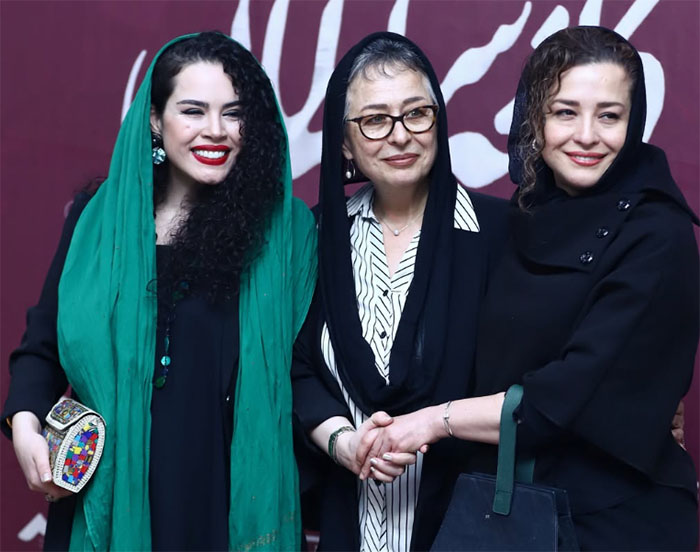
Azita Hajian, Mehraveh Sharifinia and Melika Sharifinia Attend Cafe Soltan Private Screening at Megamall Cinema
Introduction The private screening of Cafe Soltan, the Iranian feature film directed by Mostafa Razagh-Karimi and produced by Morteza Razagh-Karimi, … Continue reading ➝

Bot (Bet) Movie: Hamid Nematollah’s Drama Holds Private Screening at Galleria Cinema Complex
Introduction The Iranian social drama Bot, also transliterated as Bet and associated with the English title Idol, has attracted attention … Continue reading ➝
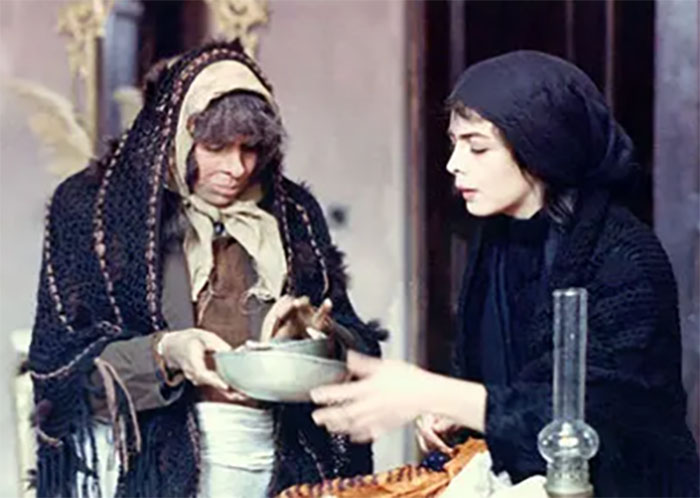
10 Fascinating Stories About Most Famous Actresses: Behind-the-Scenes Secrets From Iconic Films and TV Shows
Introduction 1. Gohar Kheirandish in Banoo: The Makeup That Could Not Hide Her Beauty Film: Banoo (The Lady) Director: Dariush … Continue reading ➝