Night Gatherings in Tehran During Wartime in Vanak and the Transformation of Urban Space
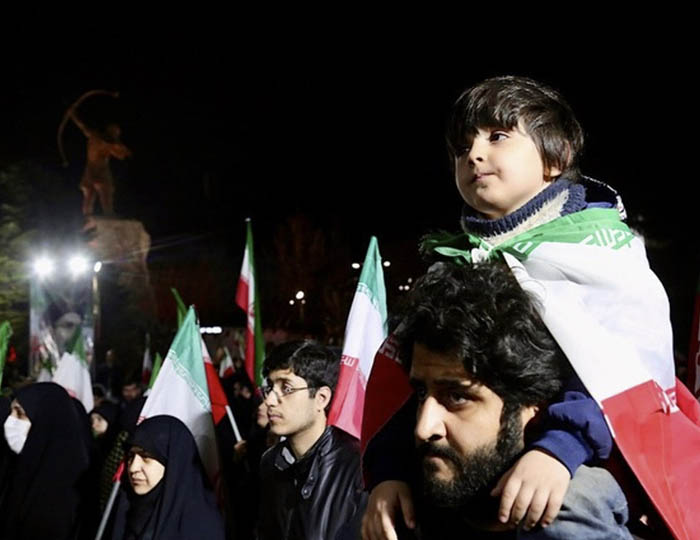
The symbolic dimension of nighttime gatherings is another layer that adds depth to their significance. In a city like Tehran, where public expression can be influenced by a range of factors, the act of simply being present in a shared space after dark can carry meaning beyond its. In Vanak, this symbolism is often subtle, embedded in gestures, conversations, and patterns of movement rather than explicit statements. The repetition of these patterns over multiple nights creates a sense of continuity, reinforcing the idea that the gatherings are not isolated events but part of an ongoing process.
Environmental factors, including seasonal changes and weather conditions, further shape the nature of these gatherings. During warmer periods, the appeal of being outdoors increases, leading to larger and more sustained in public spaces. In contrast, colder conditions may limit the duration of gatherings but do not necessarily eliminate them. Instead, they encourage different forms of interaction, such as shorter encounters or the use of semi-enclosed spaces. In Vanak, where the built environment offers a variety of options, this flexibility allows gatherings to adapt to changing without losing their characteristics.
The perception of time itself undergoes a transformation during wartime, particularly in the context of nighttime activity. The boundaries between day and night become less rigid, as individuals adjust their schedules to accommodate both practical needs and social considerations. In Vanak, this can result in a of evening hours, with activity continuing later into the night than might otherwise be expected. This extension of time contributes to the of gatherings, as it creates more opportunities for people to intersect and interact within the urban space.
March 29, 2026 | 7:36 pmMore stories

Kylie Jenner Makes Victoria’s Secret Fashion Show Debut in $50 Million Fantasy Bra
Introduction Babak Takhti is an Iranian writer, publisher and the only son of Gholamreza Takhti, the legendary Iranian freestyle wrestler … Continue reading ➝
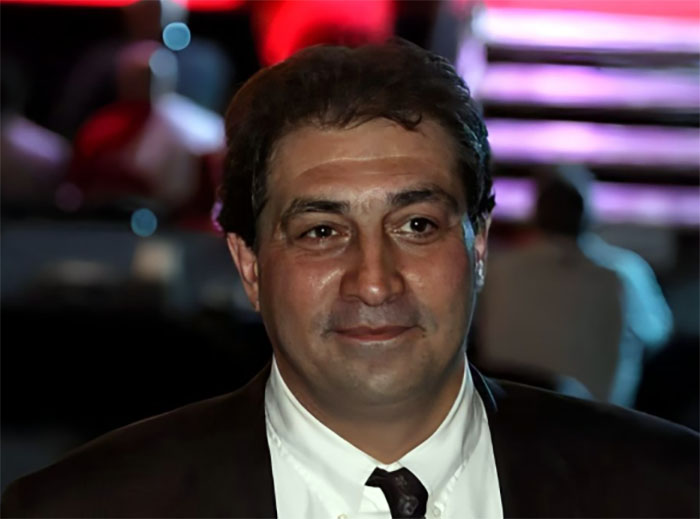
Who Is Babak Takhti? Gholamreza Takhti’s Only Son, His Family, Career, and His Father’s Controversial Death
Introduction Babak Takhti is an Iranian writer, publisher and the only son of Gholamreza Takhti, the legendary Iranian freestyle wrestler … Continue reading ➝
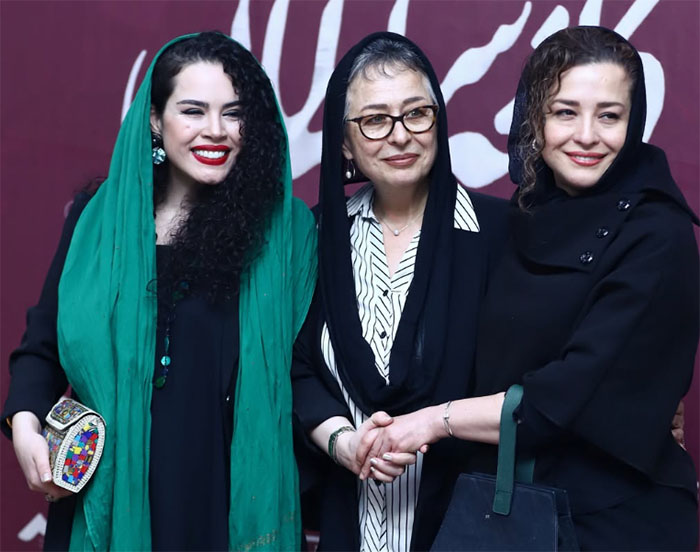
Azita Hajian, Mehraveh Sharifinia and Melika Sharifinia Attend Cafe Soltan Private Screening at Megamall Cinema
Introduction The private screening of Cafe Soltan, the Iranian feature film directed by Mostafa Razagh-Karimi and produced by Morteza Razagh-Karimi, … Continue reading ➝

Bot (Bet) Movie: Hamid Nematollah’s Drama Holds Private Screening at Galleria Cinema Complex
Introduction The Iranian social drama Bot, also transliterated as Bet and associated with the English title Idol, has attracted attention … Continue reading ➝
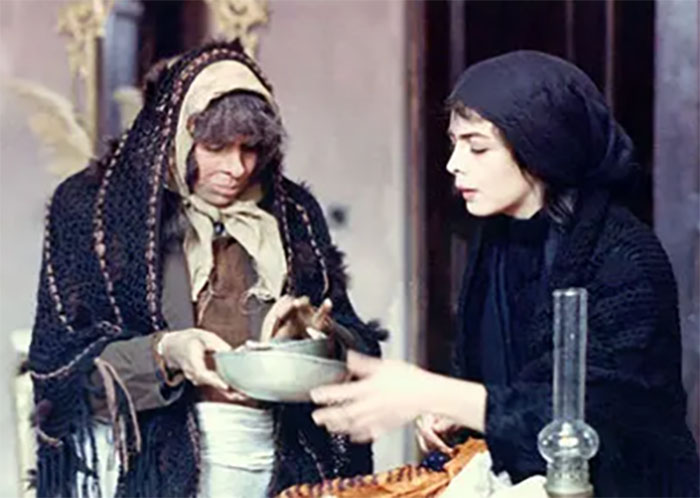
10 Fascinating Stories About Most Famous Actresses: Behind-the-Scenes Secrets From Iconic Films and TV Shows
Introduction 1. Gohar Kheirandish in Banoo: The Makeup That Could Not Hide Her Beauty Film: Banoo (The Lady) Director: Dariush … Continue reading ➝