The First Seconds of Occupation: Niavaran Palace Under the Shadow of Revolution
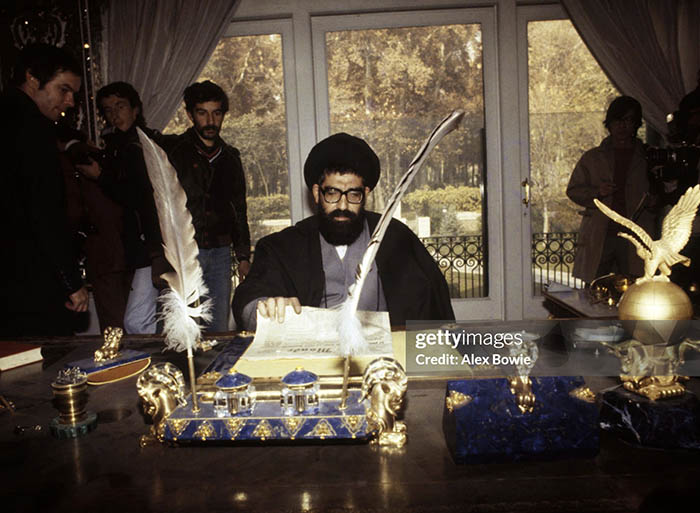
The Symbolism of Art and Power
Warhol’s Portrait: A New Revolutionary Perspective
One of the most poignant moments of early occupation was the realization that Warhol’s portrait of Farah Diba had become a symbol of the past—a modern, pop-art icon frozen in time. Its presence in the palace underscored the cultural shift: from monarchic grandeur to revolutionary iconography.
The portrait, once a celebration of royal beauty and modernity, now served as a reminder of the transient nature of power and the power of art to immortalize history. As revolutionaries moved through the palace, some paused to reflect on this image—an outsider’s artistic interpretation of a woman who symbolized the imperial family.
The Transition of Symbols in the Palace
The gold telephones, portraits, and artifacts collectively narrated the story of a regime’s rise and fall. The early moments of occupation involved not just physical takeover but a symbolic reclamation of space—transforming symbols of monarchy into relics of a bygone era.
September 26, 2025 | 4:00 pm