The First Seconds of Occupation: Niavaran Palace Under the Shadow of Revolution
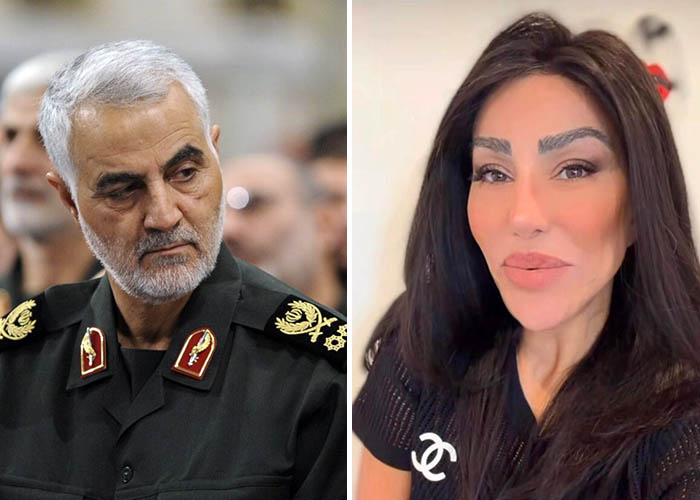
Introduction The recent announcement by the United States Department of State regarding the arrest and revocation of permanent residency for … Continue reading ➝
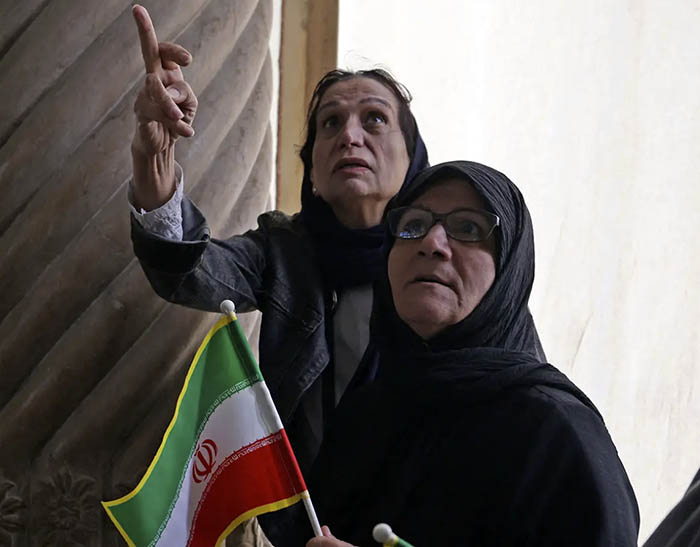
Introduction The unfolding Iran–Israel–US conflict in 2026 has not only intensified geopolitical tensions in the Middle East but has also … Continue reading ➝
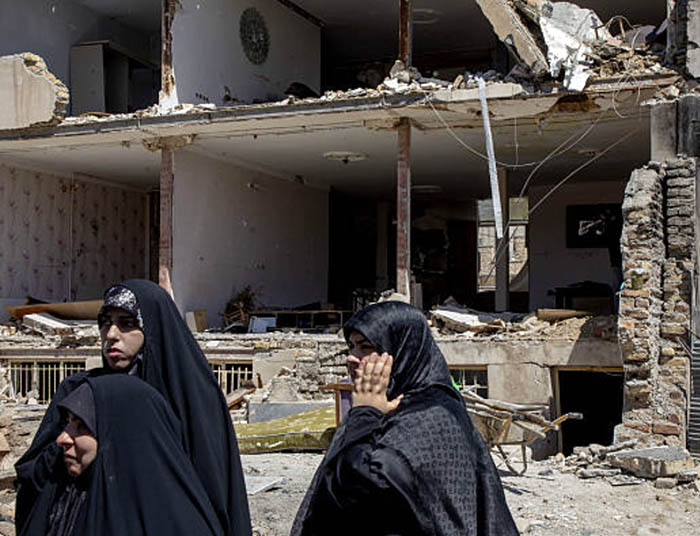
Introduction The escalating conflict involving United States, Israel, and Iran has rapidly evolved into one of the most dangerous geopolitical … Continue reading ➝
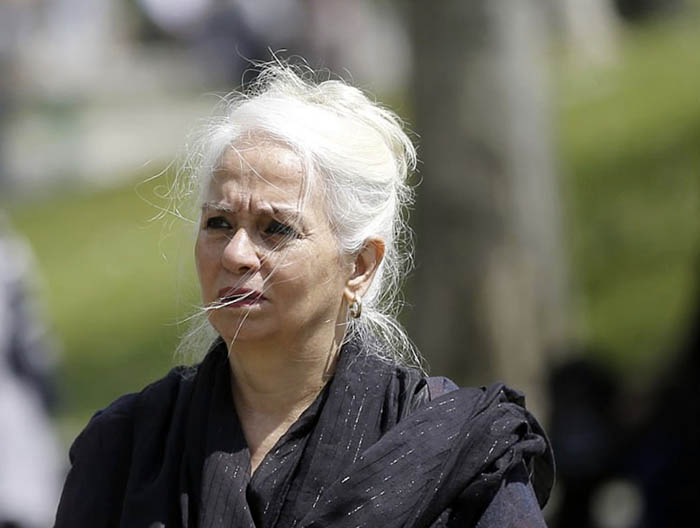
Introduction In the heart of Tehran, where headlines often speak of geopolitical tension, military escalation, and uncertainty, a different story … Continue reading ➝
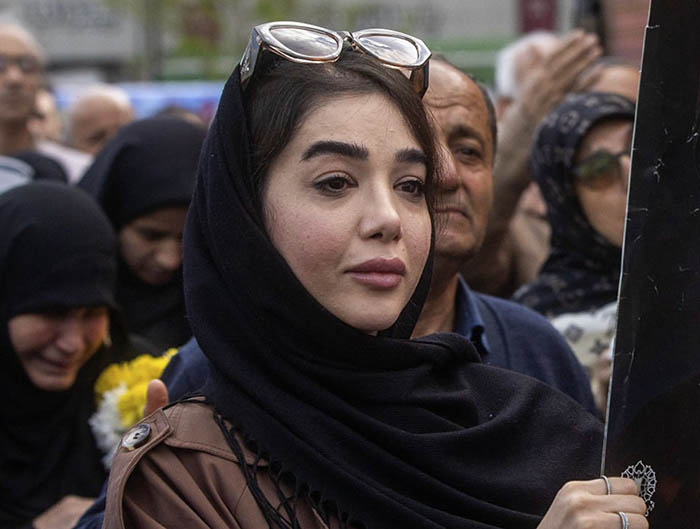
Introduction The image of a mournful face at the funeral of Alireza Tangsiri has become one of the most haunting … Continue reading ➝