Nadereh Rezaei’s Dismissal: From the 97 Million NIS Paycheck to the Reaction to the Cancellation of Homayoun Shajarian’s Concert
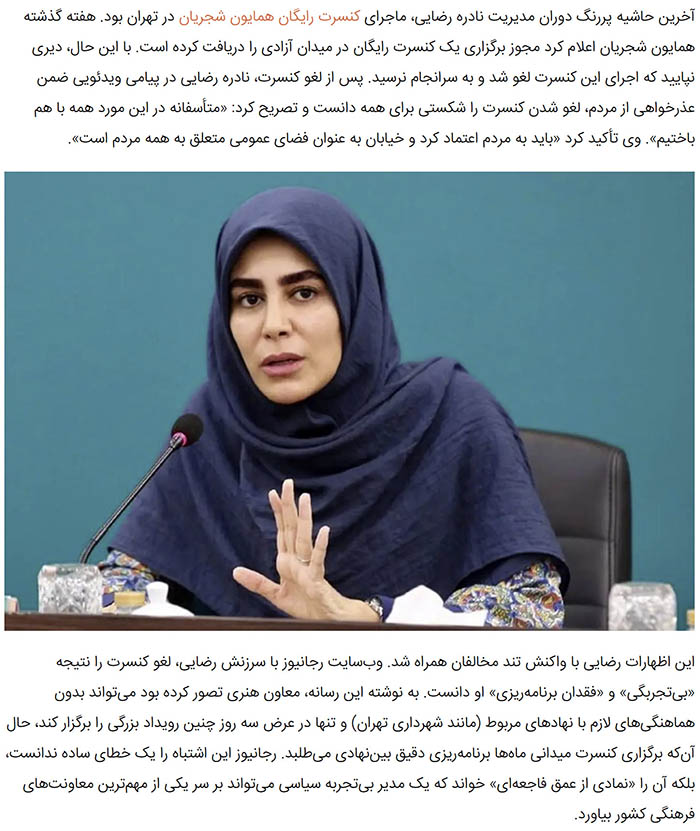
In-Depth Analysis: The Intersection of Politics, Culture, and Society
The Political Climate in Iran During Rezaei’s Tenure
Rezaei’s rise to the deputy ministerial position occurred during a period of heightened political tension within Iran—marked by the reformist versus conservative struggle. Her appointment was viewed as a symbolic victory for reformists advocating for greater cultural openness and gender inclusion. However, her tenure also coincided with a resurgence of conservative influence, which sought to curb reformist initiatives and reassert traditional values.
The fallout from her salary revelation and cultural missteps reflected broader societal frustrations with corruption, elitism, and perceived disconnects between government officials and the public. The public’s reaction to her salary—equivalent to thousands of dollars per month—highlighted the growing economic disparity and dissatisfaction amid Iran’s economic crises.
The Role of Media and Social Media in Her Downfall
Media outlets, both state-affiliated and independent, played a pivotal role in shaping public perception of Nadereh Rezaei. Conservative outlets, such as Tasnim News Agency and Kayhan, relentlessly criticized her management style, alleged nepotism, and cultural conservatism. The social media landscape amplified these criticisms, with viral posts exposing her salary and scrutinizing her decisions.
Social media also became a battleground for ideological conflicts. Critics accused her of undermining Islamic values, while supporters viewed her as a progressive voice advocating for artistic and cultural freedoms. The social media backlash intensified after incidents like her “liking” of controversial videos and her handling of cultural festivals.
The Cultural Significance of the Homayoun Shajarian Incident
Homayoun Shajarian’s concert was more than just a musical event; it symbolized the struggle for artistic freedom in Iran. His father, Mohammad Reza Shajarian, was a legendary figure whose music often carried subtle messages of reform and resistance.
The cancellation of his concert was perceived as a direct attack on artistic expression and a victory for conservative factions aiming to suppress liberal cultural voices. Rezaei’s public apology was seen by many as a capitulation to ideological pressures, further undermining her credibility.
The Political Ramifications of Her Dismissal
Her removal from office signified a broader political signal: even reformist-leaning officials could face repercussions if perceived as too independent or controversial. It underscored the limits of reformist influence within Iran’s political system, especially in sensitive areas like culture and media.
This dismissal also raised questions about the future of women in Iran’s political hierarchy. Rezaei’s rise as a pioneering female leader was celebrated by reformists, but her fall demonstrated the fragile nature of women’s political empowerment in Iran.
September 9, 2025 | 11:58 amMore stories
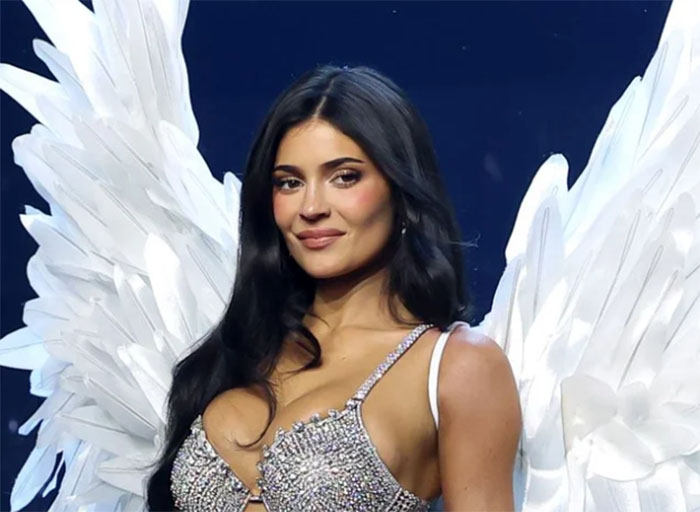
Kylie Jenner Makes Victoria’s Secret Fashion Show Debut in $50 Million Fantasy Bra
Introduction Babak Takhti is an Iranian writer, publisher and the only son of Gholamreza Takhti, the legendary Iranian freestyle wrestler … Continue reading ➝

Who Is Babak Takhti? Gholamreza Takhti’s Only Son, His Family, Career, and His Father’s Controversial Death
Introduction Babak Takhti is an Iranian writer, publisher and the only son of Gholamreza Takhti, the legendary Iranian freestyle wrestler … Continue reading ➝
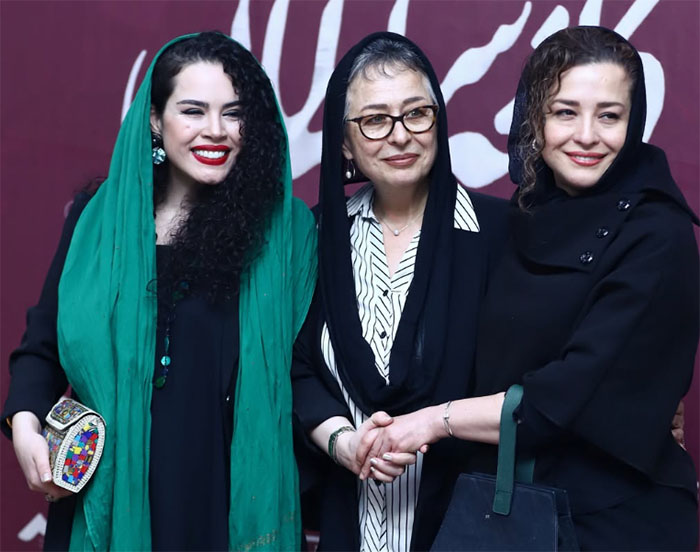
Azita Hajian, Mehraveh Sharifinia and Melika Sharifinia Attend Cafe Soltan Private Screening at Megamall Cinema
Introduction The private screening of Cafe Soltan, the Iranian feature film directed by Mostafa Razagh-Karimi and produced by Morteza Razagh-Karimi, … Continue reading ➝

Bot (Bet) Movie: Hamid Nematollah’s Drama Holds Private Screening at Galleria Cinema Complex
Introduction The Iranian social drama Bot, also transliterated as Bet and associated with the English title Idol, has attracted attention … Continue reading ➝
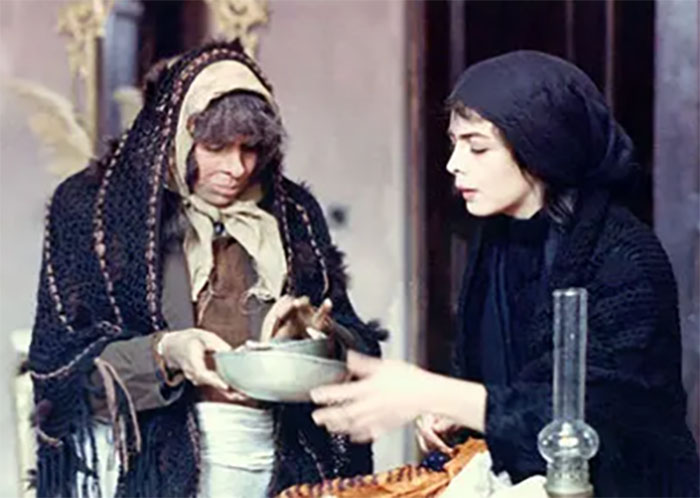
10 Fascinating Stories About Most Famous Actresses: Behind-the-Scenes Secrets From Iconic Films and TV Shows
Introduction 1. Gohar Kheirandish in Banoo: The Makeup That Could Not Hide Her Beauty Film: Banoo (The Lady) Director: Dariush … Continue reading ➝