9 Reasons Why Mehri Talebi Darestani’s “Hijab Addiction Clinic” Idea is Controversial and Anti-Freedom
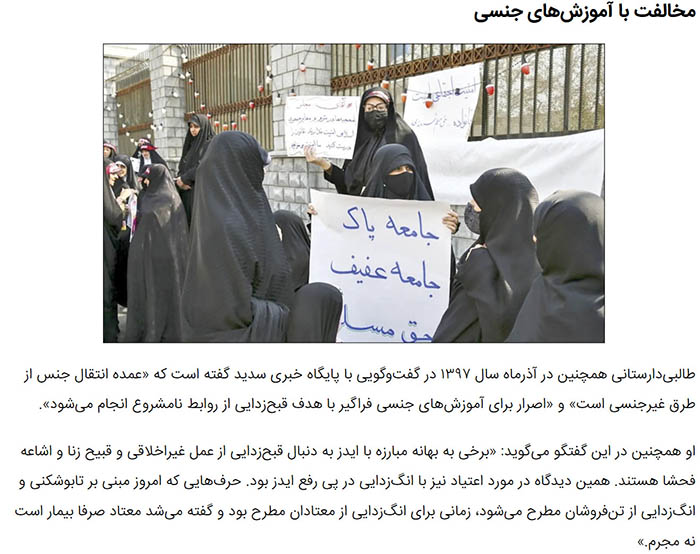
7. The Broader Cultural Impact of State-Enforced Morality
Darestani’s “Hijab Addiction Clinic” isn’t an isolated proposal; it’s reflective of a broader cultural trend in which the state tries to police personal morality and lifestyle. This kind of enforcement does not stop at the hijab but extends to various aspects of daily life, from education and social interactions to art, media, and public gatherings. Such restrictions place a damper on creative freedom, self-expression, and cultural evolution, leaving societies stagnant and increasingly disconnected from their global peers.
In the 21st century, the rise of the internet and social media has connected people across borders, exposing them to different perspectives, lifestyles, and freedoms. For young Iranians, many of whom seek more open-minded social policies, rigid enforcement of state-defined morality feels antiquated and alienating. Darestani’s proposal, therefore, intensifies this cultural divide between conservative political authorities and a populace that increasingly values individual choice and diversity of thought. In a world where cultural exchange is at an all-time high, forcing traditional ideologies through clinics or “rehabilitation” efforts risks creating resentment, division, and a sense of alienation within the society itself.
8. Mental Health and the Consequences of Coercive Policies
Darestani’s clinic idea does more than challenge individual freedoms; it also threatens the mental well-being of the people it targets. Enforcing behavior under the guise of “rehabilitation” can lead to deep-seated psychological effects, from anxiety and depression to feelings of shame and inadequacy. When people are made to feel that their choices or personal identity need “treatment,” they may internalize a sense of inferiority or guilt.
The toll of such policies on mental health is already evident in environments where rigid control over personal expression is the norm. Rather than addressing the root causes of discontent or societal friction, proposals like the “Hijab Addiction Clinic” sidestep the reality that many people are simply seeking personal autonomy. Enforcing compulsory behavior under threat of “treatment” creates a hostile environment that can lead to more harm than good, especially in younger populations who may already feel disconnected from the values imposed upon them.
Studies in psychology show that imposing restrictions on personal identity, especially for younger individuals, leads to feelings of anger, frustration, and helplessness. Many psychologists argue that empowering individuals with choice and respecting their autonomy fosters healthier, happier communities. Thus, the clinic proposal could potentially harm rather than help society at large.
More stories
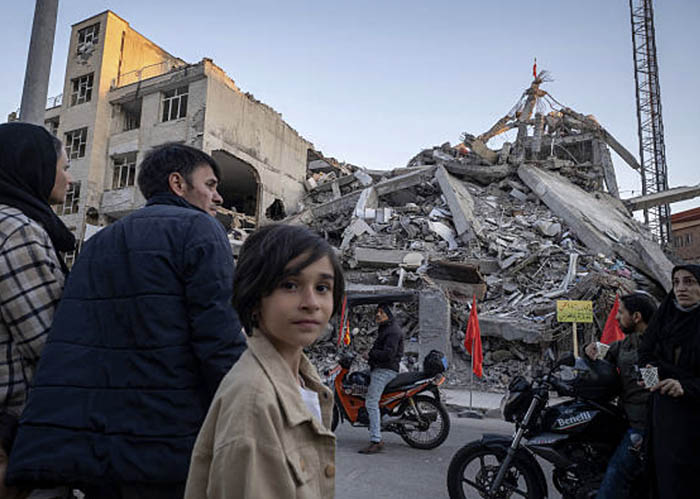
The Islamic Republic’s Instrumental Misuse of War Ruins: Propaganda
Introduction In the aftermath of the March 9 military strikes attributed to joint U.S.-Israeli operations, parts of residential Tehran were … Continue reading ➝
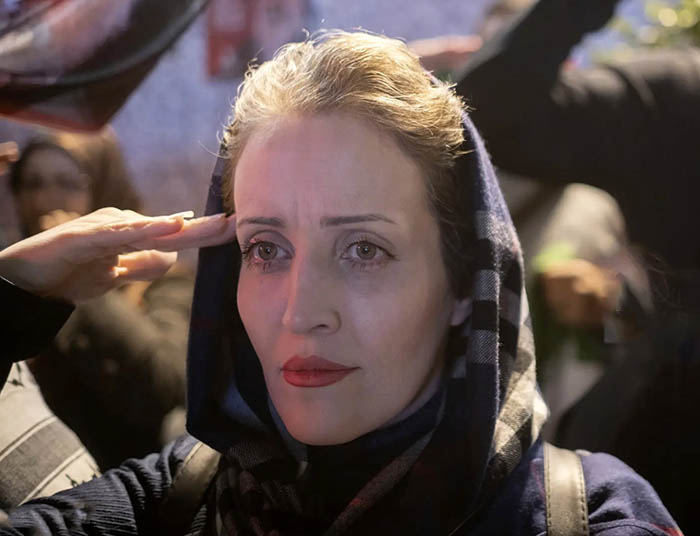
Iran Funeral Ceremony 2026: Rising Tensions After Killing of IRGC Intelligence Chief Majid Khademi
Introduction The funeral ceremony of Majid Khademi, the head of the Islamic Revolutionary Guard Corps (IRGC) Intelligence Organization, has become … Continue reading ➝
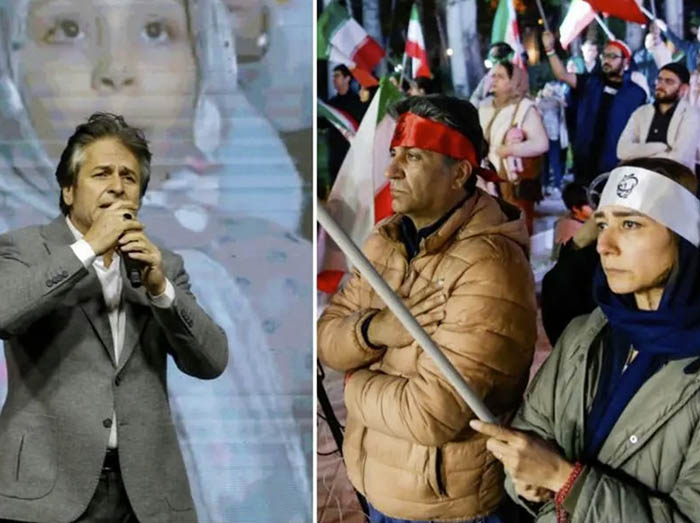
Tajik and Zanko Street Concert in Ferdows Garden: A Powerful Musical Tribute
Introduction On the evening of Tuesday, 18 Farvardin 1405, Ferdows Garden became the heart of an unforgettable cultural moment in … Continue reading ➝
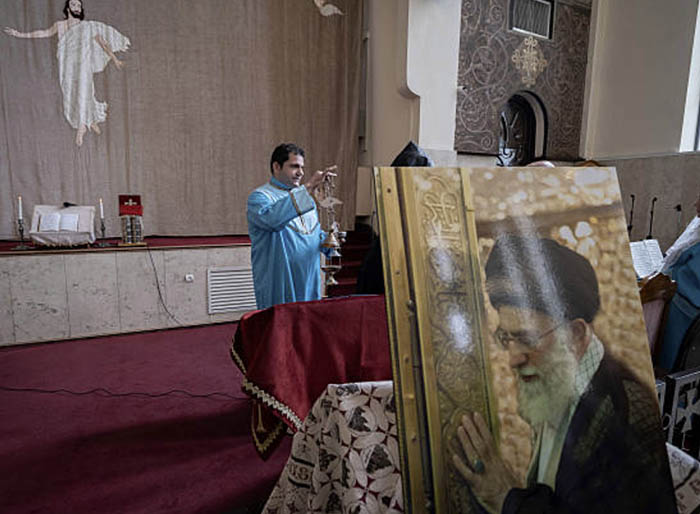
Prayer Ceremony for Late Supreme Leader Ali Khamenei, The bloodthirsty dictator Amid Ceasefire Tensions
Introduction The death of Ali Khamenei on April 8, 2026, has sent shockwaves across Iran and the wider Middle East, … Continue reading ➝
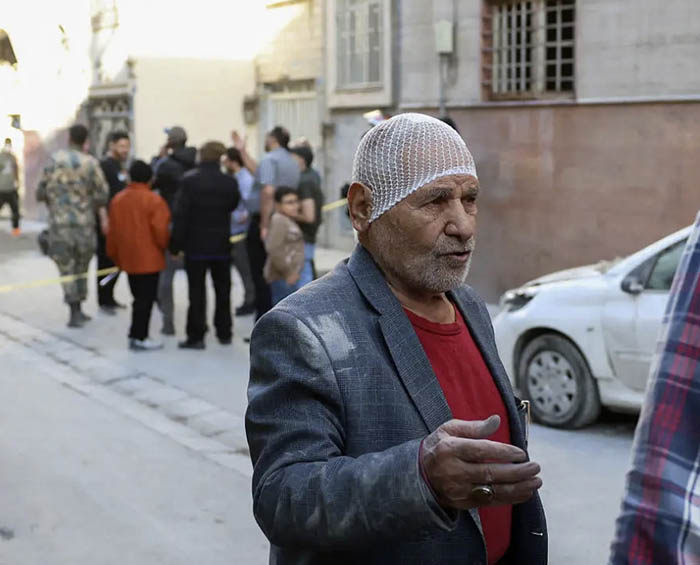
Israeli-American Strikes in Tehran 2026: Synagogue Destroyed Amid Escalating War
Introduction The ongoing conflict between Iran, Israel, and the United States has reached a devastating new chapter. On April 7, … Continue reading ➝