9 Reasons Why Mehri Talebi Darestani’s “Hijab Addiction Clinic” Idea is Controversial and Anti-Freedom
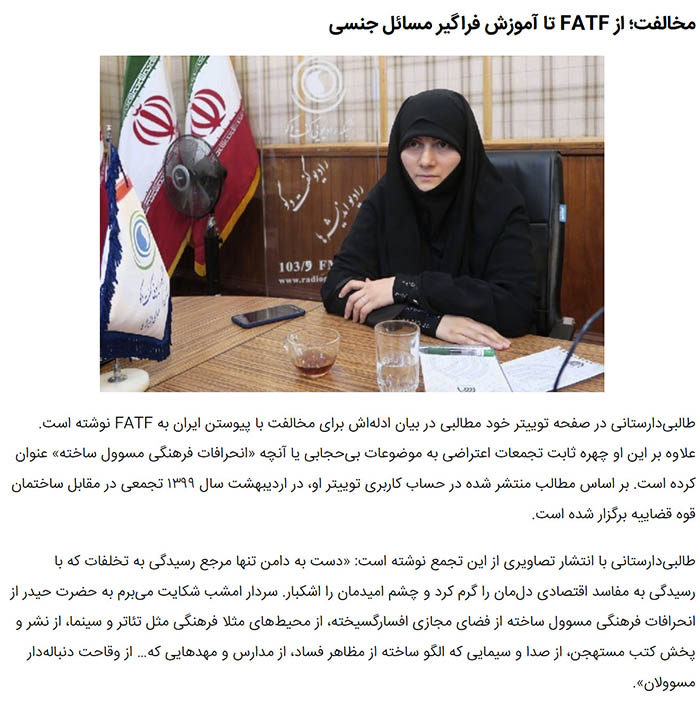
6. Turning a Symbol of Faith into a Tool of Compulsion
One of the most profound criticisms of Darestani’s “Hijab Addiction Clinic” is how it transforms the hijab from a personal, faith-driven choice into a coerced and politicized symbol. Many women choose to wear the hijab as an expression of personal devotion and cultural identity, embracing it voluntarily as a meaningful symbol. However, the notion of “rehabilitating” women who choose otherwise removes this agency, recasting the hijab not as an article of faith but as a mandatory instrument of state control.
When any symbol of personal belief is forced upon individuals, it risks losing its inherent value. Forcing the hijab onto those who do not want it not only violates their rights but also disregards the choice of those who do wear it willingly. This reduction of the hijab to a state-enforced uniform strips it of the personal connection many have with it and replaces that connection with resentment. For the women who see the hijab as a choice, turning it into a compulsory item undermines its beauty and meaning.
Despite the intensifying pressure to conform, many people in Iran and other parts of the world are standing firm in their commitment to personal choice. The widespread criticism of Darestani’s clinic proposal reflects a growing movement that values individual rights and the freedom to define one’s own identity. These voices, which include both men and women across generations, underscore that no amount of state coercion can fully extinguish the desire for autonomy.
The reaction to Darestani’s proposal has sparked discussions, online and offline, about the importance of respecting personal beliefs and choices. Iranian citizens, like many others, are increasingly voicing their disapproval of authoritarian policies that limit their freedom. This backlash highlights the resilience of personal choice and the lengths to which people will go to protect their autonomy, even when faced with restrictive policies. As global awareness and interconnectedness continue to grow, so too does the collective understanding that personal freedom is a fundamental human right, not a privilege to be selectively granted or taken away.
More stories
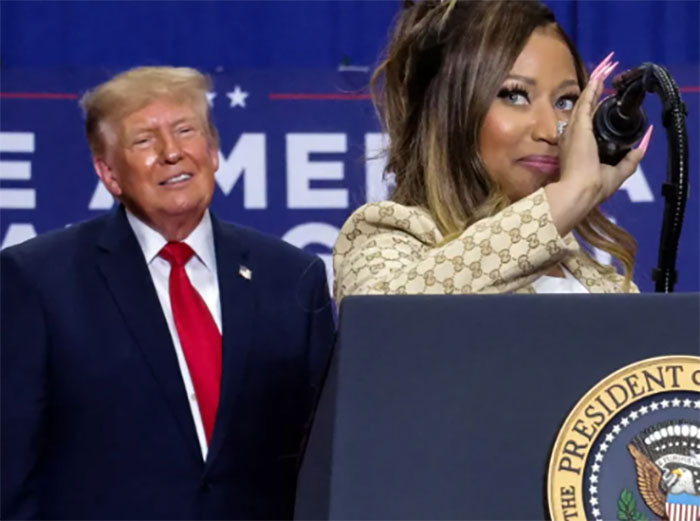
Nicki Minaj: Childhood, Real Name, Age, Family, Husband, Songs, Albums and Rise to Global Fame
Introduction Nicki Minaj biography: Nicki Minaj is one of the most recognizable female rappers in the world, celebrated for her … Continue reading ➝
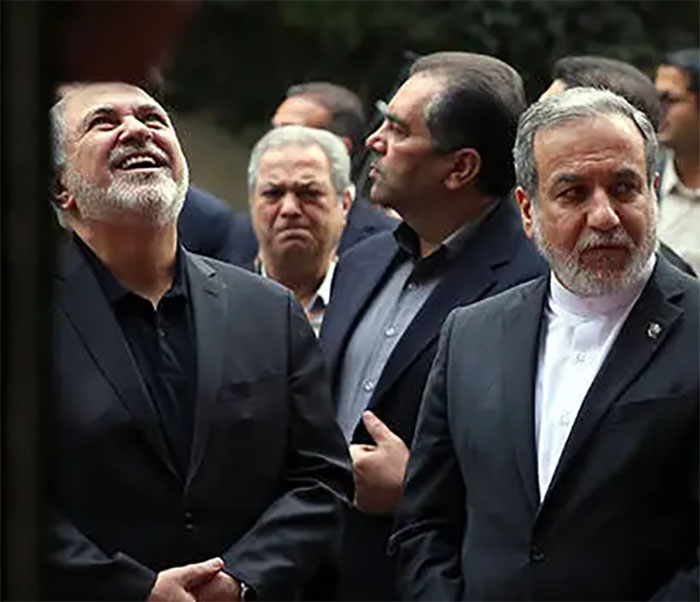
Mohammad Javad Zarif and Abbas Araghchi Attend Ceremony Honoring Kamal Kharrazi in Tehran
Introduction A commemorative ceremony honoring Seyyed Kamal Kharrazi was held in Tehran, bringing together several prominent figures associated with Iran’s … Continue reading ➝
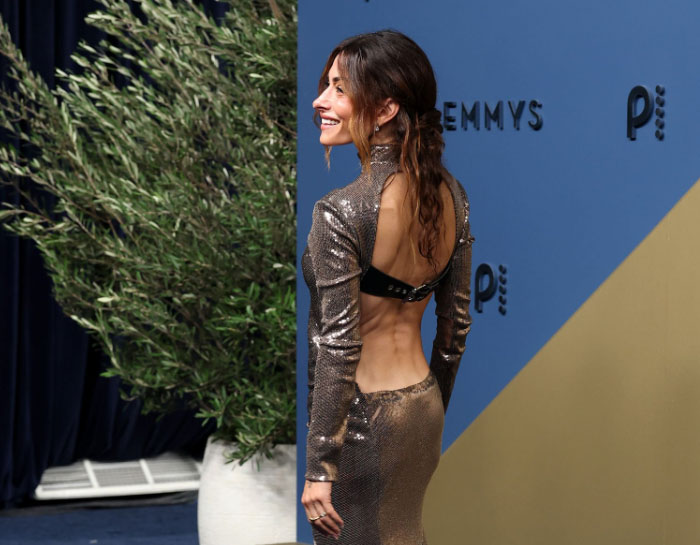
Sarah Shahi at the 2026 Emmy Awards: Red Carpet Appearance, Fashion Details and Shoe Close-Up
Introduction Sarah Shahi was among the celebrities photographed at the 78th Primetime Emmy Awards on September 14, 2026, in Los … Continue reading ➝
Sheida Yousefi: TV Shows, Noon Kh, Savushun and Personal Life
Introduction Sheida Yousefi is an Iranian actress known for her performances in television dramas, Iranian cinema and home video network … Continue reading ➝
Amir Taghi Brings Heritage and Asiatic Cheetah Inspiration to Vogue’s 2026 Sustainable Fashion Challenge
a Introduction Iranian-American fashion designer Amir Taghi has brought Iranian cultural heritage into the international fashion conversation through a striking … Continue reading ➝