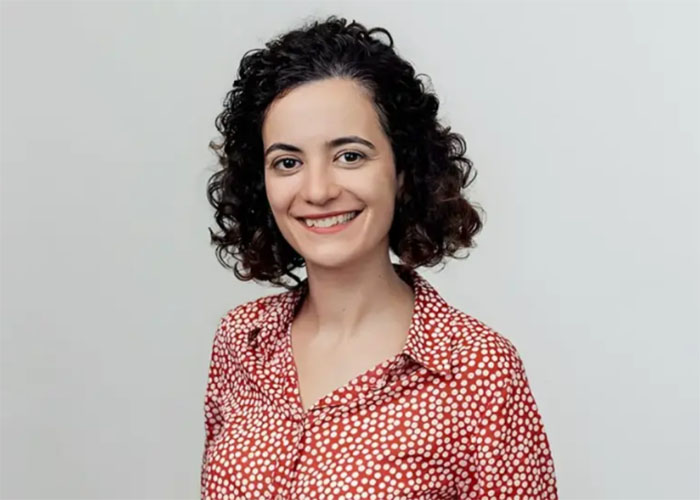
Marta Shahbazi Alonso: Cambridge Scientist Dies at 41 in Tragic Spanish Train Accident
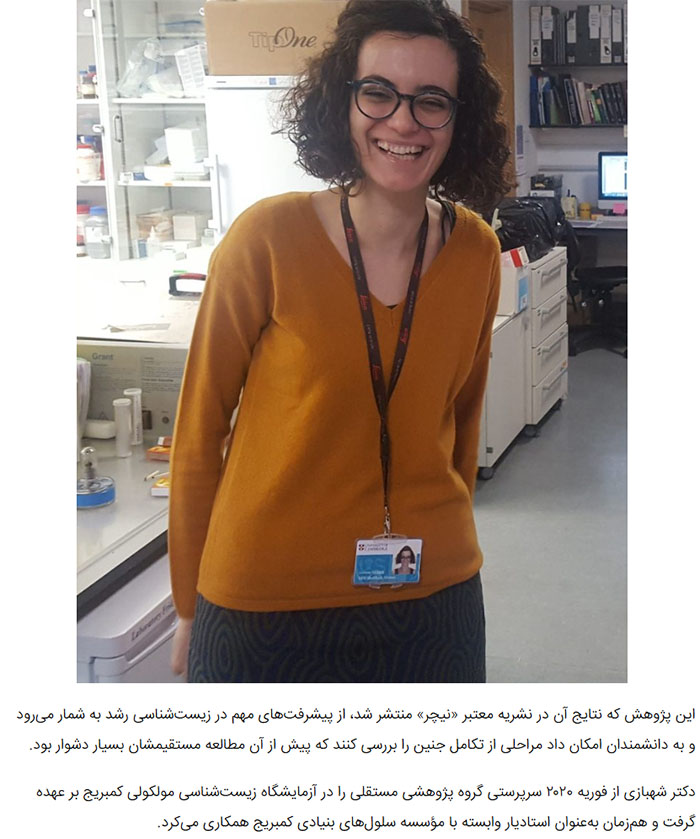
PhD at the Spanish National Cancer Research Centre
Following her initial university education, Shahbazi joined the Spanish National Cancer Research Centre (CNIO) to pursue doctoral research.
She worked in the research group led by Mirna Pérez-Moreno.
During her PhD, she investigated the biological mechanisms responsible for maintaining the identity and behavior of epidermal stem cells.
Her research explored the role of microtubule-binding proteins and their interactions with cellular adhesion structures.
Microtubules are essential components of the cytoskeleton, helping cells maintain their shape, organize their internal structures, and carry out important biological functions.
Cell adhesion mechanisms, meanwhile, influence how cells attach to surrounding structures and communicate with neighboring cells.
Shahbazi’s doctoral work identified a previously unrecognized role for a microtubule-binding protein in maintaining the epidermal stem cell state.
She also described an interaction between microtubules and cell adhesion sites that contributed to understanding how cellular architecture and identity are maintained.
These findings helped establish her expertise in cell biology and prepared her for the next stage of her scientific career.
Her research interests would eventually shift toward one of the most complex and fundamental questions in biology: how a single fertilized egg develops into an organized mammalian embryo.
Marta Shahbazi at the University of Cambridge: Joining the Research Community in 2014
In 2014, Marta Shahbazi moved to the United Kingdom and joined the University of Cambridge as a postdoctoral researcher.
She became part of the research group led by Magdalena Żernicka-Goetz, where she began applying her expertise in epithelial cell biology to the study of early mammalian embryos.
This transition proved decisive for her scientific career.
The earliest stages of embryonic development are among the most challenging biological processes to investigate.
Following fertilization, the embryo undergoes a series of complex cellular transformations. Cells divide, acquire different identities, reorganize their structures, and eventually establish the foundations of the developing organism.
Many of these processes occur inside the mother’s body, making direct observation difficult.
At the time, researchers faced significant technical limitations in studying human embryos after implantation.
Shahbazi became one of the scientists helping overcome these limitations.
Her research contributed to developing laboratory techniques that enabled scientists to investigate human embryonic development at stages that had previously remained largely inaccessible.
This achievement would become one of the most important contributions of her scientific career.
November 4, 2026 | 6:10 pm