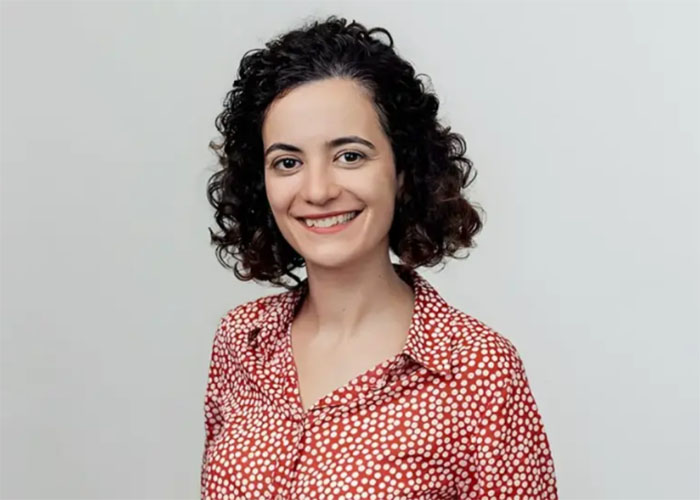
Marta Shahbazi Alonso: Cambridge Scientist Dies at 41 in Tragic Spanish Train Accident
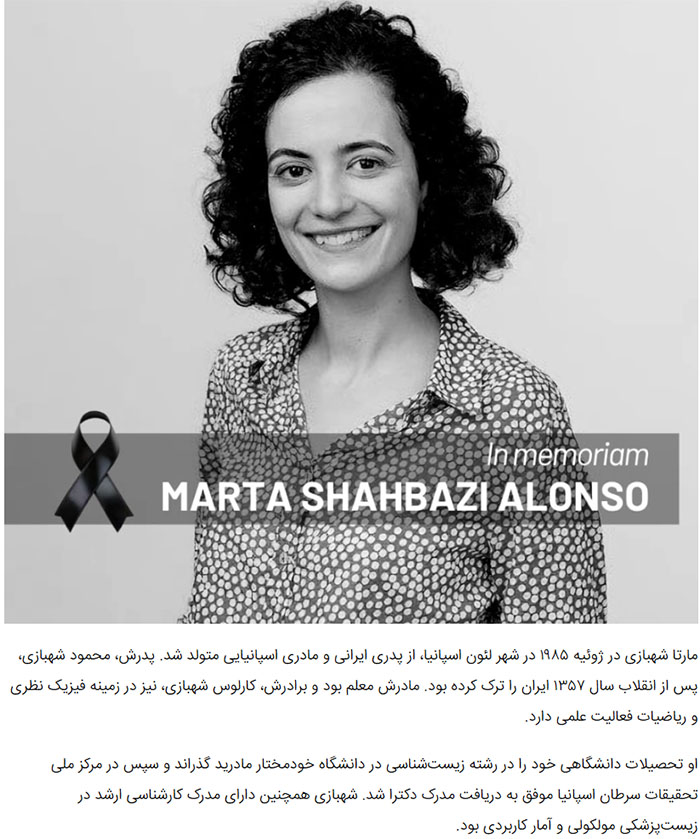
Marta Shahbazi Was Traveling to Receive a Scientific Award
At the time of the accident, Marta Shahbazi Alonso was traveling to attend a meeting of the Spanish Society for Developmental Biology.
The conference was particularly significant for her professional career because she was due to receive the José Luis Gómez-Skarmeta Award.
The award recognized her outstanding contributions to developmental biology and research into the earliest stages of embryonic development.
Her journey was therefore connected to an important professional milestone. After years of research into how human embryos develop, she was traveling to receive recognition from the scientific community in her country of academic origin.
The MRC Laboratory of Molecular Biology confirmed that Shahbazi was among the passengers aboard the train involved in the collision.
In its official tribute, the institution expressed profound sadness over her death and described the loss as a tremendous blow to the research community.
The Cambridge-based institution also extended its condolences to her husband, children, family members, friends, and colleagues.
A Tragedy That Shocked the International Scientific Community
News of Shahbazi Alonso’s death quickly spread throughout scientific institutions in the United Kingdom and Spain.
The University of Cambridge community, the MRC Laboratory of Molecular Biology, the Cambridge Stem Cell Institute, and the Society of Spanish Researchers in the United Kingdom all published tributes recognizing her contributions and expressing their condolences.
Her death also attracted attention from international scientific media.
The journal Nature reported on the deaths of two developmental biologists in the Spanish railway disaster, including Marta Shahbazi Alonso and Tamara González Costa, a 31-year-old researcher associated with the Institute of Molecular Biotechnology in Vienna.
Both scientists had been traveling to attend a developmental biology meeting.
For colleagues who had worked with Shahbazi, the tragedy was particularly difficult because she was not only an accomplished scientist but also a valued member of the international research community.
November 4, 2026 | 6:10 pm