Iran-US-Israel War Daily Life 2026: Tensions in Tehran, Strait of Hormuz Crisis, and the Reality of Life Under Geopolitical Pressure
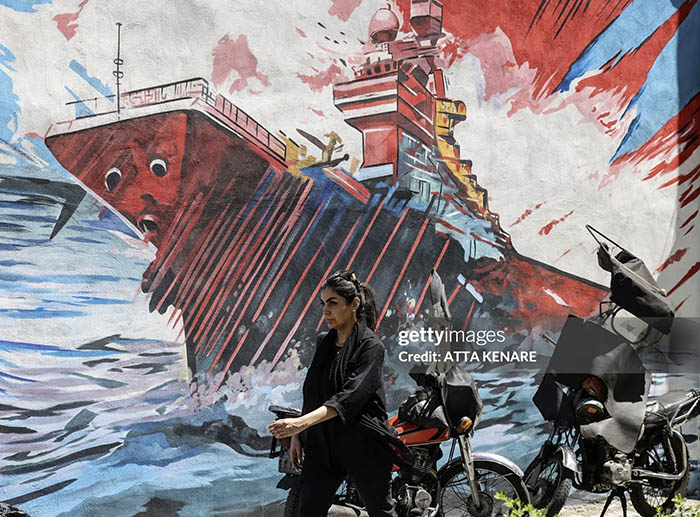
Tehran in 2026: A City Surrounded by Political Messaging
Walking through Tehran in 2026 means witnessing politics integrated into daily life. Massive murals, revolutionary slogans, anti-US graphics, and anti-Israel imagery dominate walls, bridges, public squares, and government-controlled advertising spaces. The capital city remains a symbolic battleground for ideology, nationalism, and geopolitical resistance.
The anti-US and anti-Israel murals seen in Tehran are not new. Since the 1979 Iranian Revolution, the Iranian government has used public art and visual propaganda to communicate opposition toward the United States and Israel. However, the intensity and frequency of these messages tend to increase during periods of regional crisis or military escalation.
In May 2026, Tehran residents walked past giant murals depicting slogans against American influence, references to Israeli military operations, and symbolic warnings about the Strait of Hormuz. One billboard reportedly referenced former US President Donald Trump while connecting American pressure to maritime security in the Gulf.
For many Iranians, these murals have become part of the urban landscape. Younger generations often see them as background imagery, while older citizens remember the decades-long political conflict that shaped modern Iran.
At the same time, these murals also serve international purposes. They are designed to communicate strength, resistance, and political messaging to foreign audiences. Images distributed globally by international media agencies help amplify Iran’s strategic messaging during moments of tension.
May 10, 2026 | 8:13 pm